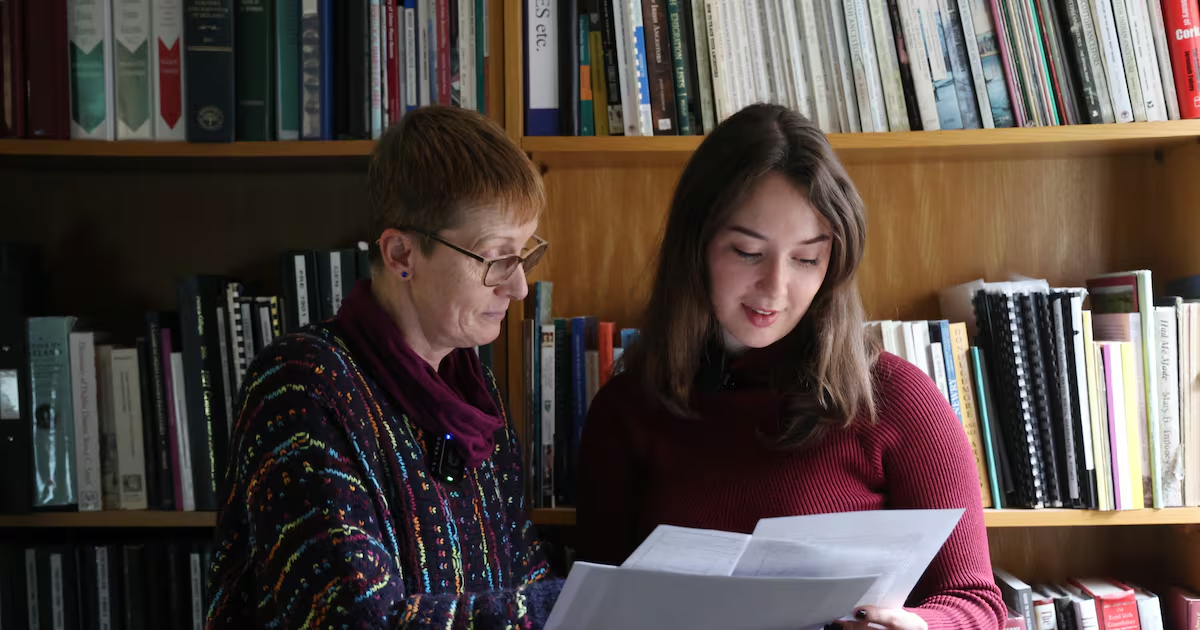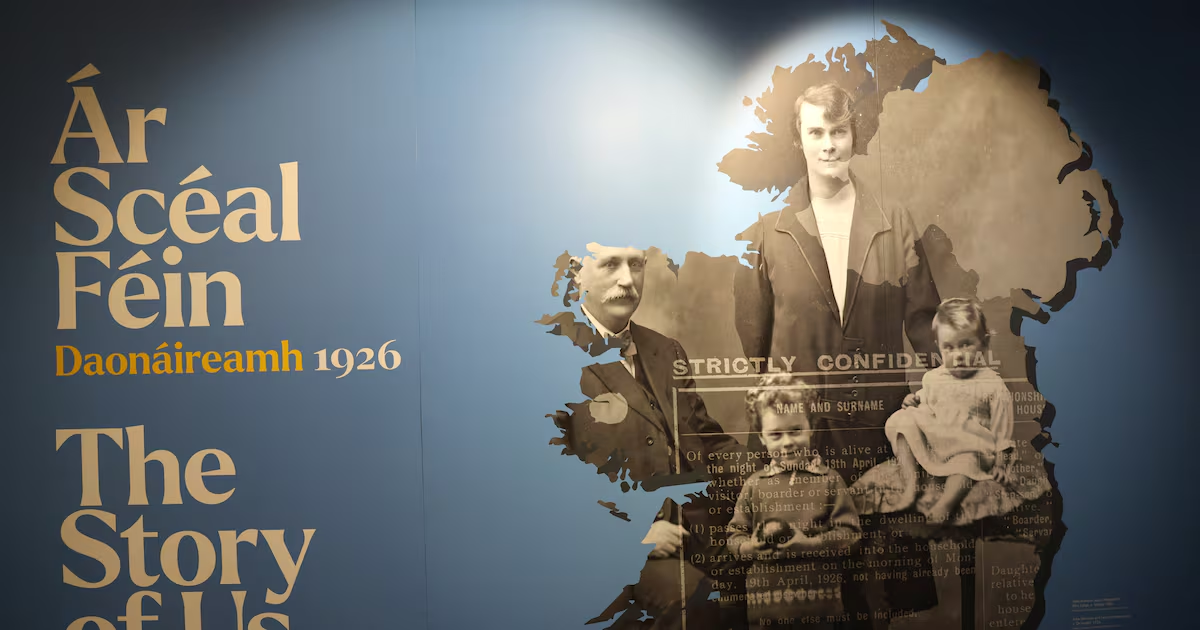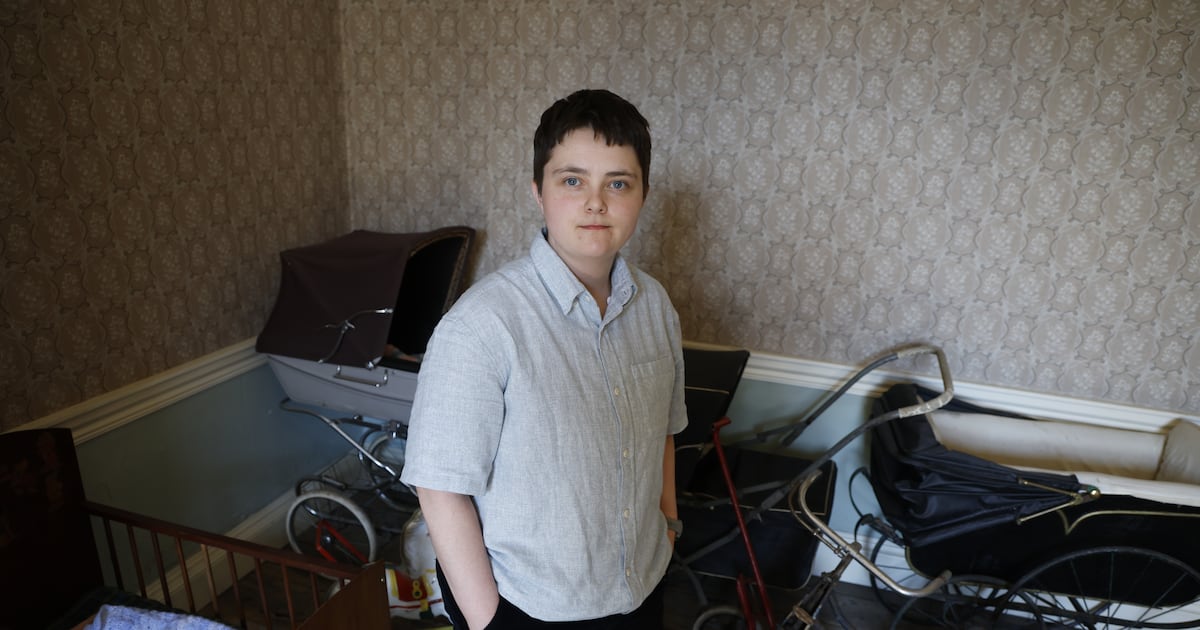
In 1926, the largest cohort of Ireland’s population (29.2 per cent) was aged under 14 years. Dublin City Council’s historian in residence for children, Lorcan McEvoy, has already spent hours searching through the recently released census returns from that year, giving special attention to this sizeable but often unheard group.
“There are even some cases of children filling out the form,” he says. “Primary teachers were instructed to talk to children about the census, talk to them about how to fill it in so they would be aware as well.”
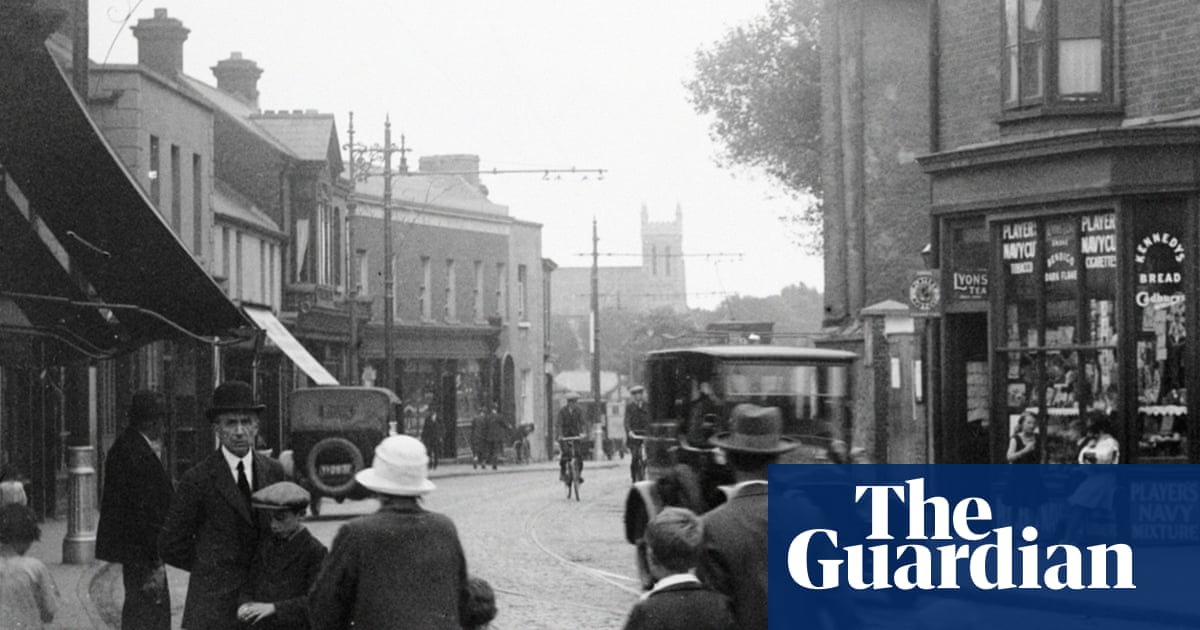
For historians like McEvoy, the census opens a window into how, where and who children lived with 100 years ago, illuminating our understanding of education, work and social class at a time of great transition for Irish society.
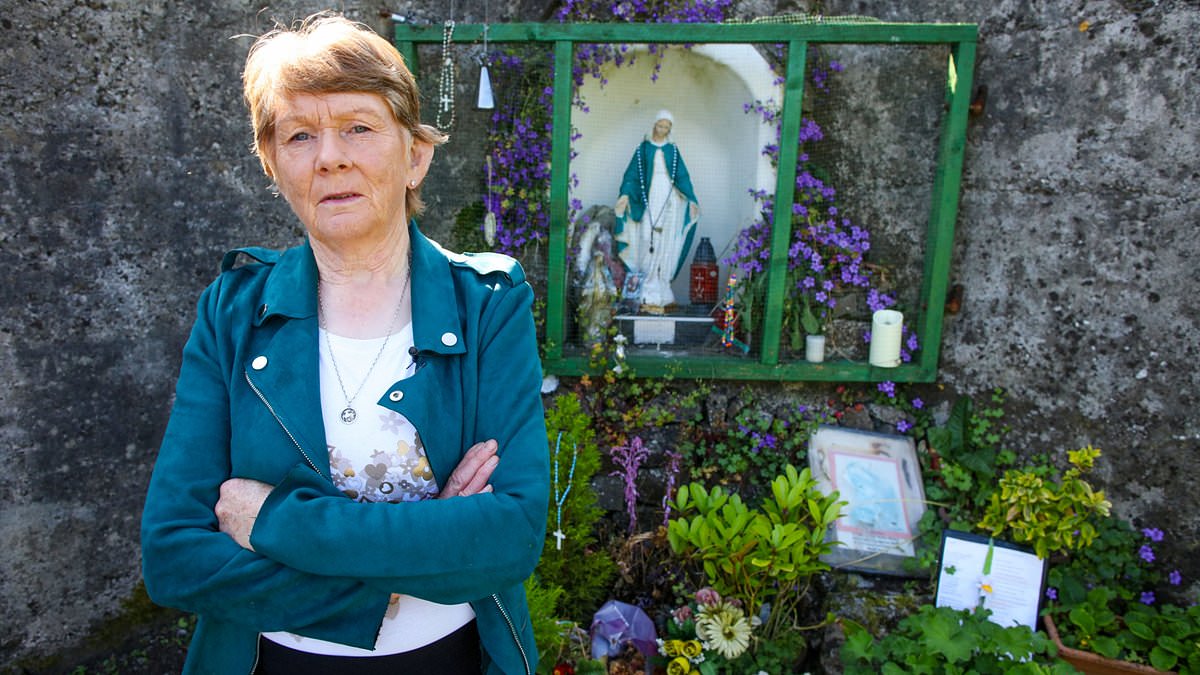
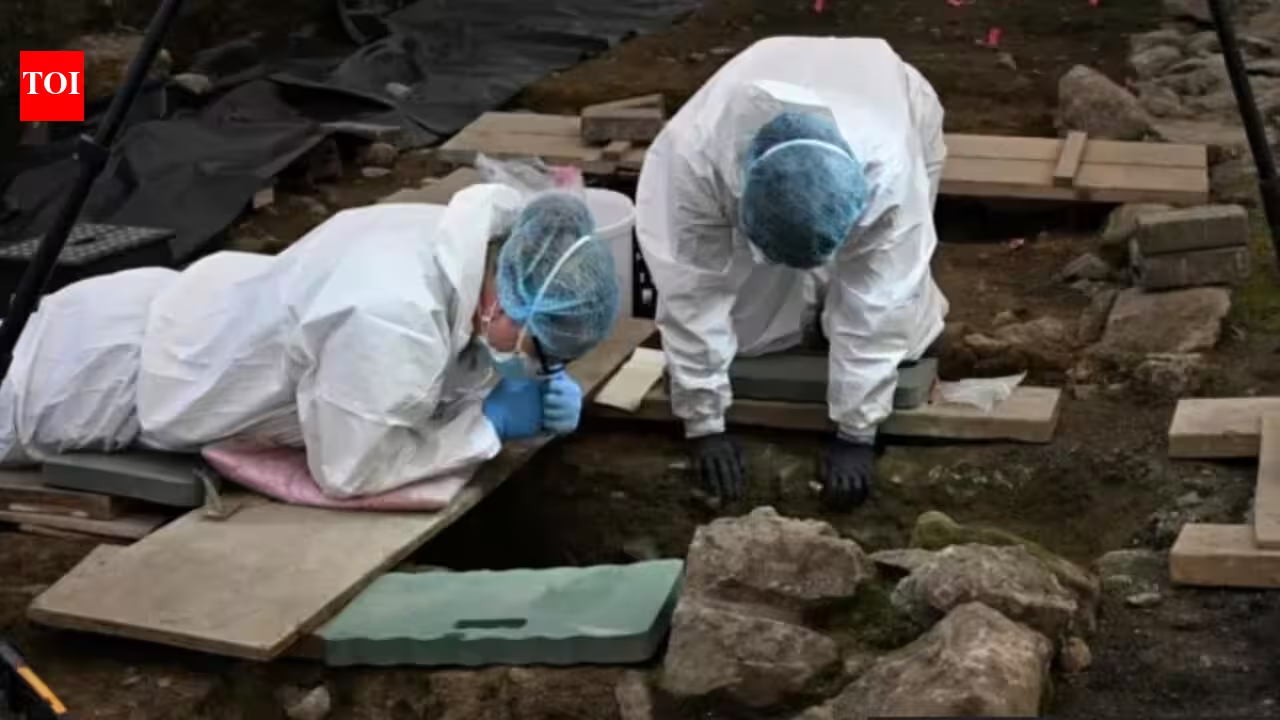
Importantly, it also underscores the intervention of [the Catholic] church and State in family life in 20th century Ireland. “The mother and baby homes are filled out like a household. There’s something very strange about that,” says McEvoy, pulling up returns for then newly established Tuam Children’s Home as it is described in the forms.
“I felt like there was something almost jarring there.”