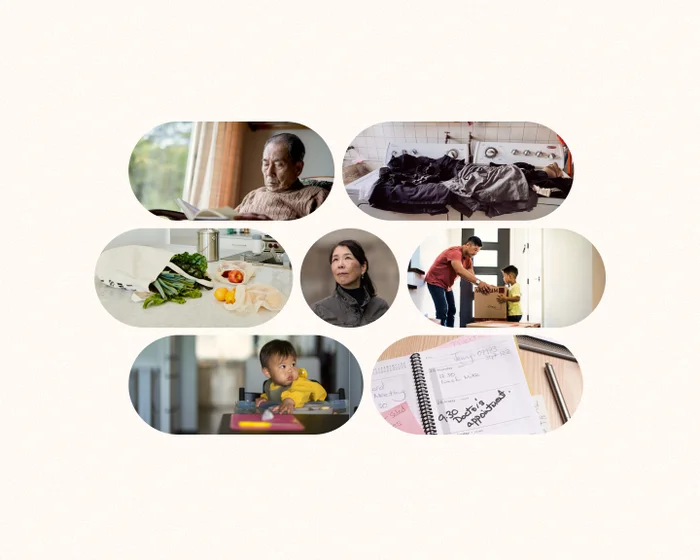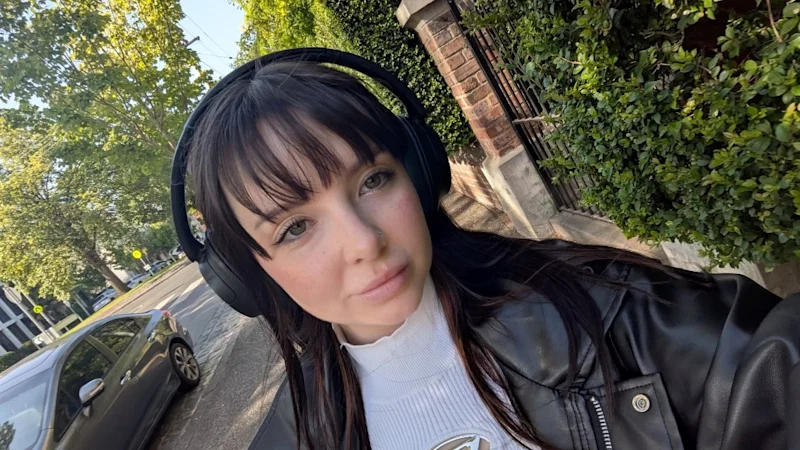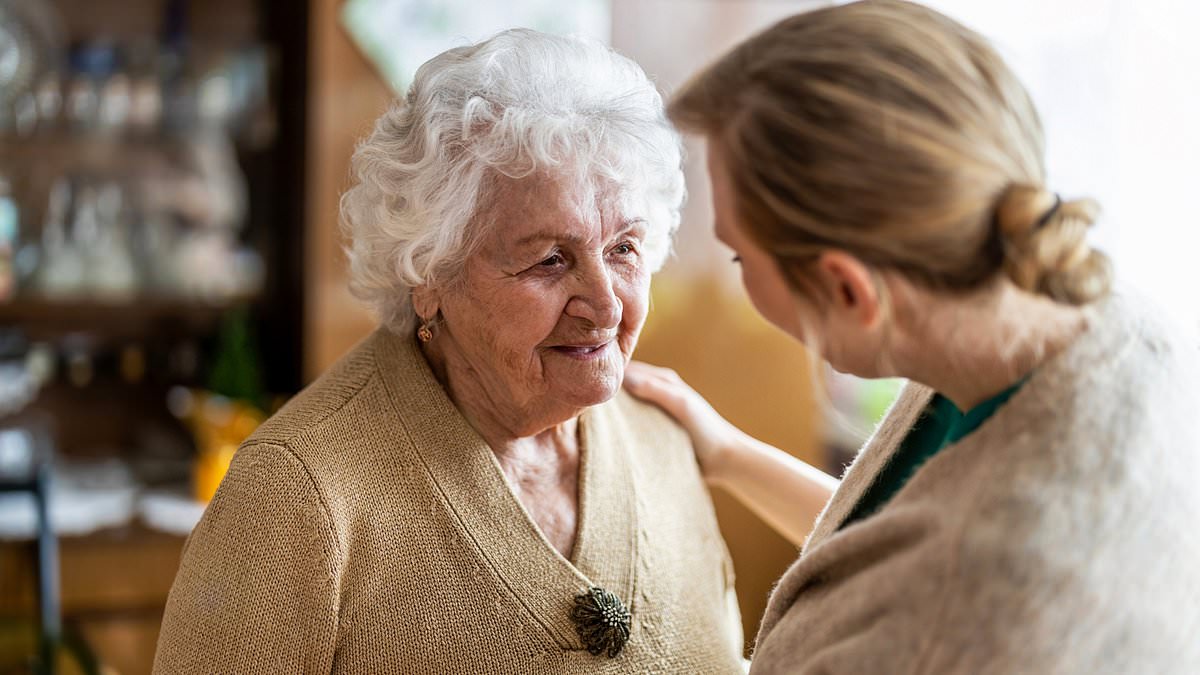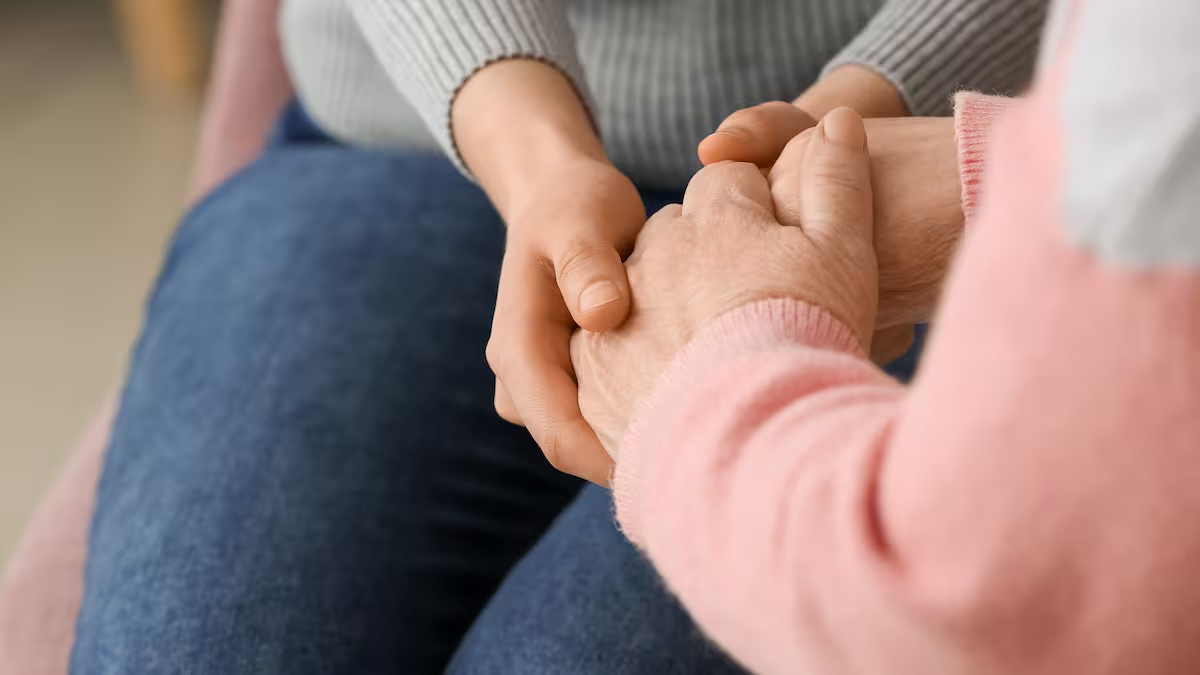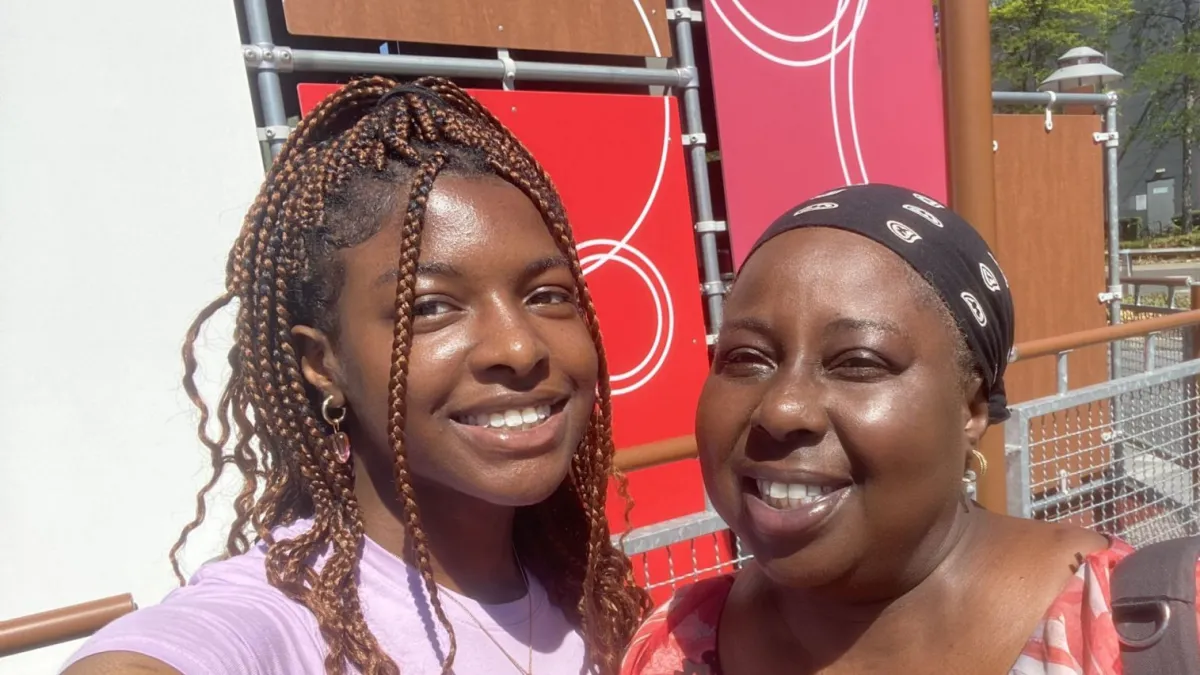
I didn’t grow up thinking of myself as a carer. I grew into the role without realising it. For much of my school and working life, I have helped care for my mum, who has arthritis. In the years between the pandemic and now, I’ve watched her health decline rapidly. The tasks I do daily without thinking – climbing the stairs, stepping into the bath, walking five minutes down the road – would cause her agony. Her mobility is limited, so she uses a cane, and often relies on taxis because public transport is inaccessible for her.
It was only in sixth-form that my school recognised me as a young carer. After explaining my home life to a student advisor at 16, I finally qualified for financial support. With the help of my older sister, caring for my mum never felt like a job, so taking on the label felt strange. But as my mum has got older, I’ve become increasingly worried about her health. I pester her about medications, encourage her to eat foods that might help, and fall down rabbit holes researching supplements and herbal teas that promise to make arthritis disappear overnight.
Yet, focusing only on the physical side of caring ignores what it means to balance those responsibilities alongside work. At 20, the pressure of starting my first office job while managing mounting responsibilities at home felt immense. I hadn’t anticipated the heavy emotional strain of constantly ensuring her comfort and reducing her physical pain. When I’m at work, part of my mind is always at home. Will she manage the stairs? Has she eaten? Is the pain worse today? It feels like doing two jobs at once, the paid one on my contract, and the unpaid one that starts the moment I walk through the door.