adsIntroduction
On the heels of another Nigerian election, I recently watched an episode of The Leading Woman Show on the season The Nigeria We Want, and a point made by Adebola Williams stayed with me. He argued that women should not wait to see what is set aside for them or what handouts are offered. Instead, women should convert their numerical strength and voting power into negotiating power.
The point struck me because it reframed an assumption that often sits at the center of conversations about women and politics. We tend to discuss women as though they exist at the margins of political life, waiting to be included. But that framing misses something important.
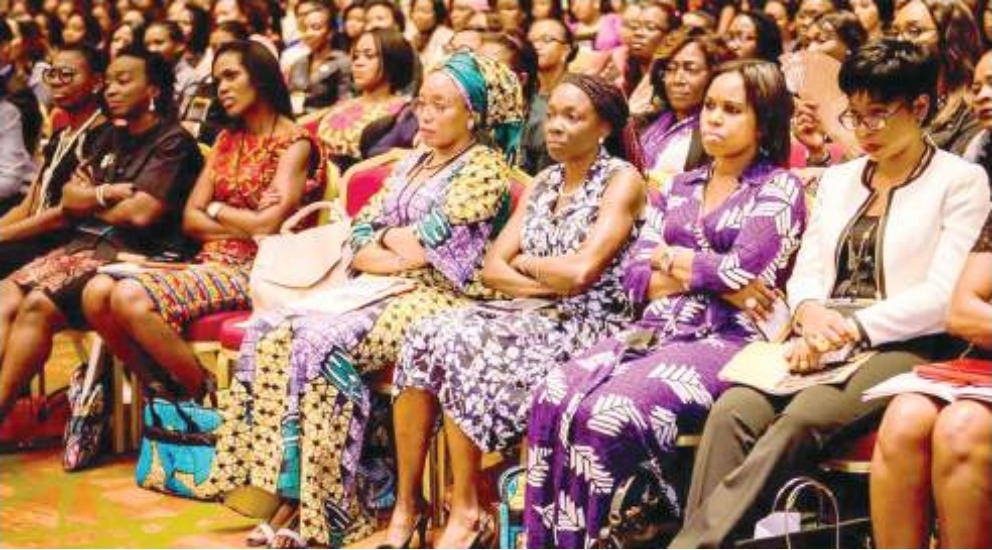
Nigerian women are deeply embedded in the political system. They mobilise communities, organize campaign activities, activate religious and market networks, sustain grassroots engagement, and consolidate votes. They are often the machinery behind political participation itself. Yet a question remains: if women contribute so significantly to building political outcomes, why does that participation so rarely translate into political power?
Perhaps the question is not why women are absent from politics. Perhaps the more important question is why political systems repeatedly convert women’s labour into electoral value without converting that value into decision-making power.adsads