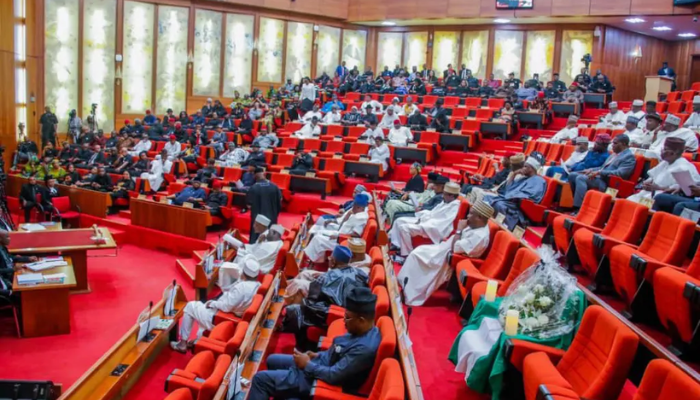
The theatre of Nigerian politics never truly closes. The actors only change costumes, switch stages, and rehearse old scripts beneath new slogans. Last week, my searchlight rested on the Senate. This week, it drifted toward the state Houses of Assembly, those often-neglected chambers where democracy quietly either breathes or suffocates.
The media space has recently been animated by the unfolding political drama in Surulere involving former Speaker of the House of Representatives and current Chief of Staff to the President, Femi Gbajabiamila, and actor-turned-politician Desmond Elliot. Elliot appears determined to return to the Lagos State House of Assembly once again, almost as though public office was becoming permanent residency. The Yoruba would ask, “Ṣé wọn rí ibi ẹ̀ mọ ibẹ̀ ni?” Must power become a lifelong destination? That question sits dangerously at the centre of Nigeria’s democratic anxieties.
For too many politicians, politics is no longer public service. It has become survival. A frightening number enter the office and gradually abandon every previous identity, profession, or vocation. Careers disappear into the appetite for political continuity. Elections cease to be contests of ideas and increasingly resemble struggles for personal preservation.