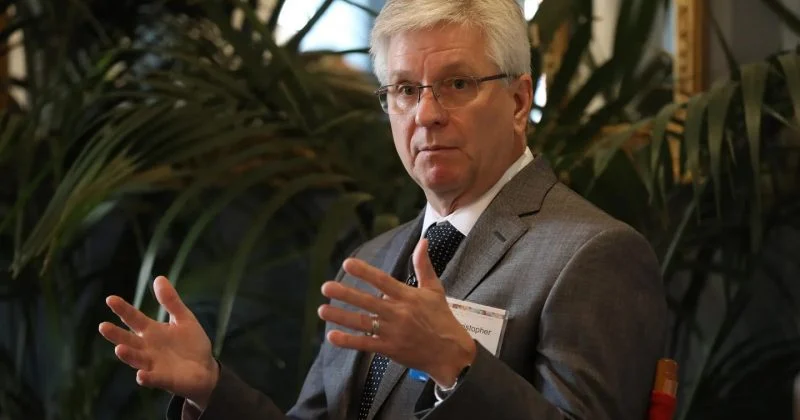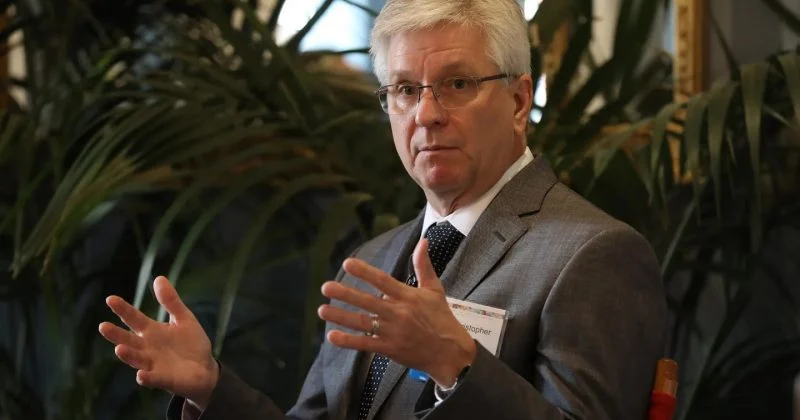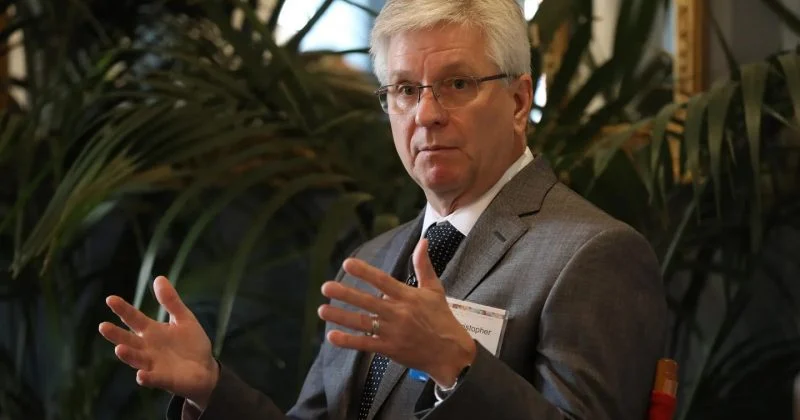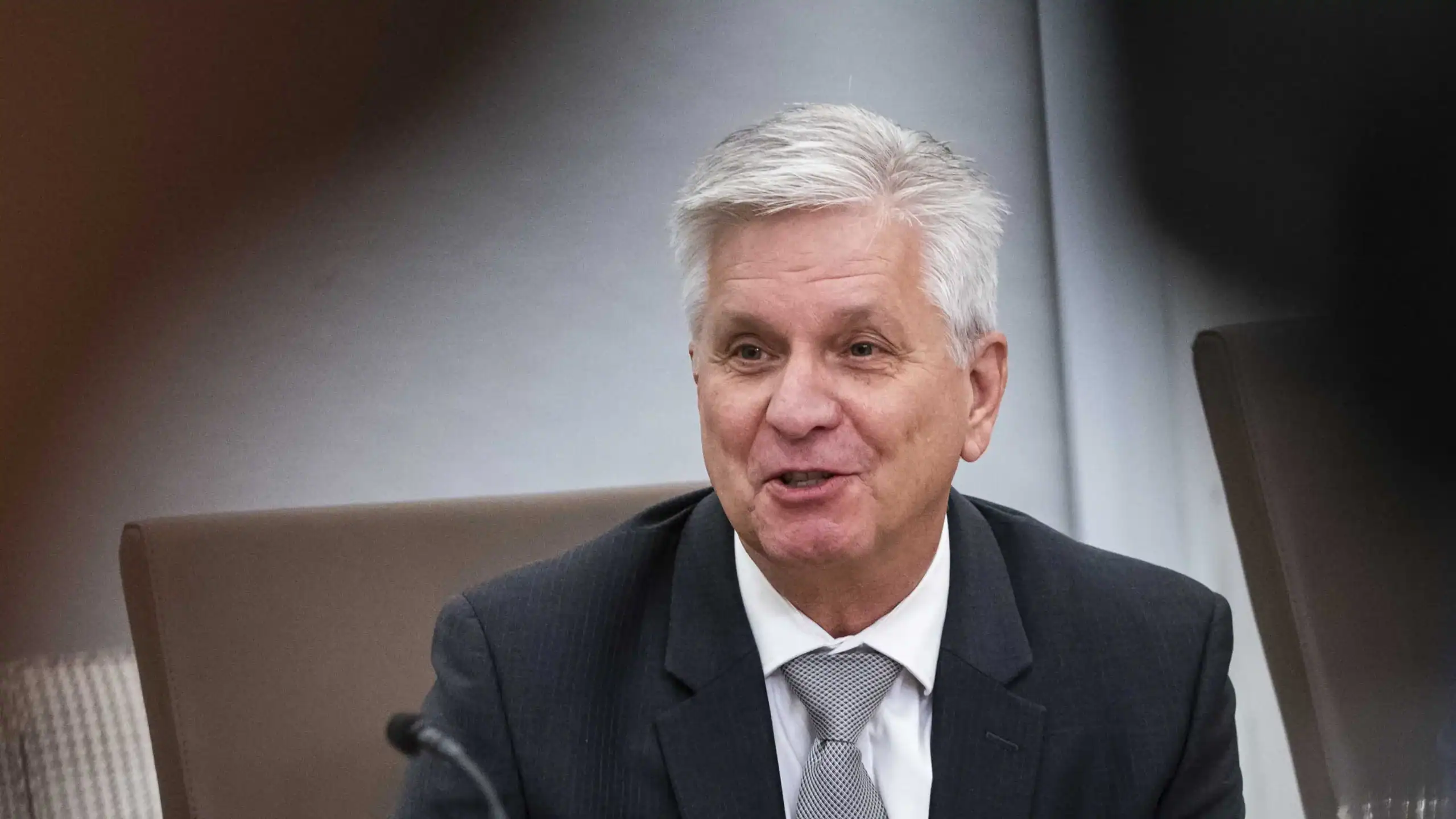
Federal Reserve Governor Christopher Waller just threw cold water on anyone hoping for rate cuts anytime soon. In a speech on April 17, Waller pointed to surging energy prices driven by the ongoing Iranian conflict and warned that persistent inflation risks could force the Fed to hold its policy rate steady, even as the labor market shows signs of cooling.
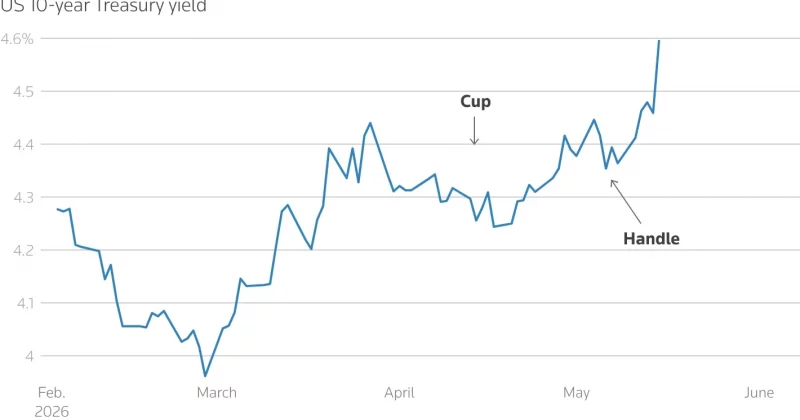
The bond market’s response was swift and telling. The Treasury yield curve flattened, with short-term yields climbing while long-term yields fell.
What Waller actually said, and why it matters
Waller specifically flagged Middle East energy disruptions as a source of inflationary pressure that the Fed cannot ignore. Brent crude oil prices have surged to roughly $95 per barrel from around $61 earlier, a jump of more than 50%.
Waller noted that underlying inflation, excluding tariffs, remains stable near the Fed’s 2% target. But he made clear that if energy-driven price pressures persist, maintaining the current policy rate takes priority over addressing labor market softness.