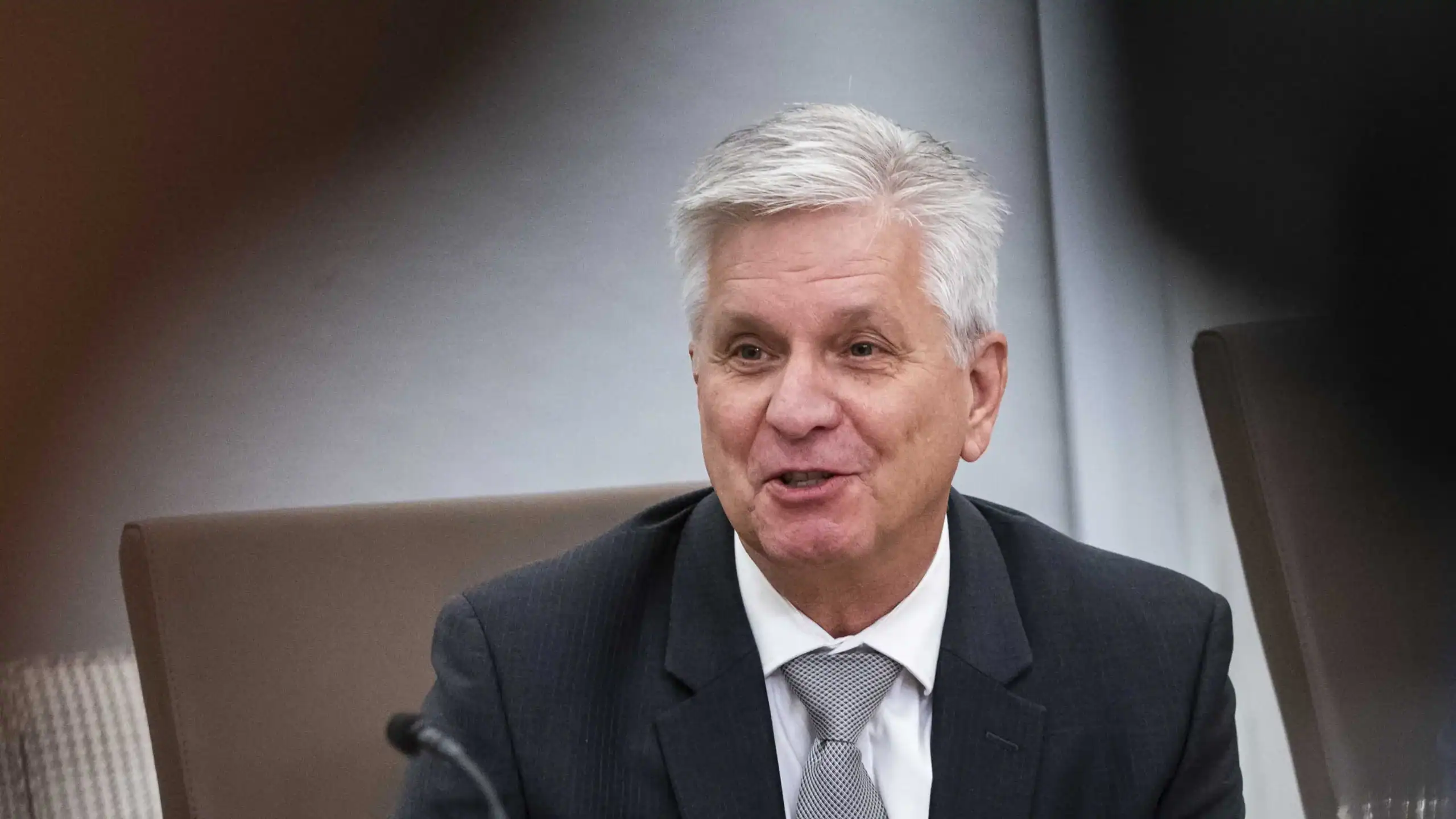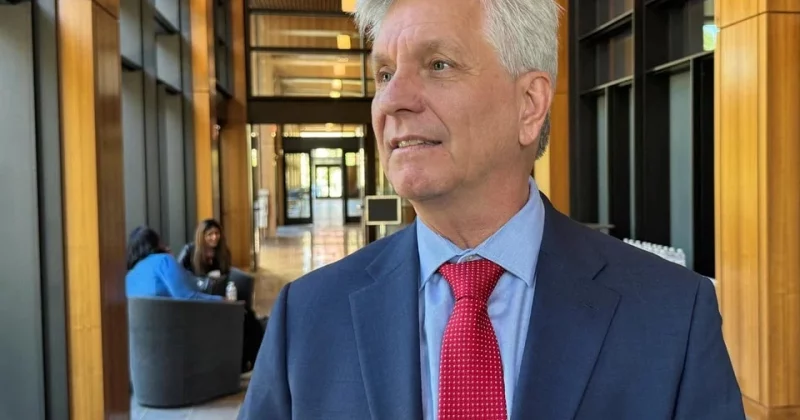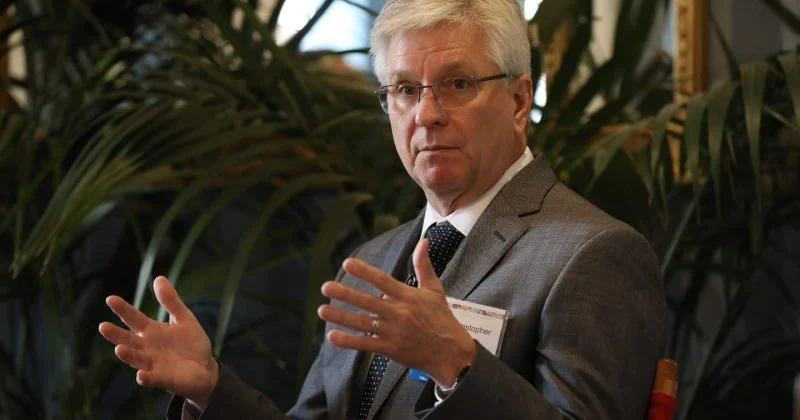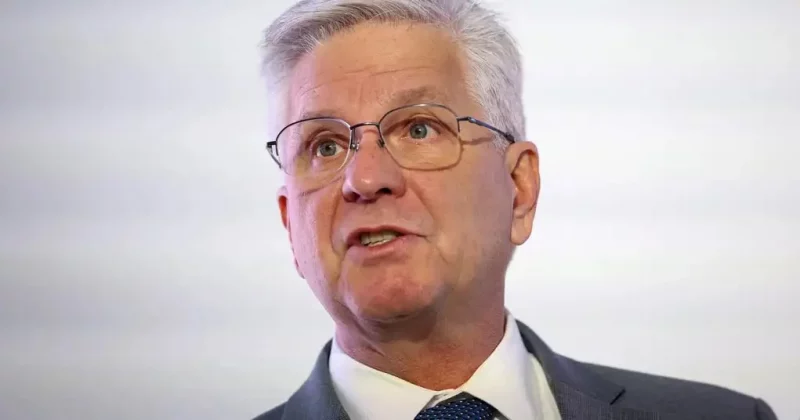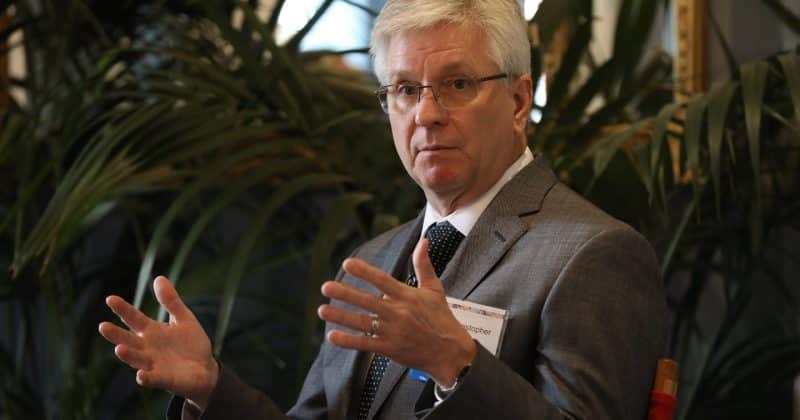
Christopher Waller used to be one of the Federal Reserve’s most reliable doves. The guy who spent months arguing that a softening labor market justified rate cuts has done something notable: he changed his mind.
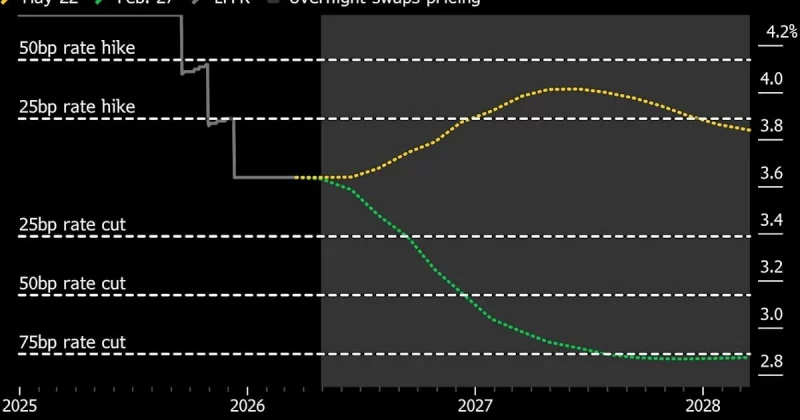
On May 22, Waller signaled support for removing the “easing bias” language from Federal Open Market Committee statements, a move that would effectively tell markets the Fed is no longer leaning toward cuts. With the PCE index, the Fed’s preferred inflation gauge, hitting 3.8% in April, the shift isn’t exactly surprising. But it stung anyway. Bitcoin briefly dropped below $77,000 in the aftermath.
What Waller actually said, and what it means
When the committee includes an “easing bias” in its statements, it’s essentially telegraphing that rate cuts are more likely than hikes. Removing that language doesn’t mean hikes are coming tomorrow. It means the Fed wants to be seen as genuinely neutral, equally open to moving in either direction.
Waller was careful to clarify that he’s not pushing for an immediate rate increase. The federal funds rate currently sits at a target range of 3.5% to 3.75%, and he appears content to leave it there for now. But he wants the Fed’s posture to reflect reality, and reality right now is that inflation at 3.8% is nearly double the Fed’s 2% target.