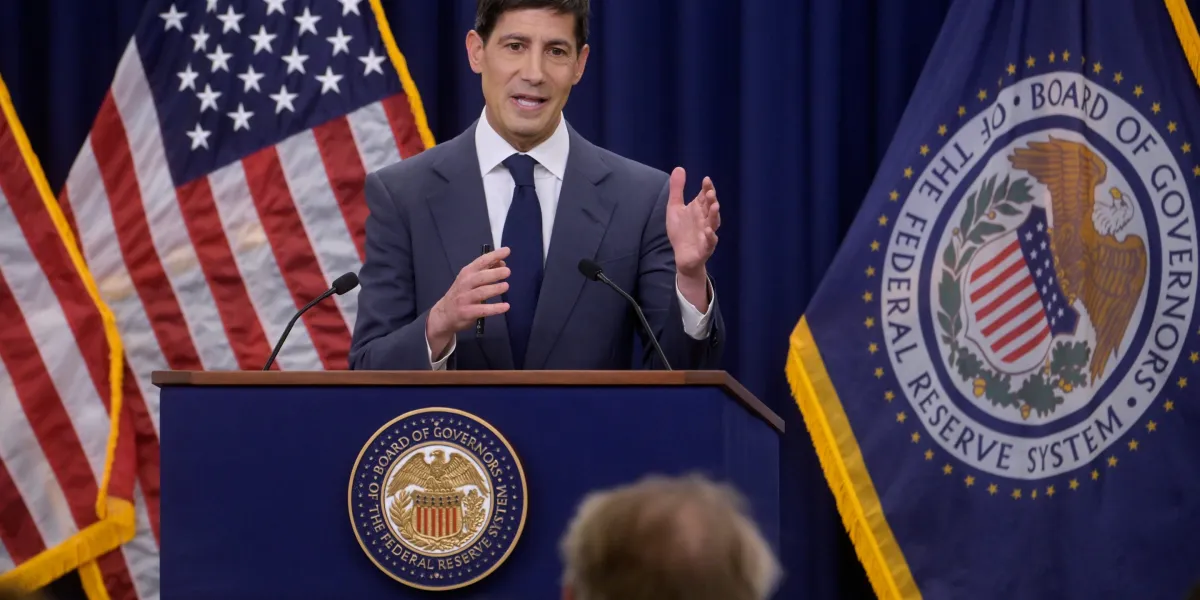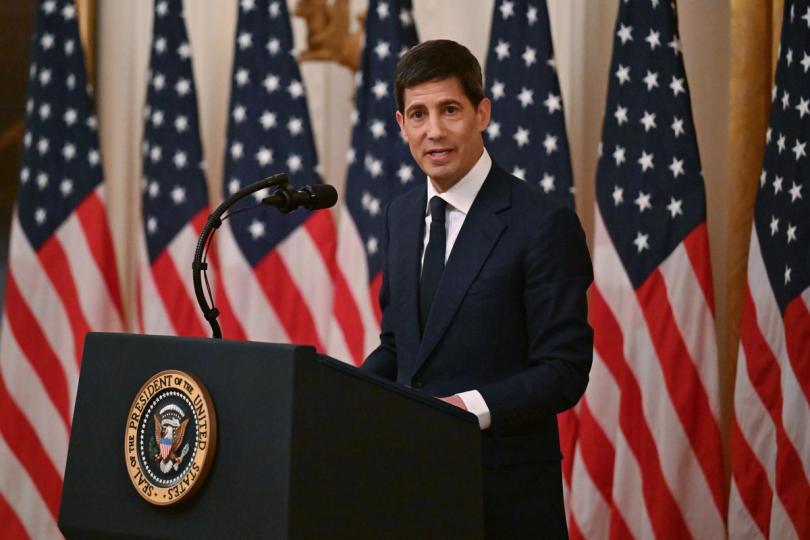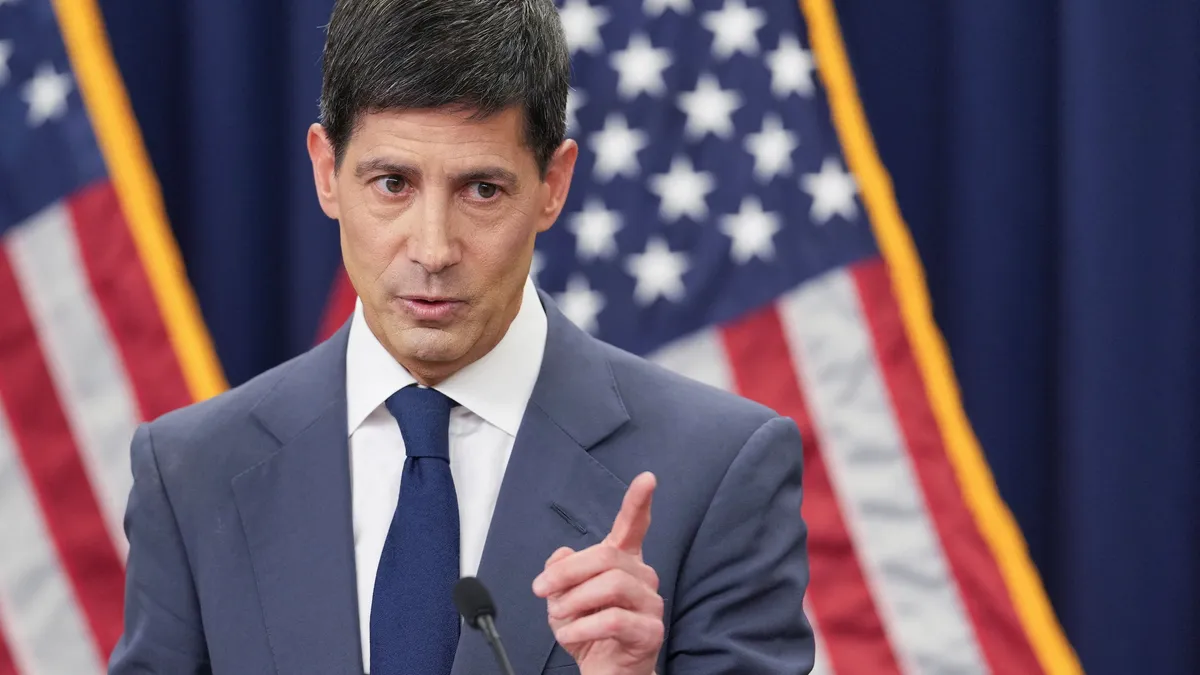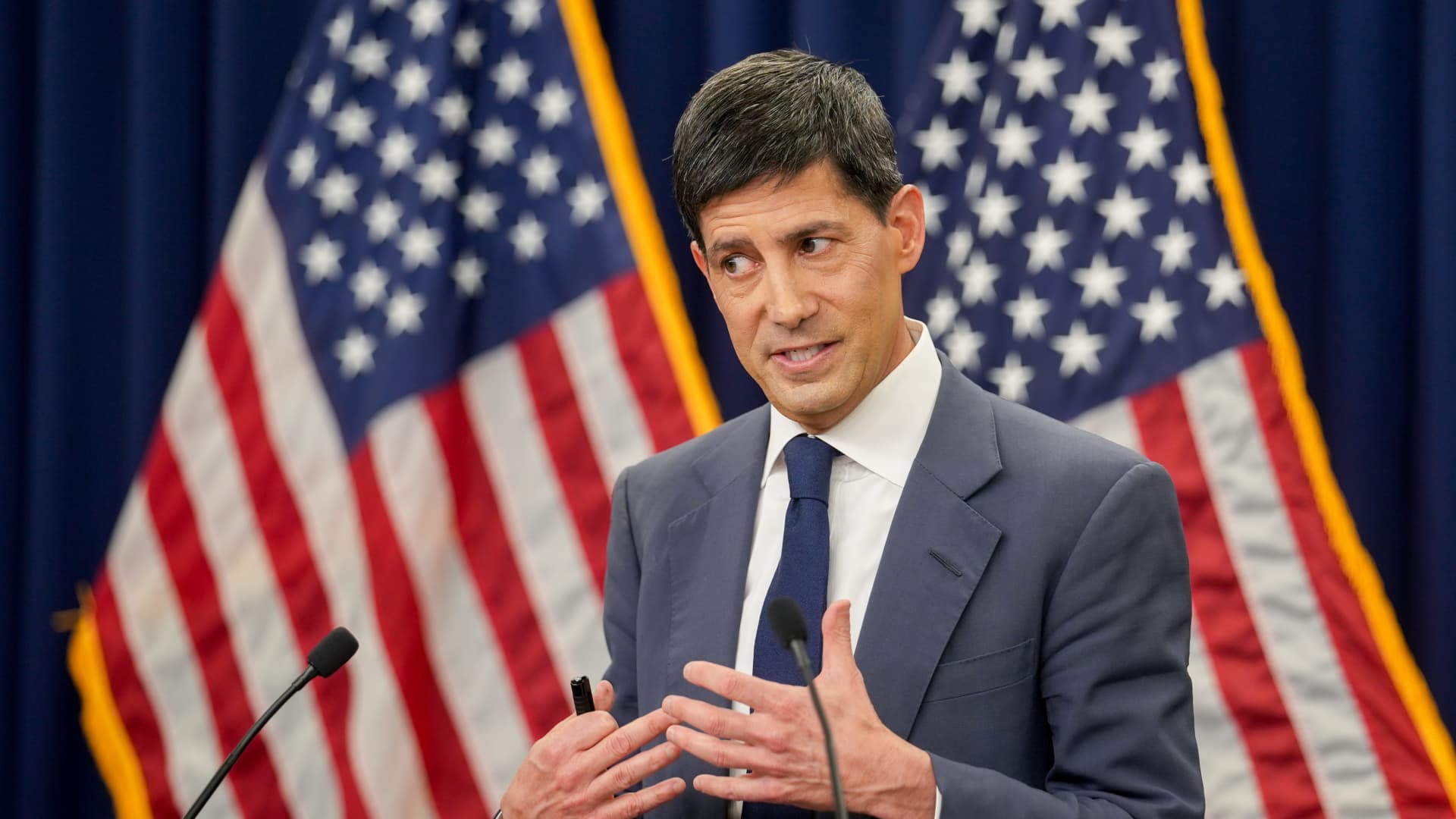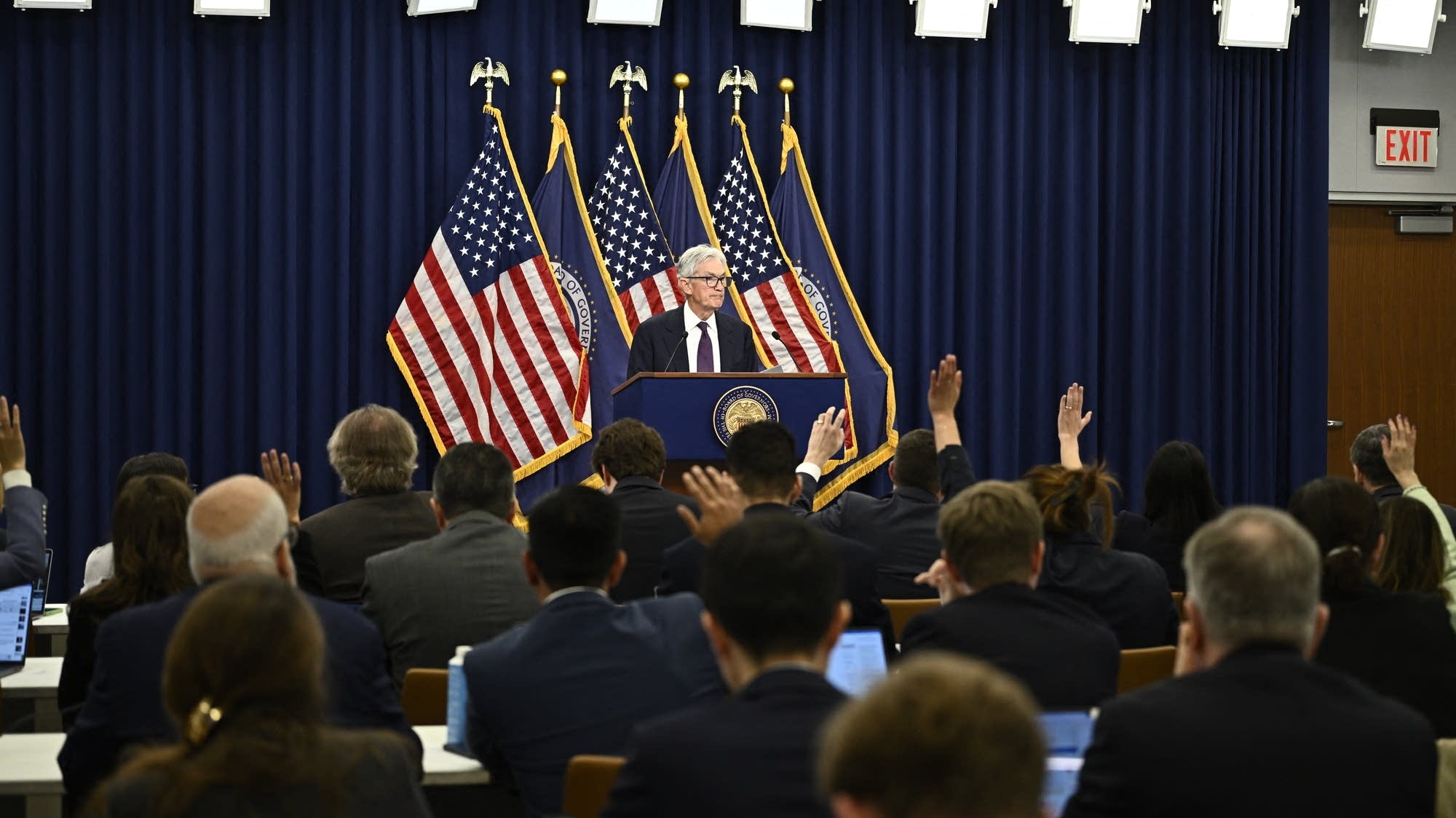
Several leaders of the Federal Reserve gave public statements on Tuesday: Fed governor Christopher Waller, Philadelphia Fed president Anna Paulson, and Atlanta Fed Interim President Cheryl Venable.We’re going to hear from a couple more Fed officials over the next few days. But soon, that could slow down. Incoming Fed Chair Kevin Warsh is likely to make some changes to the central bank’s communication style. He's suggested that he might stop holding press conferences after every rate-setting meeting.Warsh has criticized the Fed’s forward guidance on where leadership thinks rates are headed, and he’s suggested that central bank officials might be giving too many speeches — like the ones this week.Keeping track of Fed speeches is a big part of Preston Mui’s job, as an economist at Employ America.“I try to keep up with every bit of Fed-speak I can get my hands on. Any speeches, prepared remarks, blog posts, LinkedIn posts, tweets, anything like that,” he said. Mui said he keeps track of all this to help him figure out what the Fed is thinking.“We want to know how they’re thinking about economic developments, how they see the risks, where they see inflation going, where they see the labor market going, and that informs the kind of policy advocacy that we’re going to engage with,” he said.All this Fed-speak can be a lot to keep track of. “Probably on an average week, I’m looking at six or seven members that are speaking,” Mui said.It wasn’t always this way.Central banks used to try not to communicate as much or as clearly with the public, said Carola Binder, an economics professor at the University of Texas at Austin.She said back in the 1970s and ‘80s, the Fed was intentionally opaque, because it thought surprising markets was a good idea.“If you, say, want to boost the economy, you create a bit of unanticipated inflation. And that allows kind of a boost to the real economy in the short-run,” she said.But Binder said that strategy drew a lot of complaints about accountability. So the Fed started to become more transparent.Meanwhile, the Fed, like other central banks, set a specific inflation target and felt the need to explain to people how to get there.“If inflation is not at its target, explaining why not, in a way that reassures people that that’s still the target, and that they’re going to get there soon enough,” she said.There is a point where too many Fed speeches can start to become noise, however, said Courtney Shupert, an economist with the research firm MacroPolicy Perspectives.“If you’re hearing too many conflicting signals, or if you’re not hearing a consistent narrative or framework then it can become confusing,” she said.Shupert said more communication in general is better, especially in times when the economy’s uncertain.“You end up having smooth market functioning and fewer surprises if you’re regularly hearing from officials,” she said. And in today’s economy, we don’t exactly need any more surprises.
Fed leaders give a lot of speeches. The central bank's new chair may change that
The Fed hasn’t always been so transparent about how it makes interest rate decisions.
489 words~2 min read