Columnist
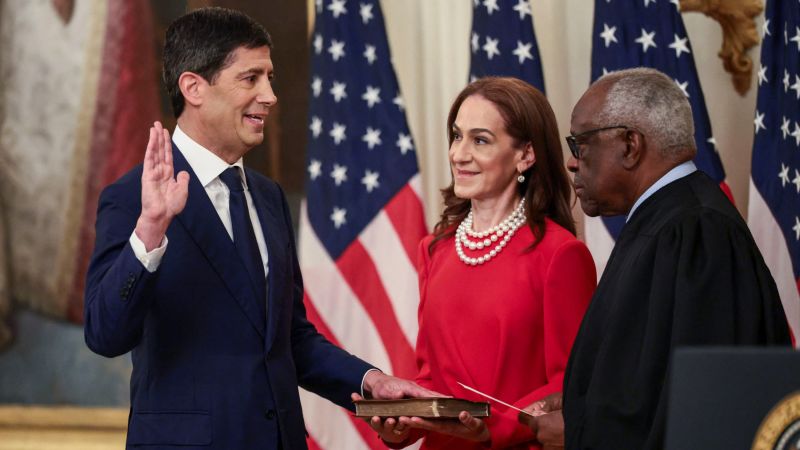
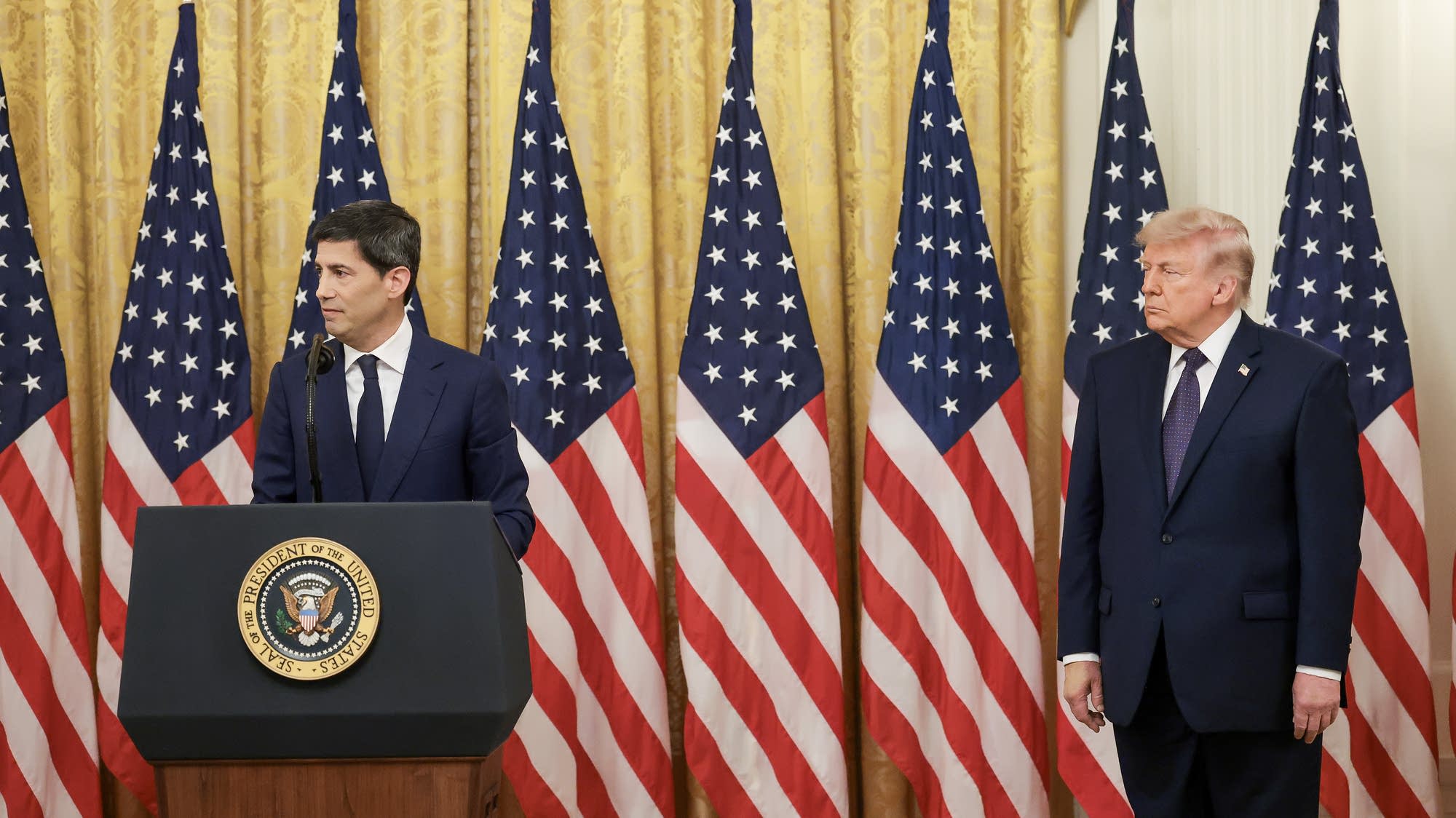
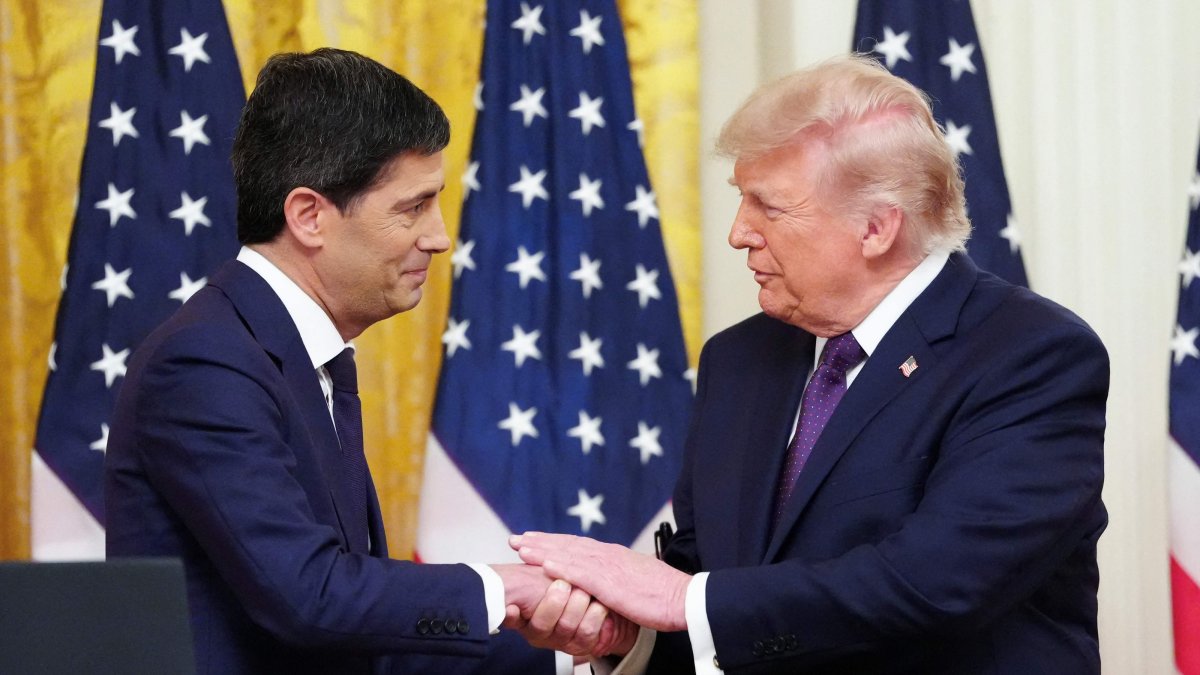
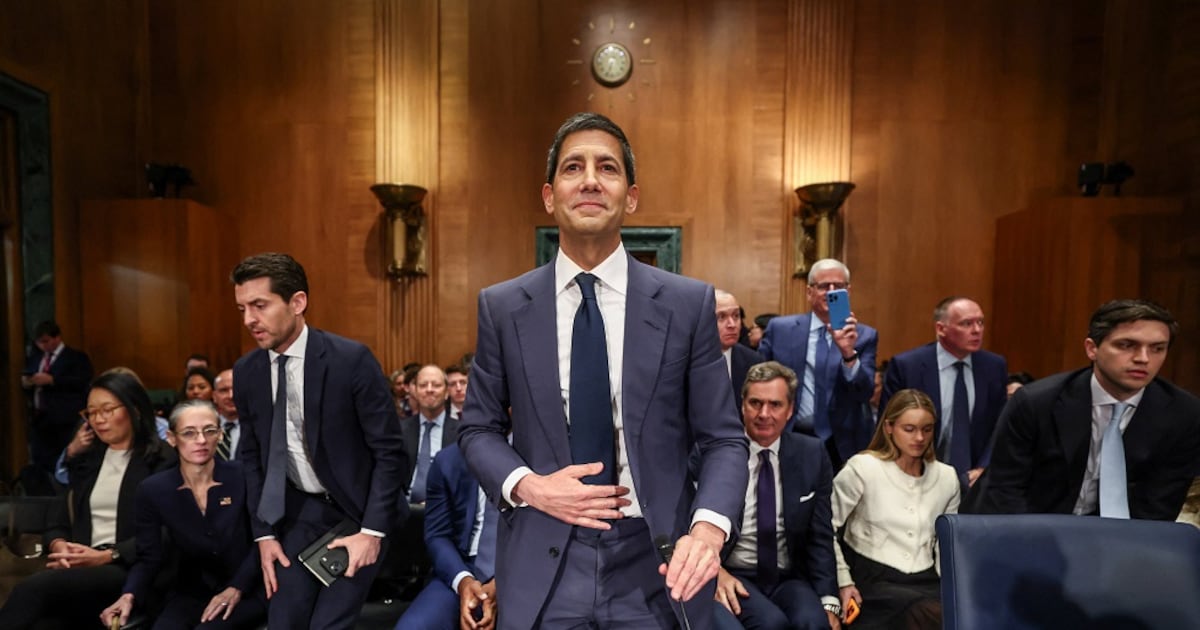
The US Federal Reserve will soon have a new chair of its board of governors, Kevin Warsh. He will have to contend with the outgoing Jerome Powell continuing to participate in the 12 member meetings of the Federal open market committee (FOMC), which sets short-term interest rates.
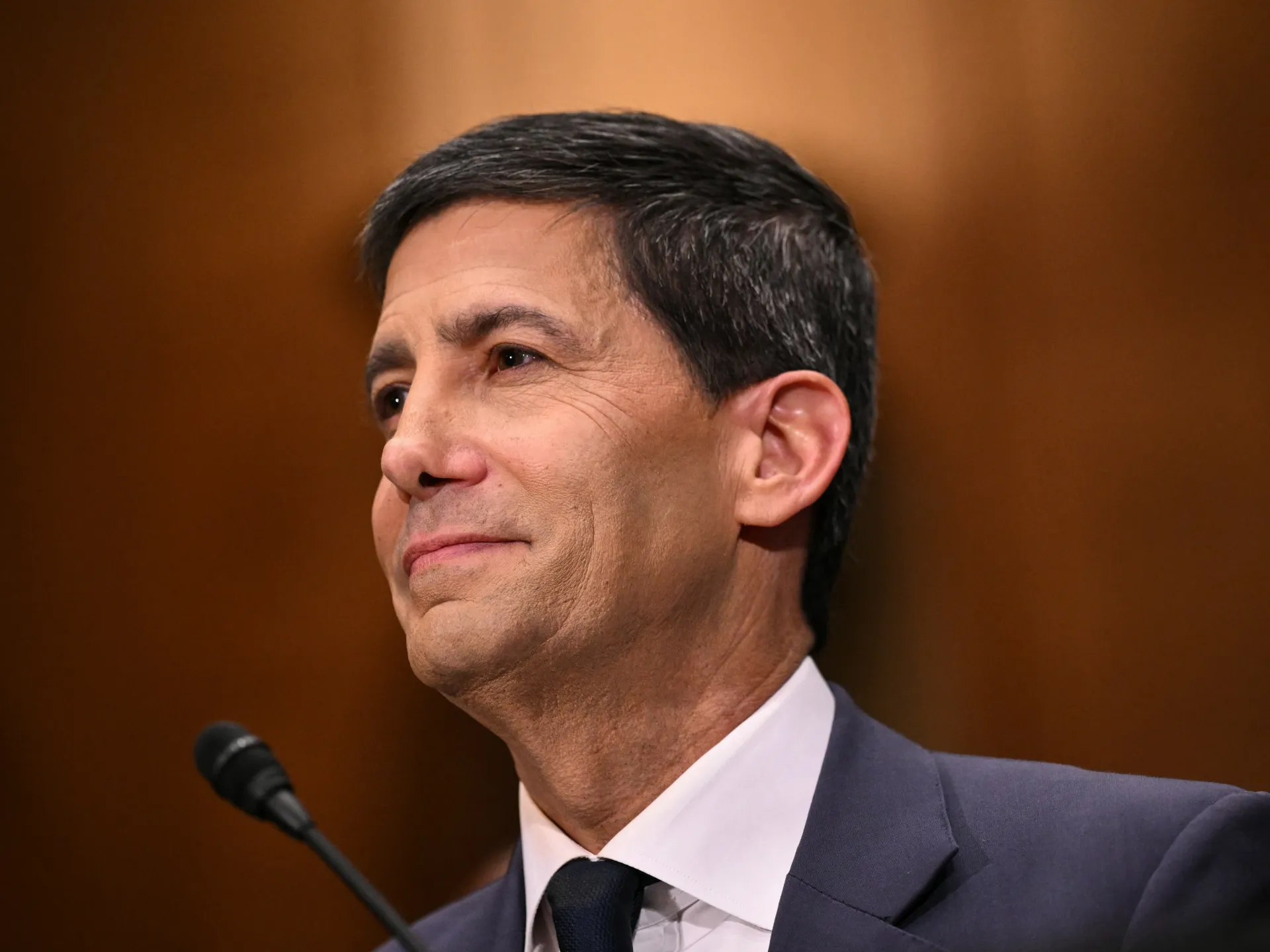
Warsh remarked in his Senate hearings that he would prefer more debate and dissonance on the committee, which has been remarkably absent in recent years ― “messier meetings without pre-rehearsed scripts”. No doubt he will get more of it if he is prepared to listen.
There is enormous attention paid and constant pressure from politicians for lower rates in the US. Borrowers clearly have more political heft than lenders. Yet why short-term interest rates as set by the Fed matter as much as they do in the US is something of a mystery given that much borrowing and lending, including mortgage lending, is undertaken over extended periods at predetermined fixed rates.
Warsh also indicated that he did not approve of the FOMC members sharing their views about the future direction of interest rates over which the committee exercises control. The argument for doing so is presumably to better inform the market about the direction of interest rates, so the Fed would be less likely to disturb the forward-looking actions taken by market makers.