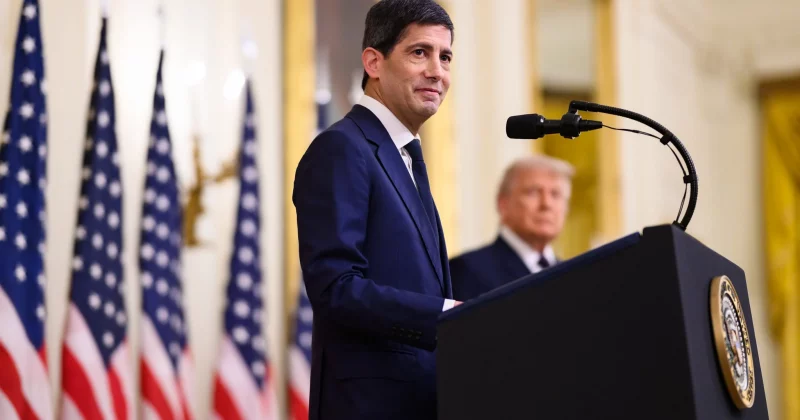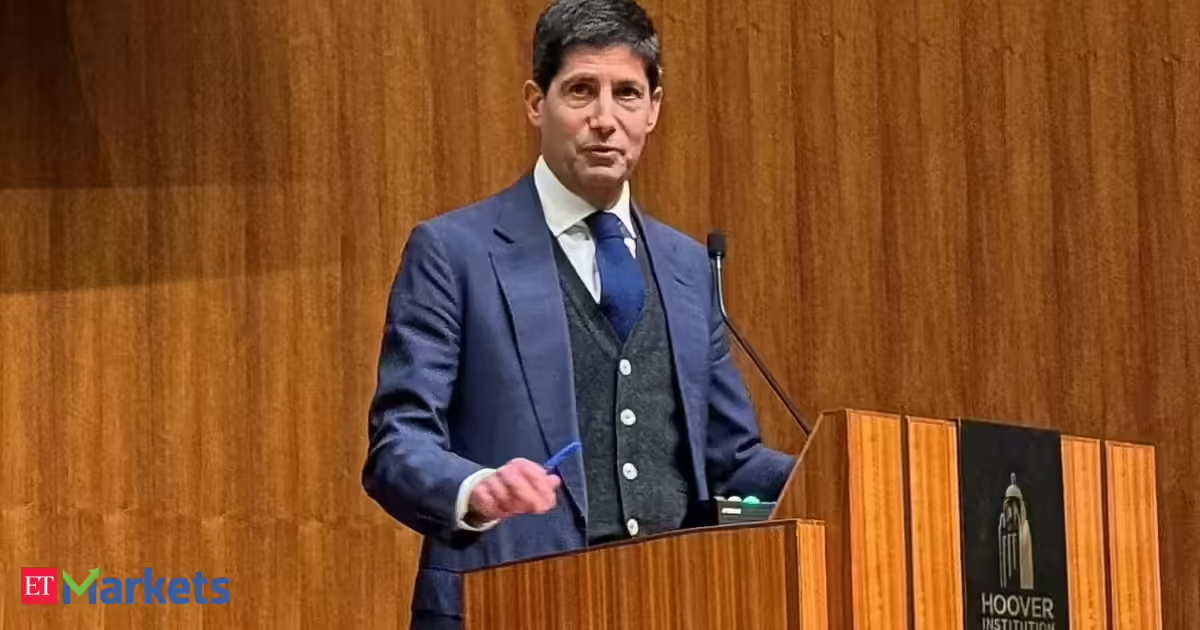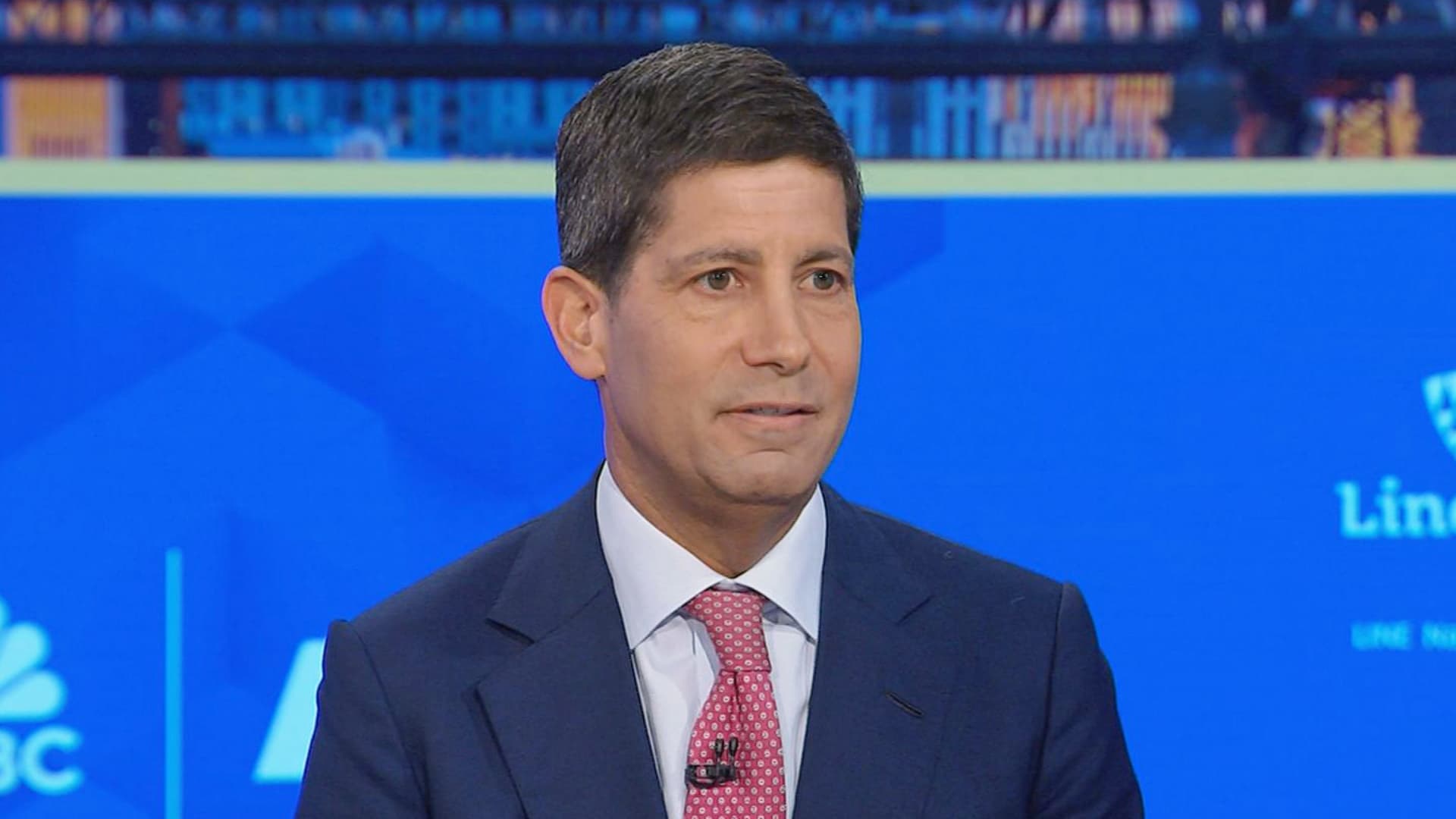
Kevin Warsh could face a buzzsaw when he takes over as Federal Reserve chair — a Hobson’s choice between fighting inflation and protecting the labor market.
The Fed is duty-bound to support both sides of its sometimes conflicting dual mandate: stable prices and full employment.
There essentially are three ways to do that: raise interest rates to fight inflation by dampening demand, lower rates to support economic growth and hiring, or — most preferably — keep rates where they are to maintain a balance between the two.
Brewing economic conditions suggest, however, that when Warsh takes office, presumably in May, central bank policymakers could be facing both a wobbly jobs picture and sticky inflation made worse by spiraling energy prices.
“He’s got a perfect storm awaiting him here,” said Troy Ludtka, senior U.S. economist at SMBC Nikko Securities. “We’ve got some significant stagflationary pressures, particularly from the manufacturing and goods sectors of the economy. This is coming at a time when it seems like we’re really beginning to see the consumer — I don’t want to say break — but maybe begin to break.”