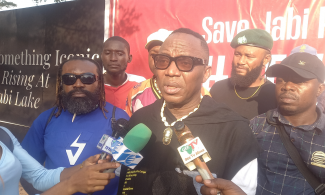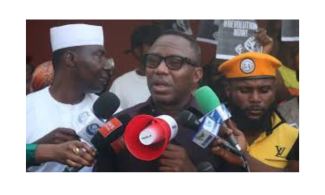
Among the most vocal critics of the proposed takeover is Omoyele Sowore, who publicly insisted that the park should remain available to ordinary Nigerians.
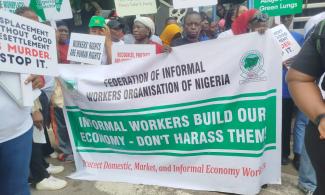
The ongoing controversy surrounding the proposed takeover, redevelopment and privatization of Jabi Lake Park raises serious public interest concerns that cannot be ignored in a democratic society. In recent weeks, Abuja residents, civil society activists and environmental advocates have protested against what they describe as "an attempt to convert one of the few remaining accessible public recreational spaces in Abuja into a predominantly private commercial enclave."
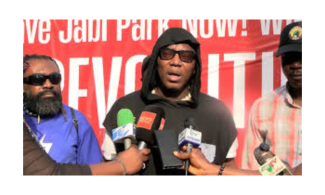
Among the most vocal critics of the proposed takeover is Omoyele Sowore, who publicly insisted that the park should remain available to ordinary Nigerians. He argued that it will be wrong to subject the park to elite commercial control. Sowore stated that the park serves as an important social and economic hub supporting exercise programs, therapy sessions, wedding photography, petty trading, tourism and other daily activities relied upon by thousands of residents.
Similarly, a religious leader named Pastor Sarah Omakwu appealed to the FCT Administration to preserve the public character of the lake and avoid excessive commercialization capable of depriving residents of a shared recreational space. To my mind, these concerns cannot simply be dismissed as emotional or political reactions. They raise real legal questions touching on public trust, urban planning, socio-economic rights, and the limits of executive power under Nigerian law.