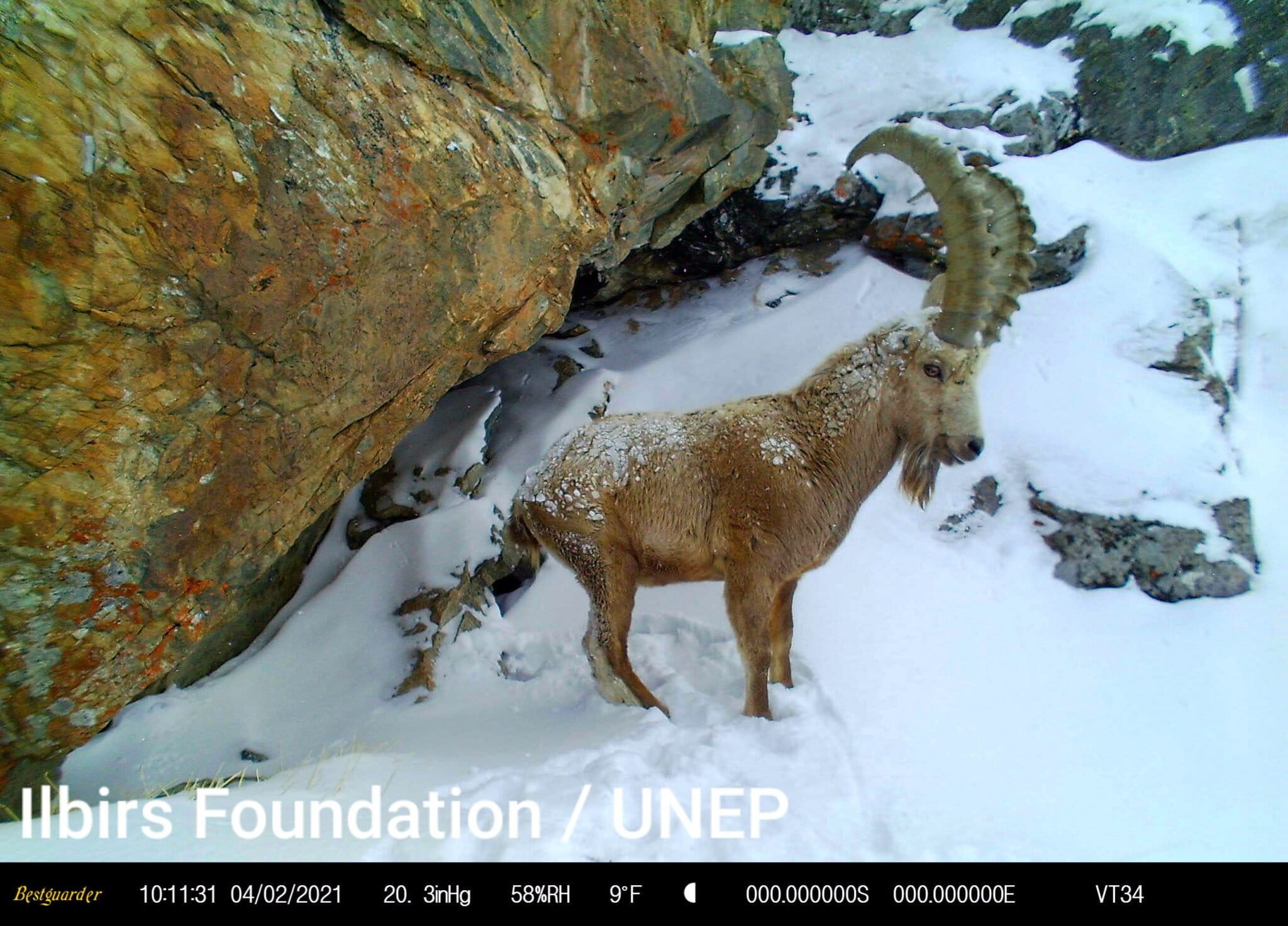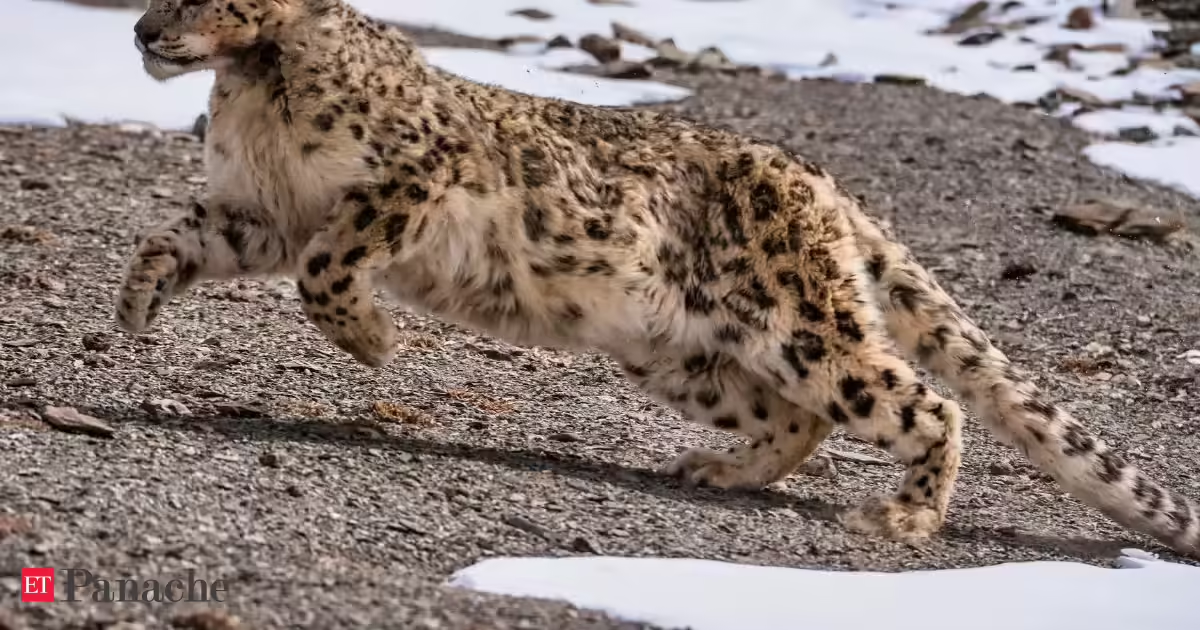
A stretch of high-altitude terrain in central Kyrgyzstan has been officially designated as the Ak Ilbirs ecological corridor, connecting protected areas to give snow leopards and other wildlife room to move as climate change alters their habitat.Unlike typical protected areas, the corridor allows herding, forestry and other land uses to continue under a monitoring system that tracks compliance with grazing rules and other requirements.Designed using climate models projected through 2070, the corridor captures more than 60% of suitable habitat for snow leopards, argali sheep, Asiatic ibex and gray wolves.To ease pressure on pastures, local NGOs are training herders in alternative livelihoods, such as beekeeping and fruit and vegetable cultivation, while volunteer rangers monitor wildlife and watch for illegal activity.
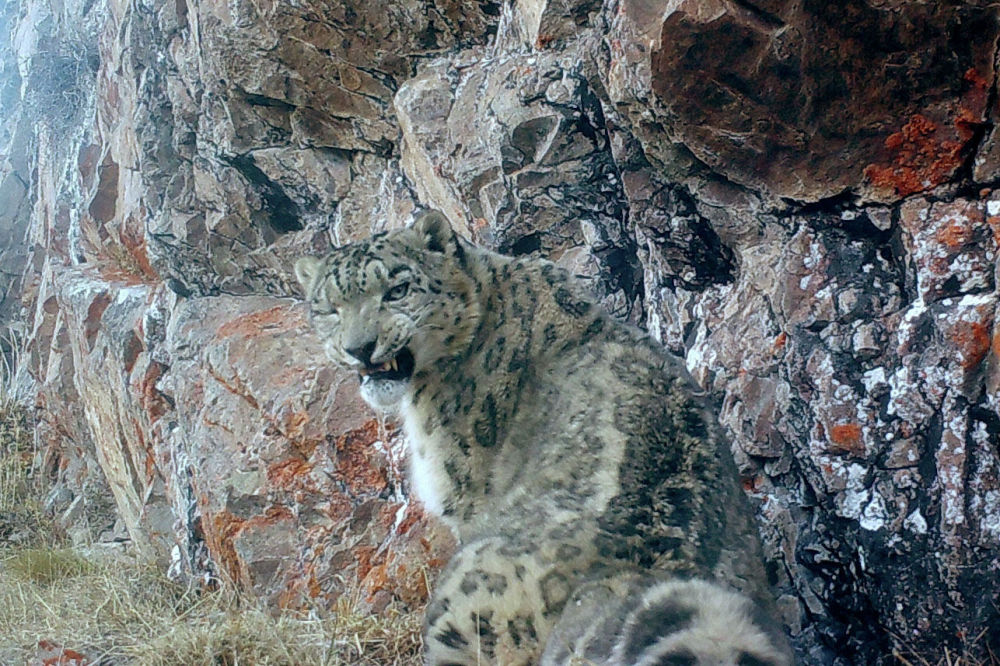
Snow leopards haunt the rocky ridgelines of Central Asia, vanishing into terrain so rugged that researchers rarely catch more than a brief glimpse on camera traps. Locals call them “ghosts of the mountains.”
Their elusive nature, paired with the remote landscapes the cats inhabit, make them notoriously difficult to count. An estimated 3,500 to 7,500 snow leopards (Panthera uncia) remain across 12 countries. The IUCN, the global wildlife conservation authority, lists the species as vulnerable to extinction. Kyrgyzstan, where the snow leopard is a national symbol, is thought to be home to around 300.