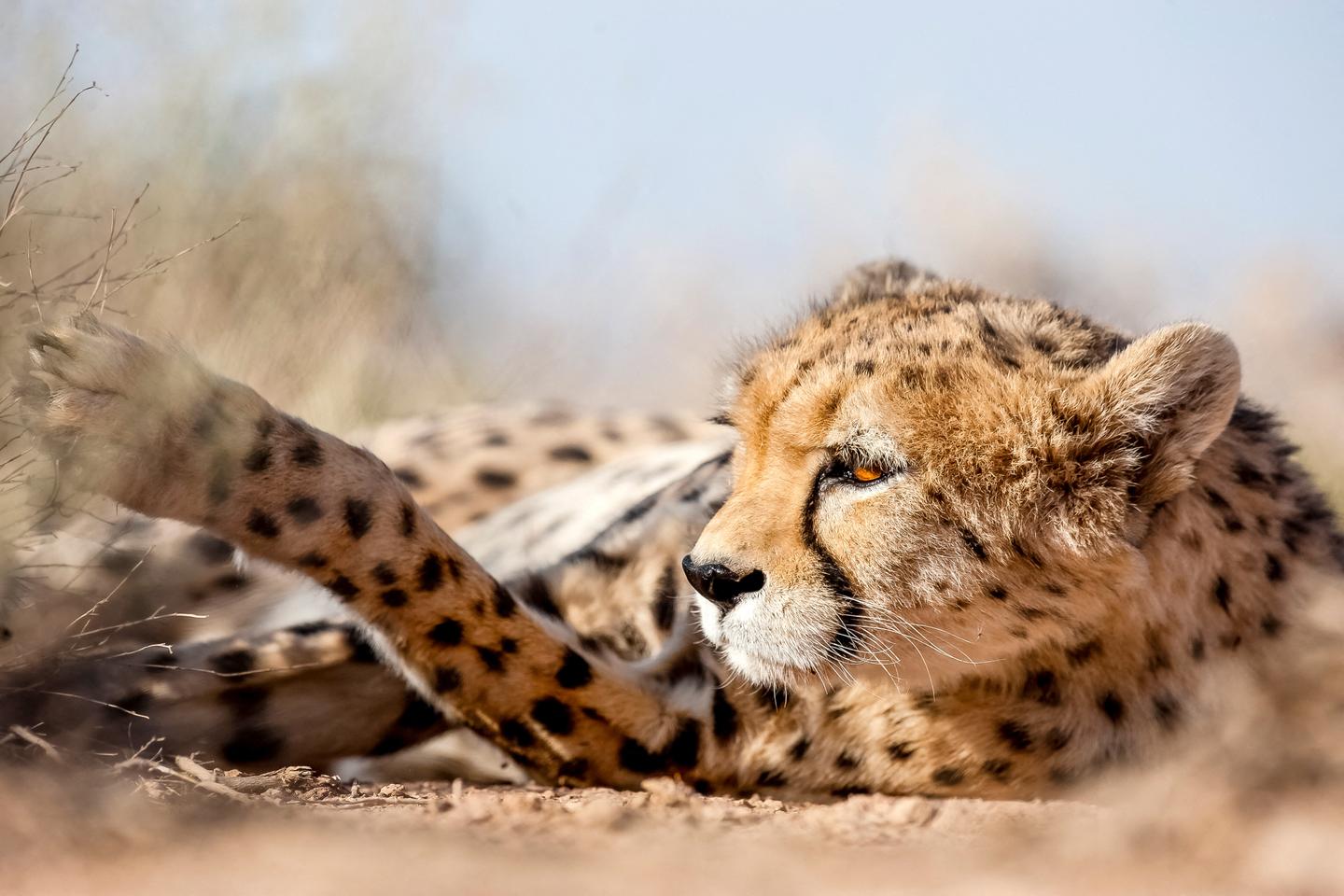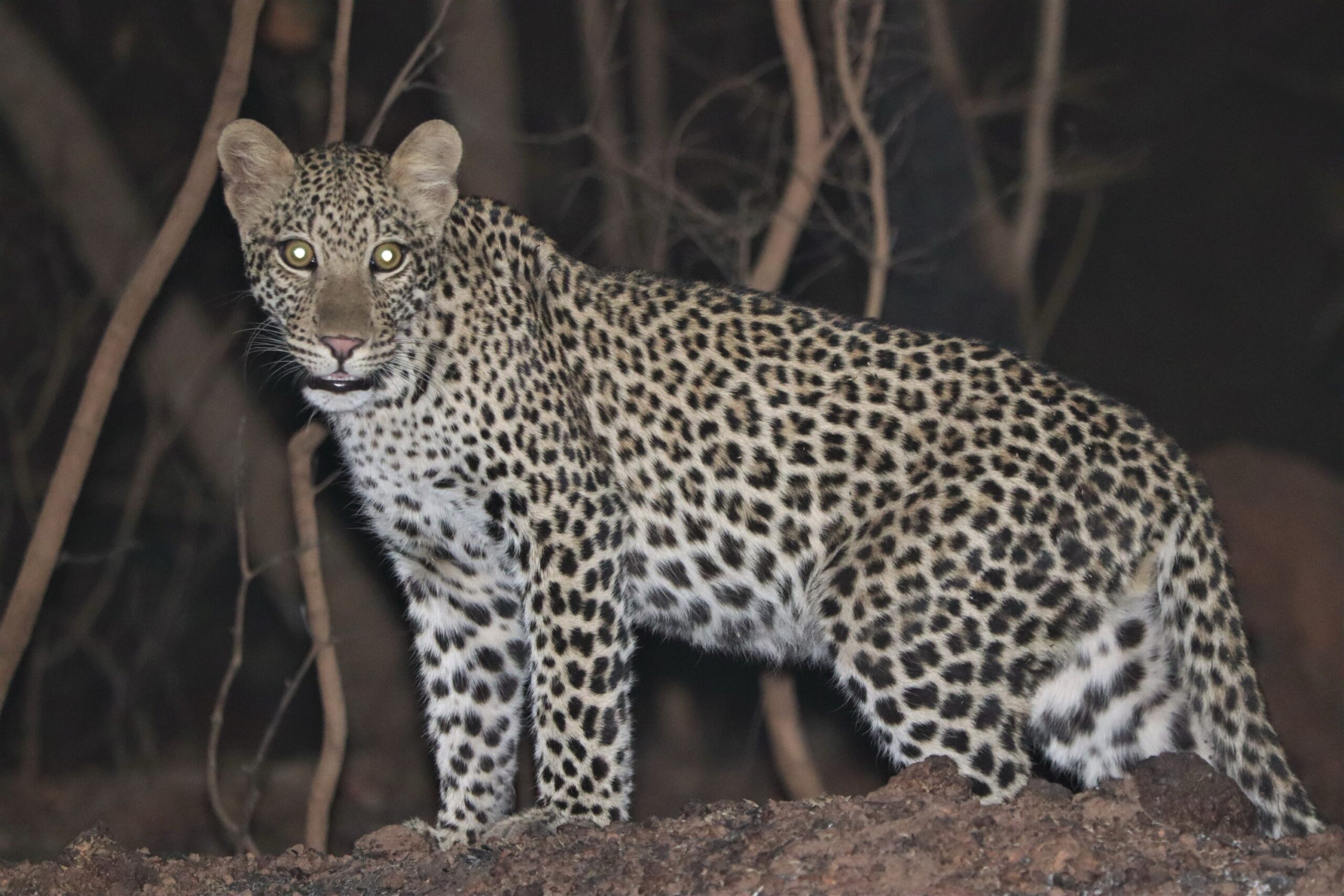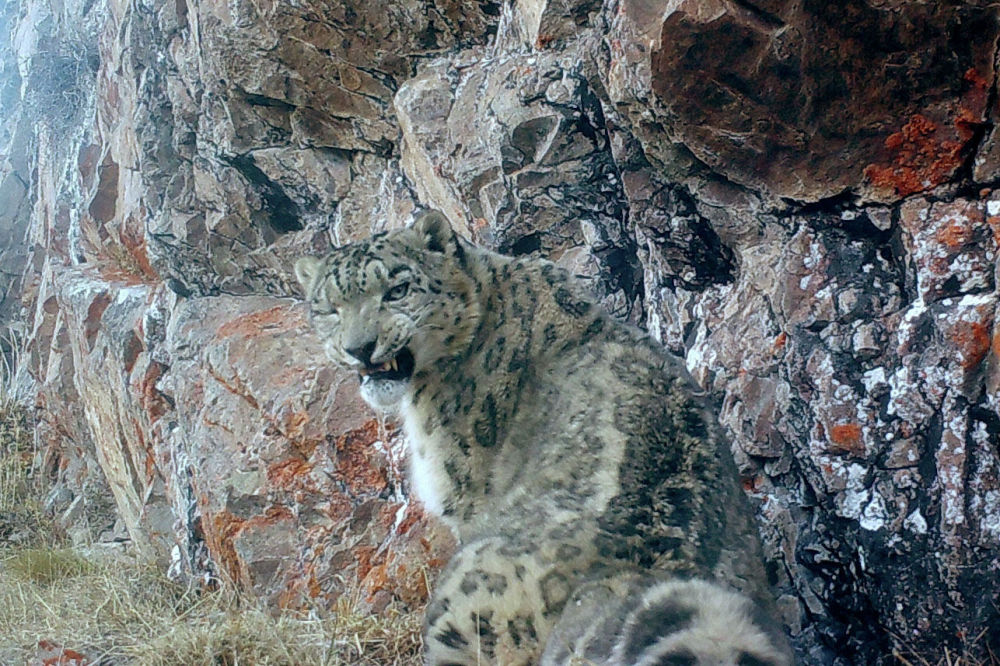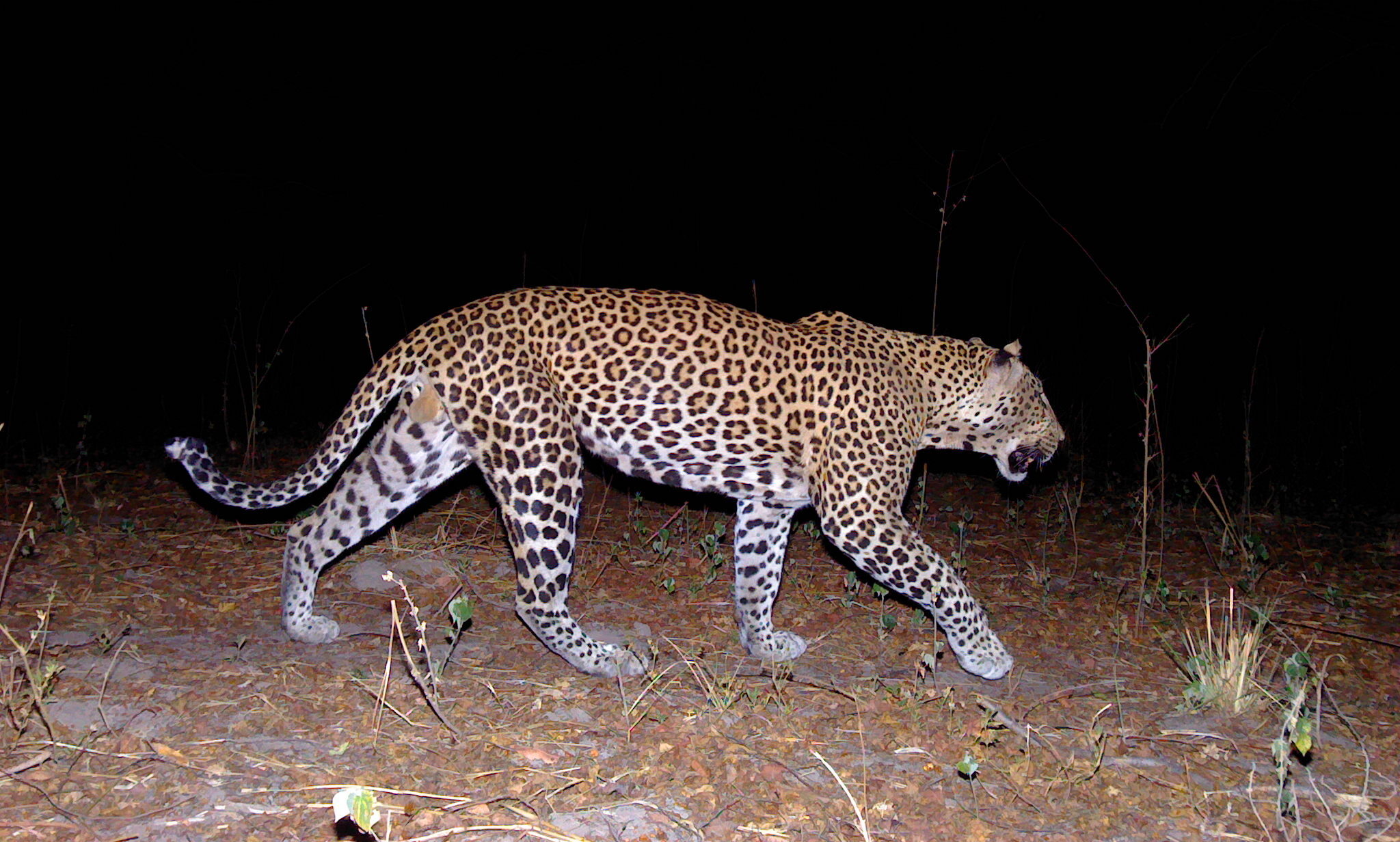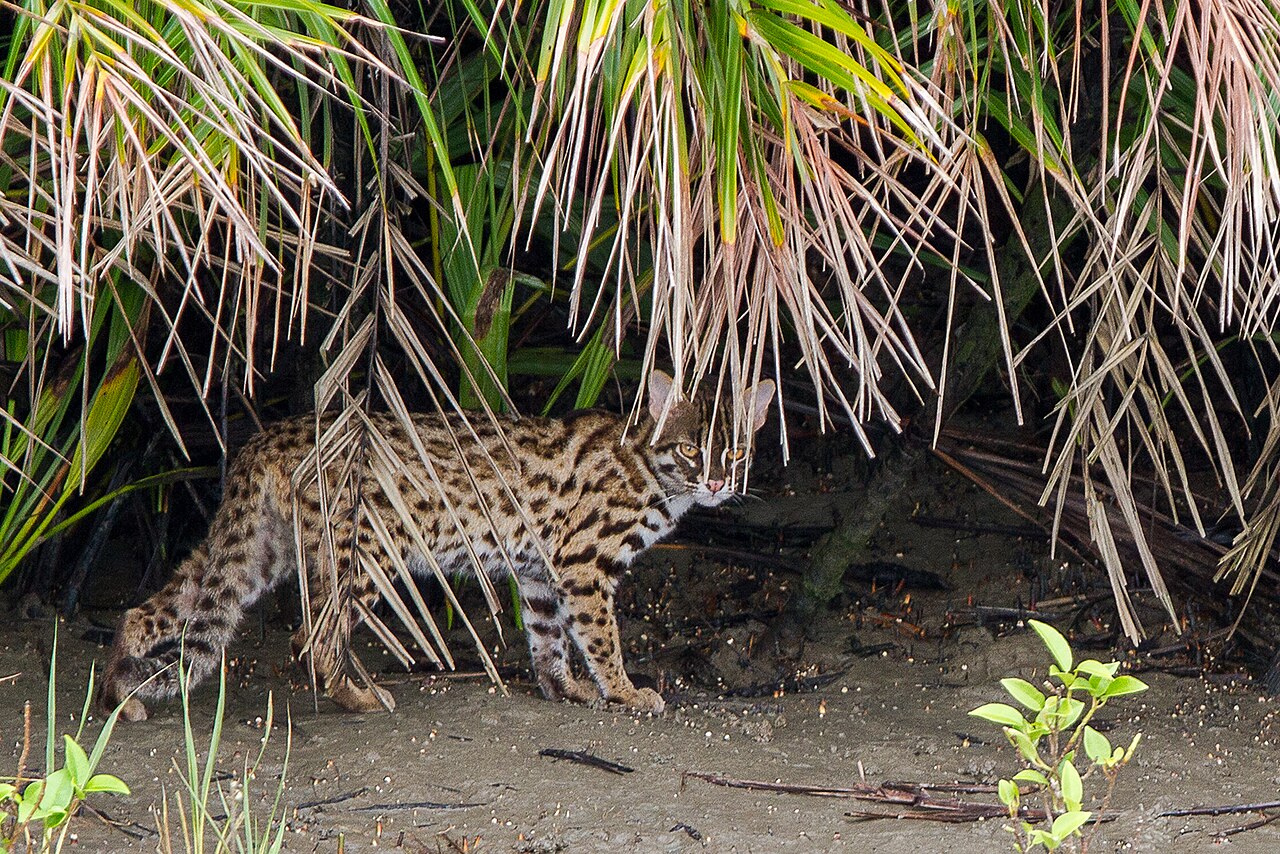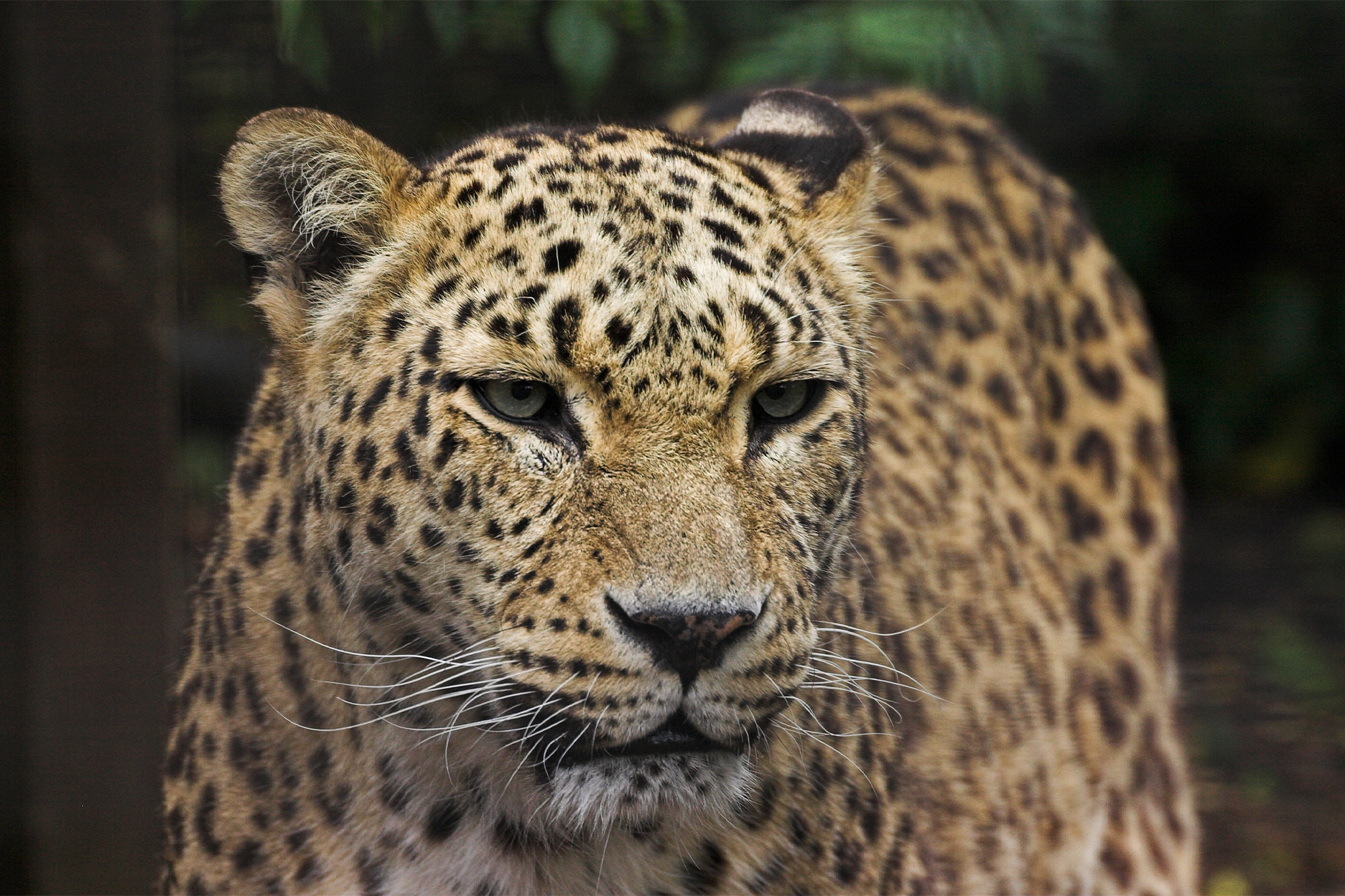
There are fewer than 1,100 Persian leopards left in the wild, with 80% — perhaps 732 individuals — concentrated in Iran. A handful remain in Russia, the Caucasus and countries across Central Asia.This leopard subspecies is endangered and declining, driven to the brink of extinction in habitats across its range across southwestern and Central Asia.More than half of all recorded leopard deaths are from retaliatory killings by local communities, who poison, trap or shoot leopards in response to livestock predation. They can also be maimed or killed by snares and traps intended for other, smaller prey.The Persian leopard now occupies around one-quarter of its historical range. Their habitat is fragmented and crisscrossed by dangerous roadways and broken by international borders that are fenced or laced with landmines.
Last September, zoologist and conservationist Bejan Lortkipanidze received a video file from a collaborator, Zurab Gurielidze, the head of Georgia’s Tbilisi Zoo. Gurielidze offered no details, but told his friend to “just watch.”
For several moments, Lortkipanidze saw nothing remarkable — just nighttime footage of a high fence topped with razor wire. Then a leopard entered the frame.