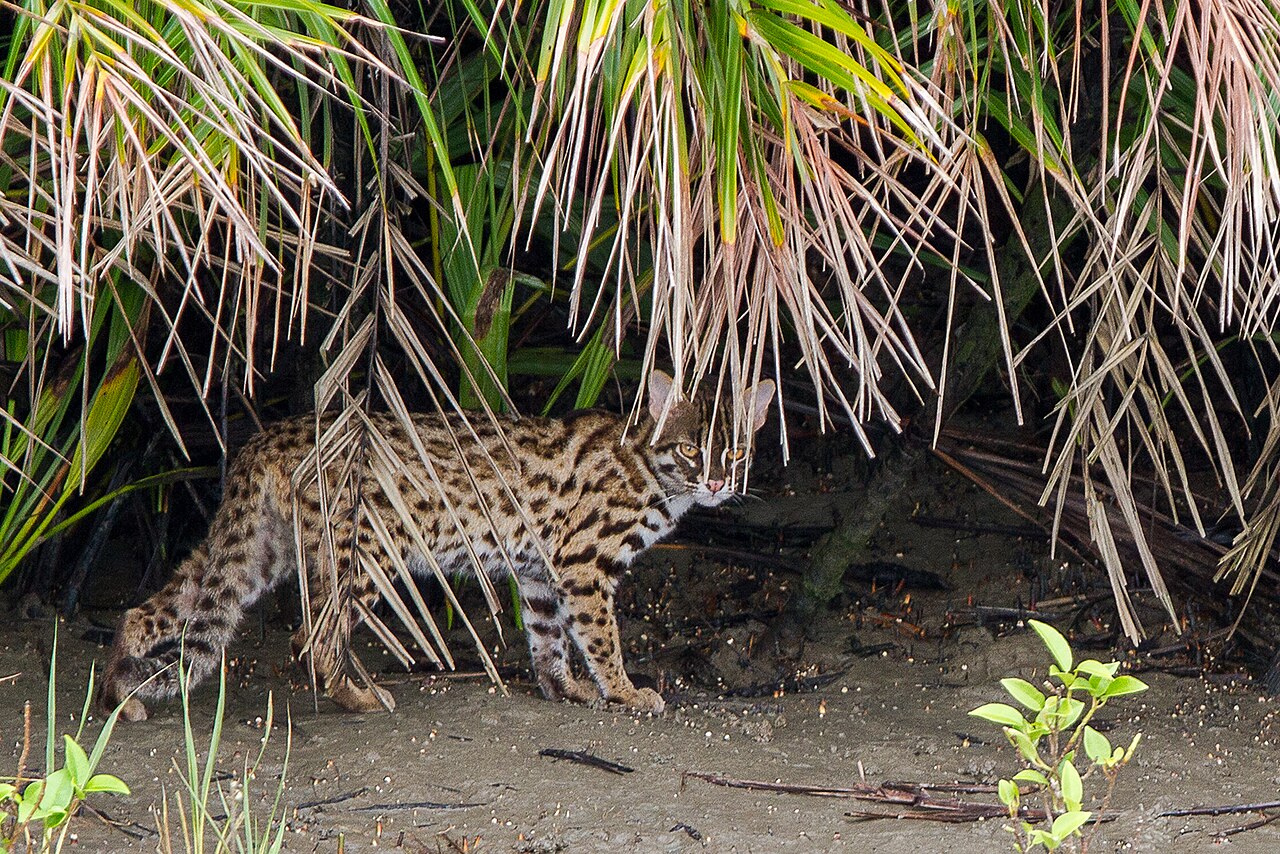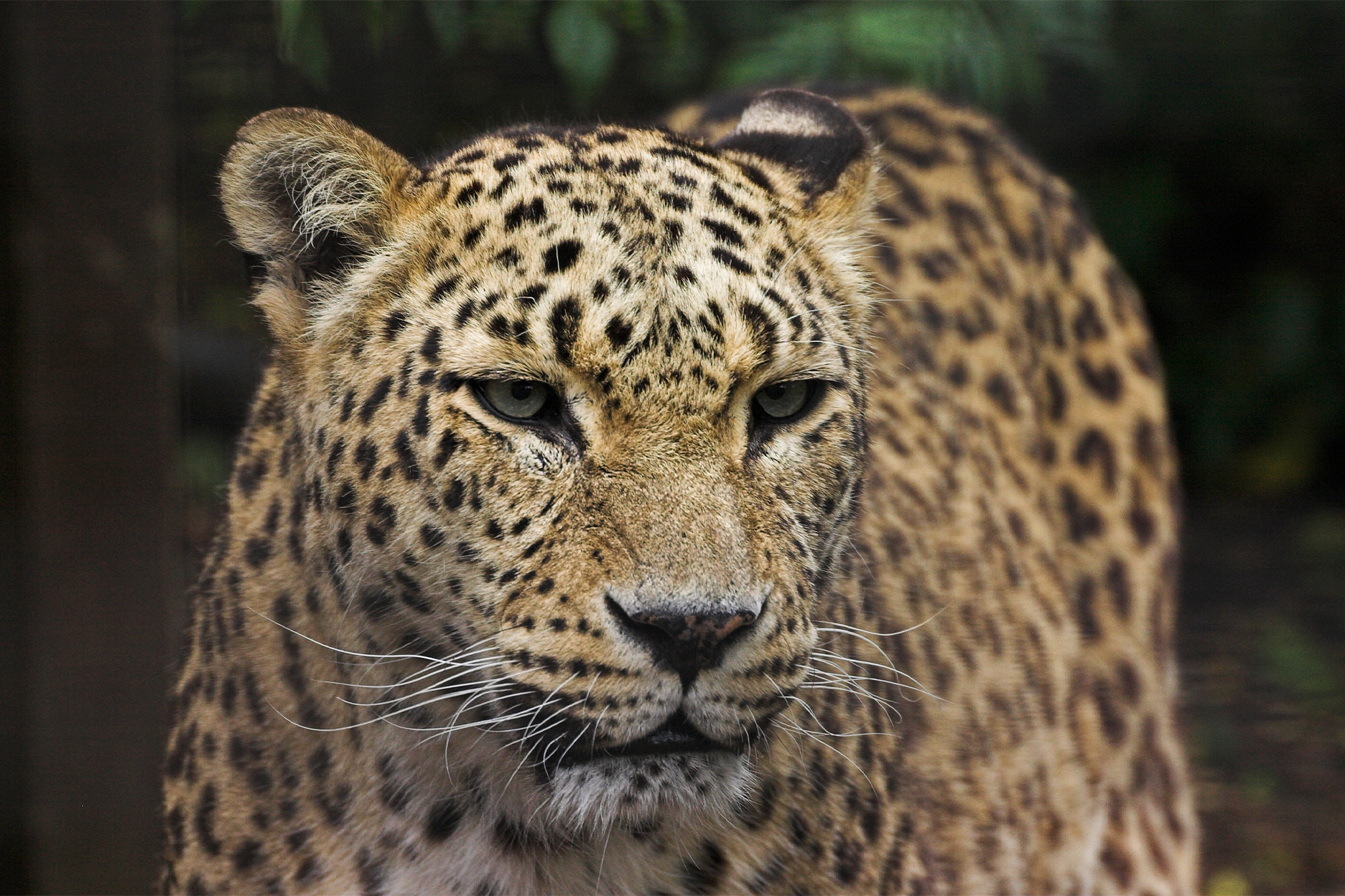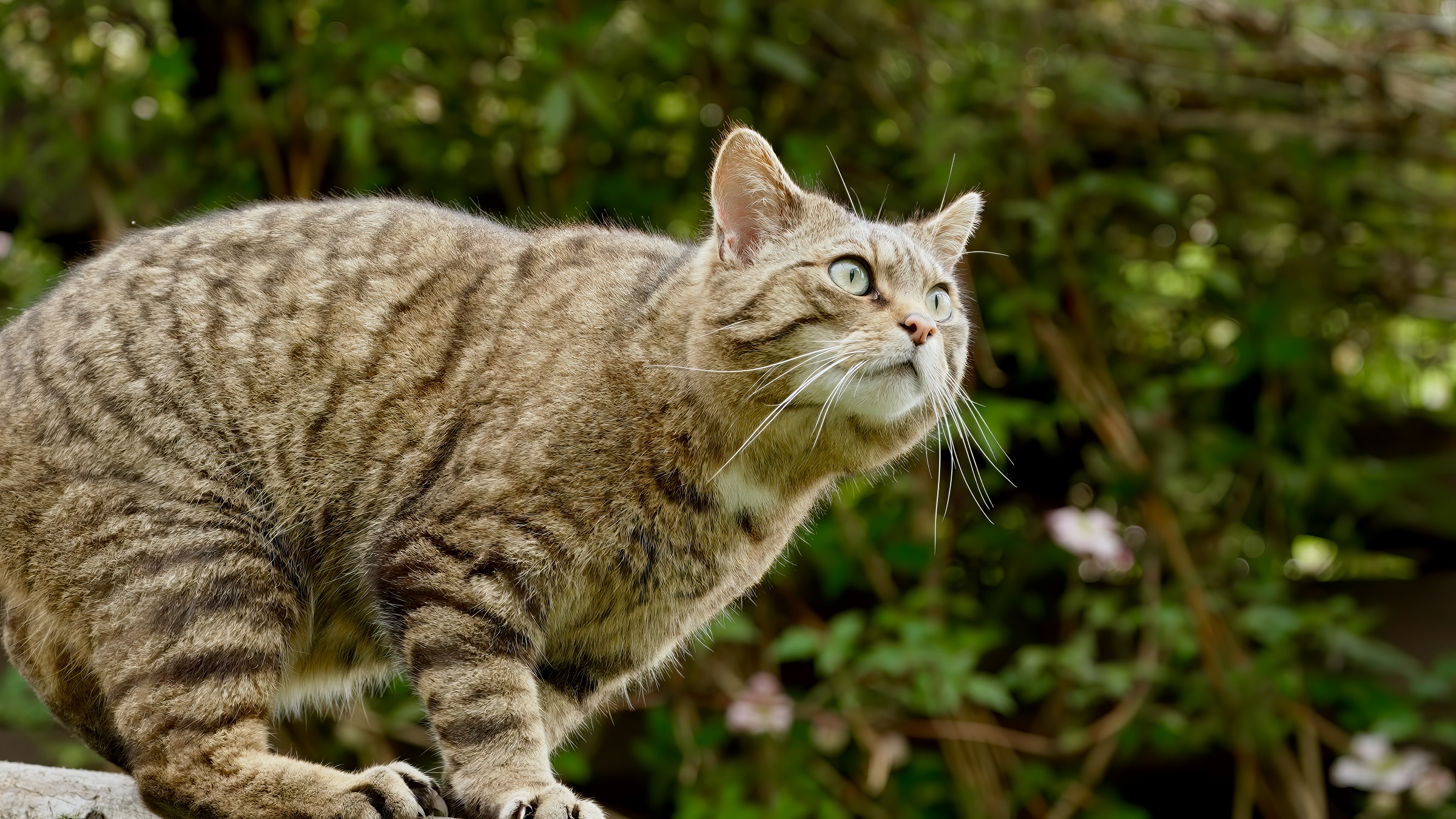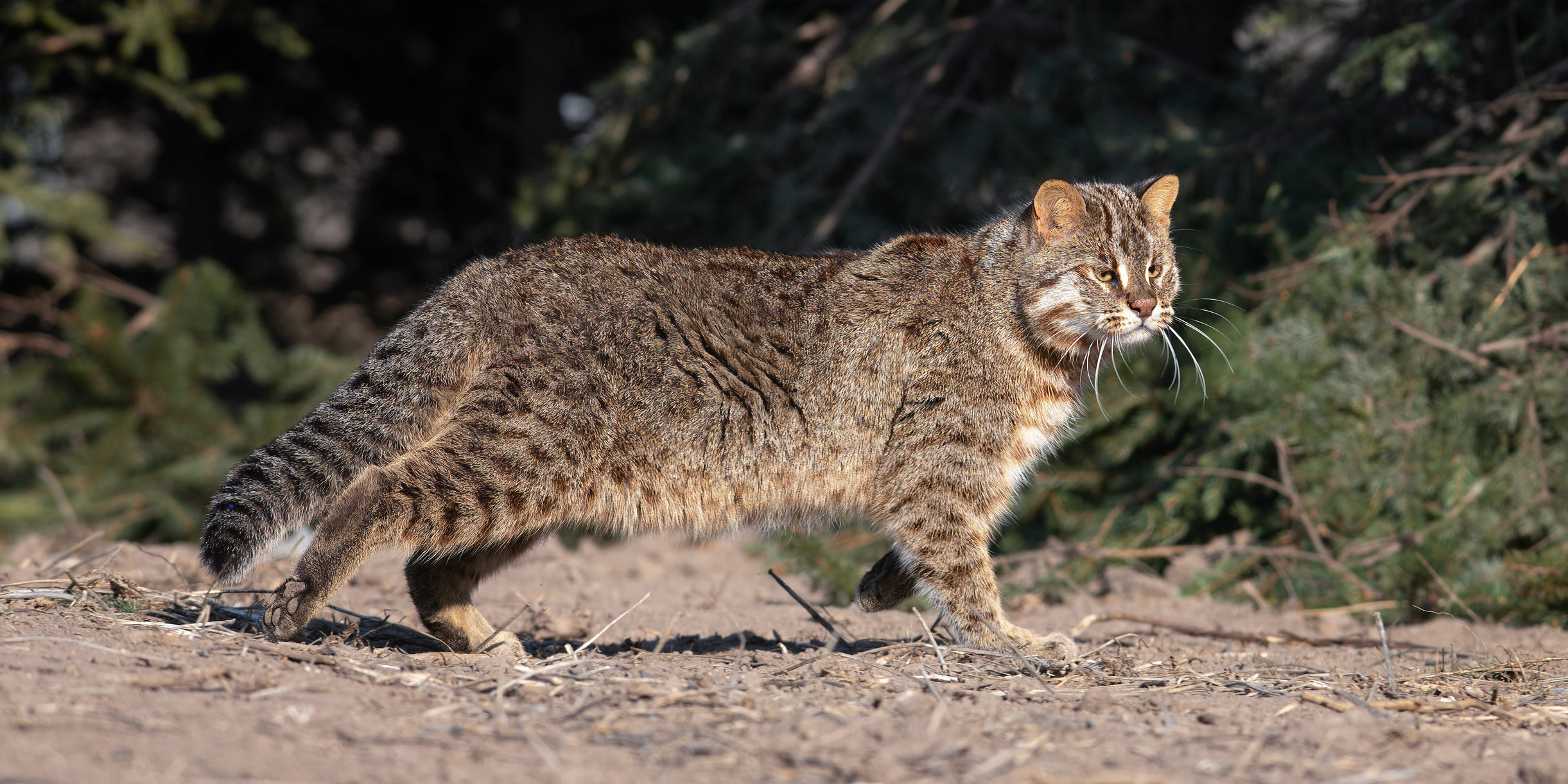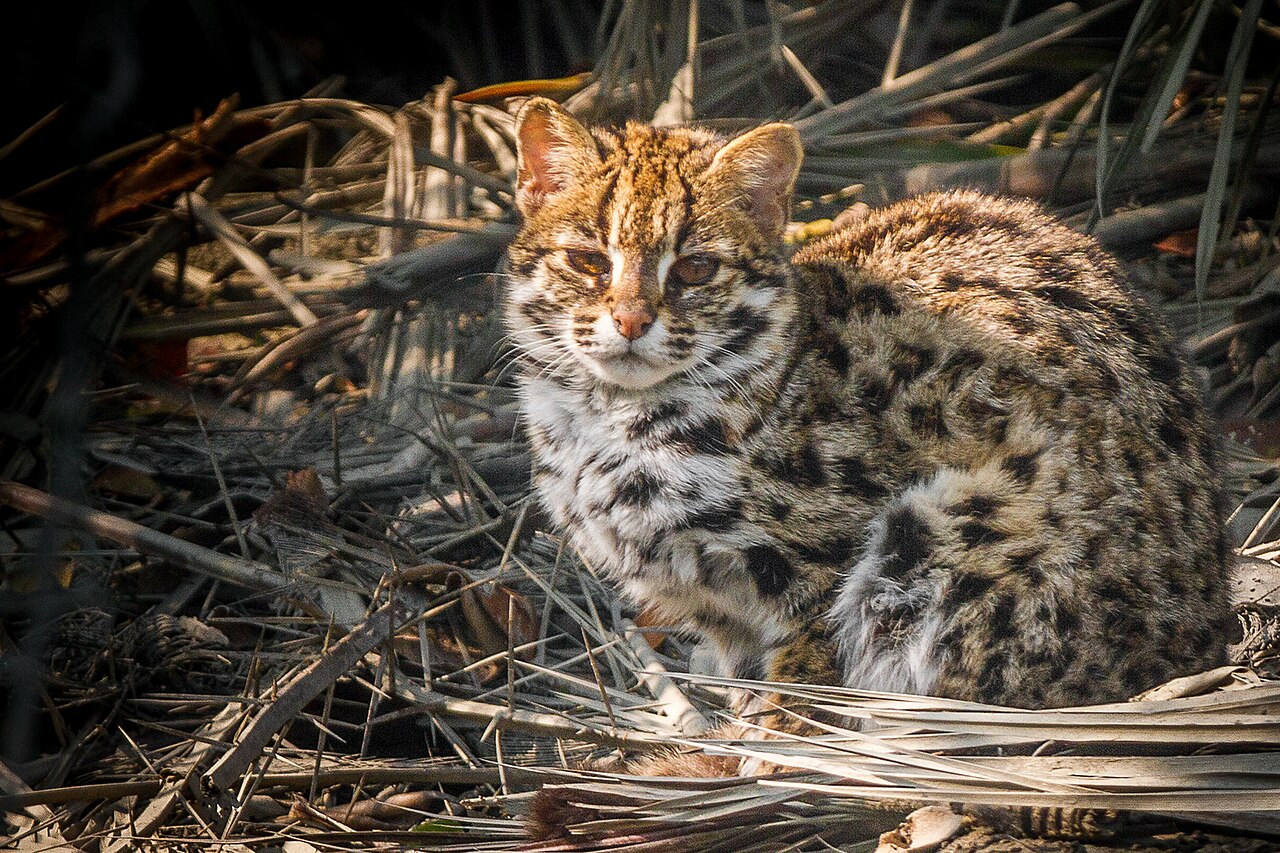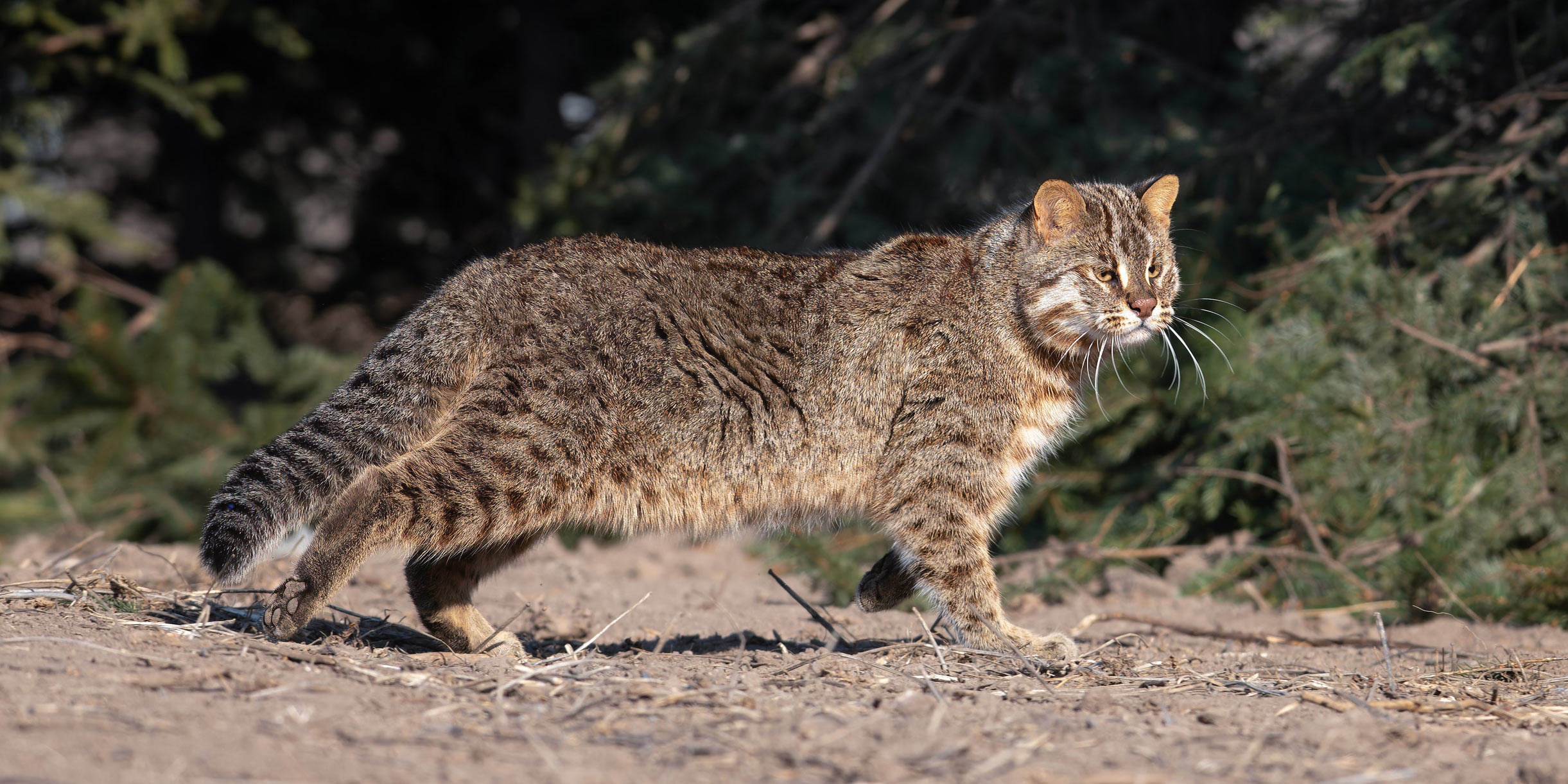
In 2017, while hiking in the mountains of northern Beijing’s Yanqing District, I came across animal scat along the trail. After nearly two decades studying cats, I recognized it immediately. The question was: what variety produced it? A house cat, a feral cat, or a leopard cat?
Leopard cats are known to inhabit the mountainous areas around Beijing, but this scat lay less than a kilometer from a villa complex. If it came from a leopard cat, it would mean this elusive predator was surprisingly active near human homes.
I wrapped the scat in tissue, took it back to my lab at Peking University, and ran a molecular test. The result was clear: it was from a leopard cat.
The discovery marked the beginning of a new phase in my research.
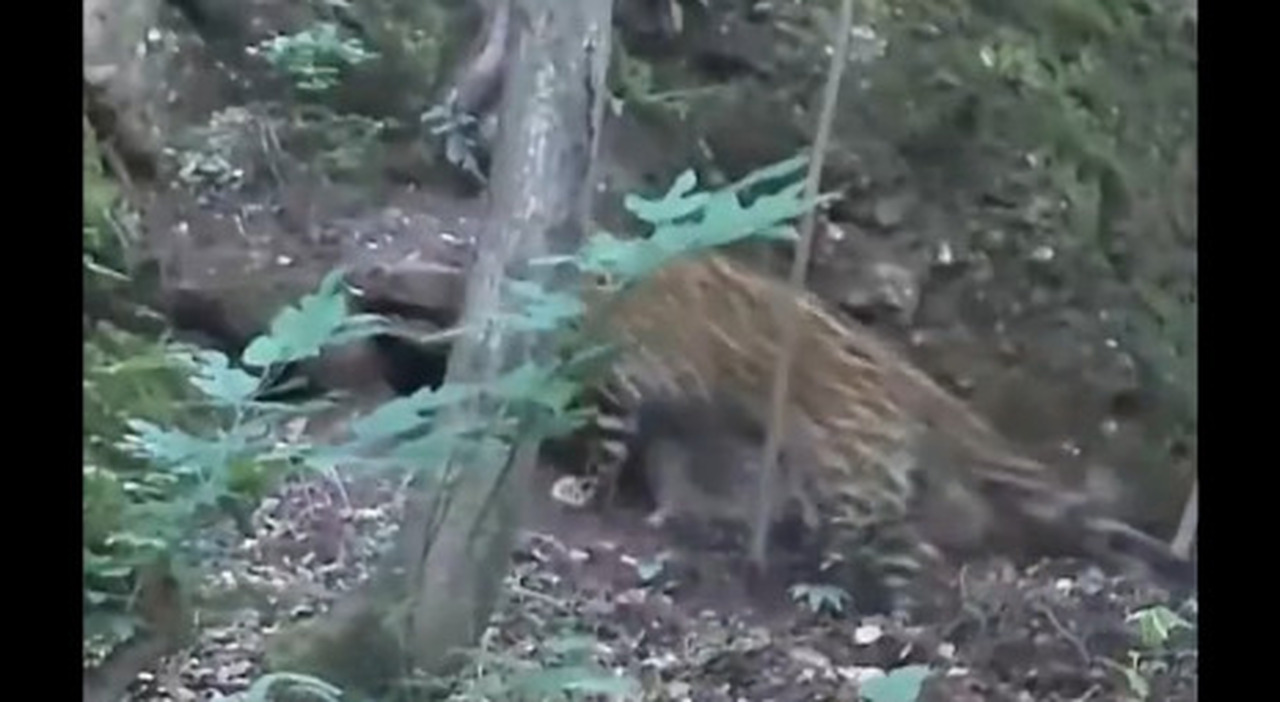
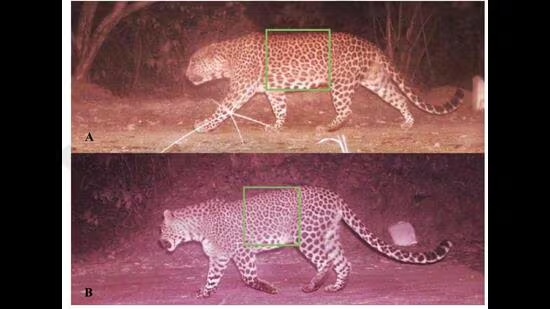
Soon, my team set up six infrared camera traps along the 15-kilometer route where I had been hiking. A month later, the cameras had captured two leopard cats. I was thrilled. Even in a megacity like Beijing, meaningful wildlife fieldwork was still possible.