Pakistan’s economy appears to be heading toward another challenging phase. The current account deficit has once again resurfaced amid persistent weaknesses in the external sector, particularly the balance of payments.
This vulnerability, which seems to be entrenched in the country’s structural imbalances, such as heavy reliance on imports, falling exports and exposure to external shocks, has long undermined Pakistan’s pursuit of sustainable growth.
While short-term economic stabilization measures have helped the country in recent months, they have not done much to address deeper issues that continue to constrain Pakistan’s economic potential.
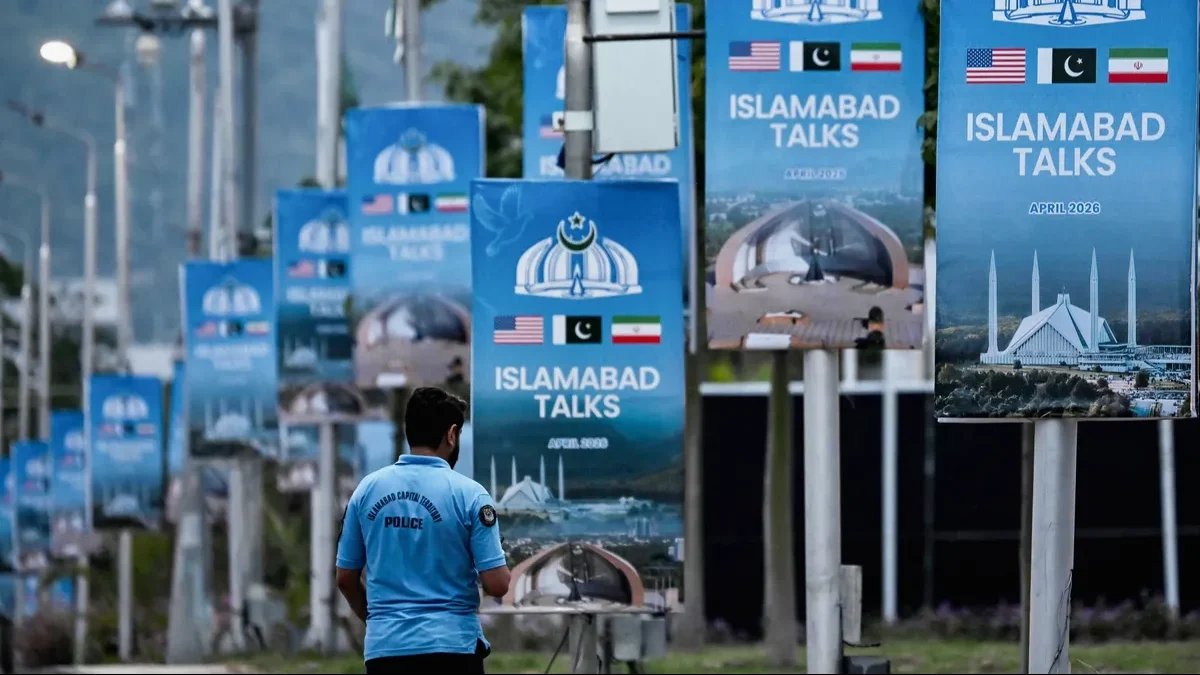
Amid the war between the United States and Iran, Pakistan’s external sector has once again exposed the economy’s structural weaknesses. More importantly, the war and its economic fallout show that the problems that short-term economic fixes seemed to have addressed have resurfaced now. The country remains highly sensitive to geopolitical risks and changes in commodity prices. This U.S.-Iran conflict has already disrupted trade routes, raised energy costs, and put more pressure on foreign exchange reserves.
This is happening at a time when investor confidence in Pakistan is already low. Recent data from the State Bank of Pakistan (SBP) underscores the gravity of the situation. It is important to note that Foreign Direct Investment (FDI) in Pakistan has plummeted by a sharp 31 percent in the first 10 months of FY 2026. The country attracted just $1.409 billion during July-April FY26, compared to $2.035 billion in the same period of the previous fiscal year. Moreover, governance concerns and policy uncertainty, as per the central bank, continue to weigh heavily on foreign investor sentiment.