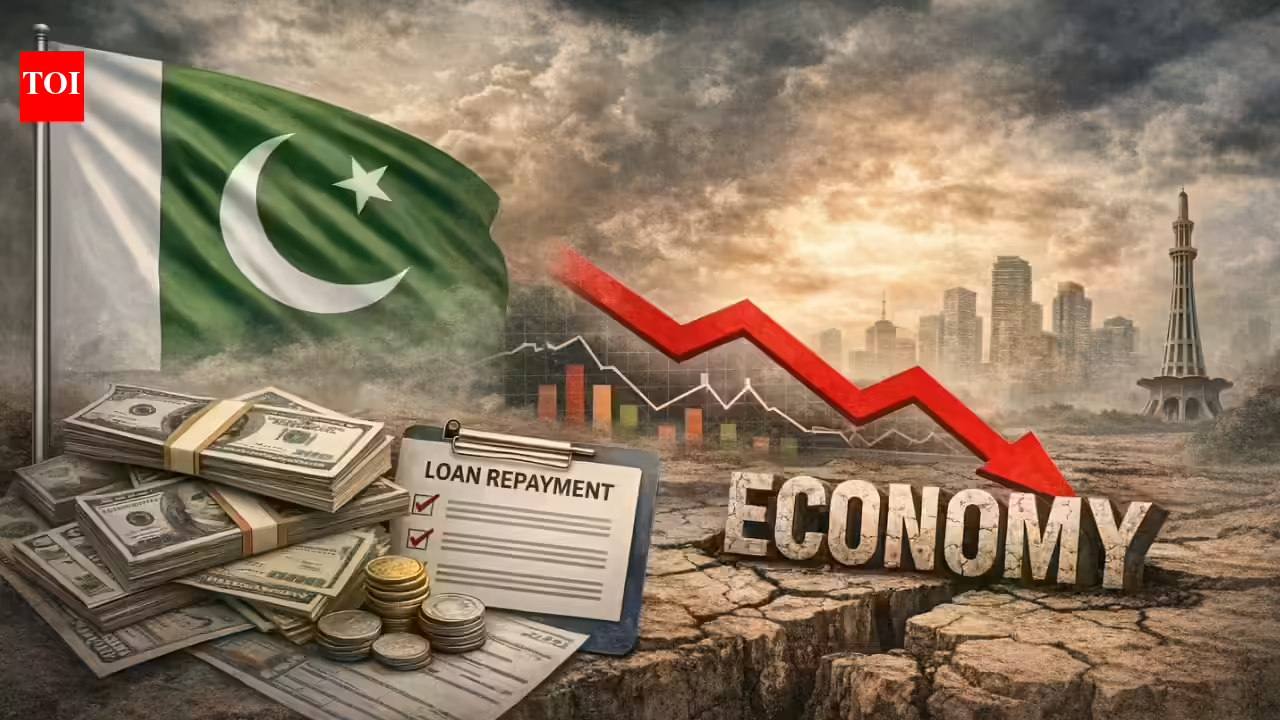
As the Iran war drags on, emerging market powerhouses are reeling from the closure of the Strait of Hormuz, one of the oil trade’s most important routes. Turkey’s foreign reserves are depleting at a record pace, India is considering all options as the rupee plunges to record lows, and Indonesia delivered a jumbo interest rate hike to defend its currency. If these heavyweights are struggling, what chances are there for smaller nations?
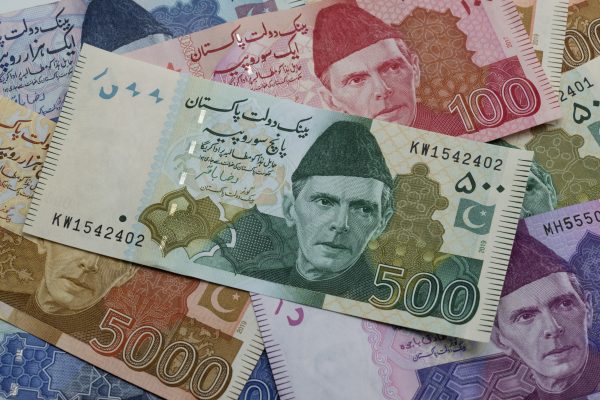
Pakistan is doing remarkably well considering the circumstances. In mid-April, the government reentered the global bond market after being shut out for almost four years, raising $750 million and 50% more than it had asked for. Bond yields over US Treasuries temporarily widened to about 5 percentage points in March but have largely gone back to prewar levels. The local rupee has been stable at around 280 per dollar and the benchmark KSE-100 Index is down only 1.3% for the year.The resilience goes against global investors’ conventional wisdom. In times of turbulence, developing countries with twin deficits, namely in current accounts and fiscal budget, are vulnerable to hot money flows and can easily tip into distress. And Pakistan, which has received an extraordinary 25 bailouts from the International Monetary Fund, fits the bill perfectly.