Get the latest news and updates from Dawn
Pakistan’s macroeconomic woes stem from persistent fiscal imbalances, which usually fuel balance-of-payments crises and keep the economy from reaching its potential. The government and the International Monetary Fund (IMF) have attempted to address the problem largely by increasing tax revenues, without sufficient focus on expenditure reduction. Even within revenues, the emphasis remains on the topline target rather than on expanding the tax base.
This is evident from the recent increase in the tax-to-GDP ratio, from 9.3 per cent of GDP in FY23 to 11.1pc in FY25. Much of this improvement has come from further squeezing an already narrow tax base.
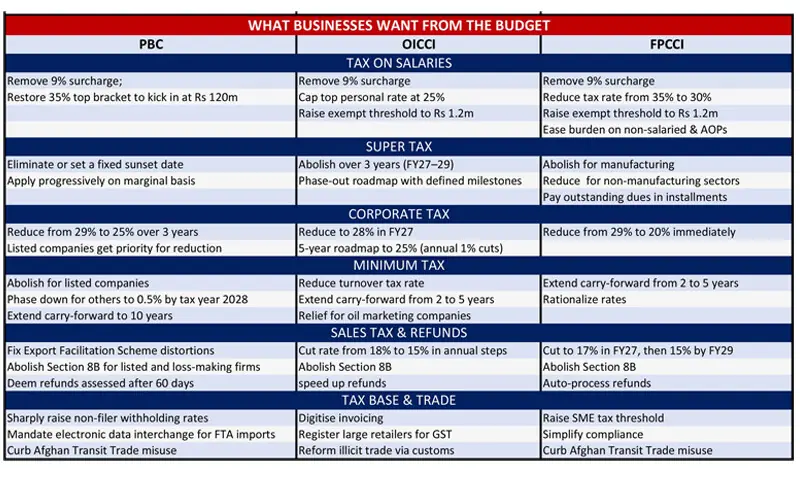
The overall income tax incidence on the formal corporate sector now exceeds 64pc, including income tax, super tax, and dividend taxation. Salaried taxpayers, meanwhile, face a top rate of 38.5pc, including the surcharge. On the other hand, there is still no serious resolve to tax agriculture, retail, and professional services, where collection remains abysmally low.
More of the same cannot continue. The formal sector, including multinationals, contributes nearly one-third of the country’s total revenues, which is significantly higher than its share in the economy. Formal firms are effectively paying a “compliance tax” and subsidising the undocumented sector, which is estimated at 30-40pc of GDP. The currency-in-circulation-to-monetary-aggregate ratio stands at 27pc, which is 60-70pc higher than India and more than double that of other competitive economies.