Get the latest news and updates from Dawn
Pakistan’s next budget is built on hopes of tax enforcement rather than expansion of the tax base or broader structural reforms.
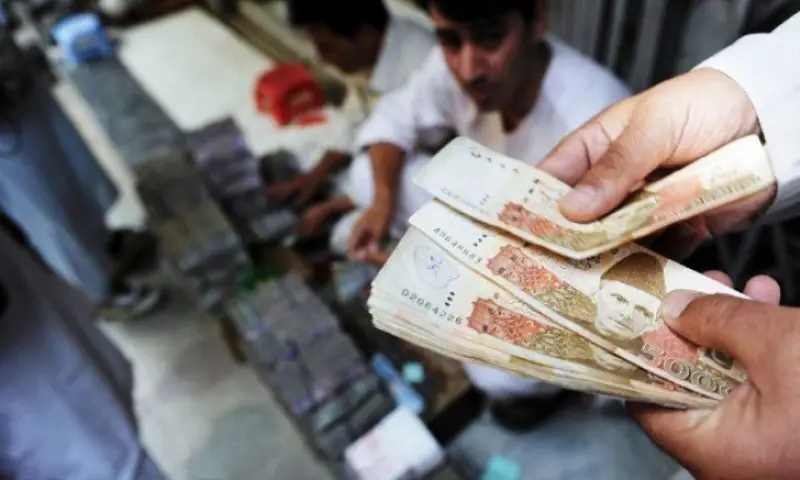
The numbers show a government struggling to balance its ledger: total expenditure of Rs18.8 trillion financed primarily through an aggressive tax collection target from existing taxpayers and significant domestic borrowing. Relying on tax enforcement alone is a risky strategy, most analysts note.
The government has anchored its tax projections on GDP growth of four per cent and inflation of 8.2pc, targeting a fiscal deficit of 3.6pc of GDP against a primary surplus of 2pc. The Federal Board of Revenue’s (FBR) tax collection is estimated at Rs15.3tr, a 17.6pc jump from the current year’s revised estimates. The federal deficit will be financed through domestic borrowings and provincial cash surpluses.
The increase in the FBR collection target is based on expectations of GDP expansion and inflation, delivering 70pc of additional autonomous growth in tax revenue. The remaining 30pc increase will be generated through enforcement measures without any additional taxation or expansion of the tax base. This makes enforcement-driven revenue collection the budget’s most consequential gamble.