Get the latest news and updates from Dawn
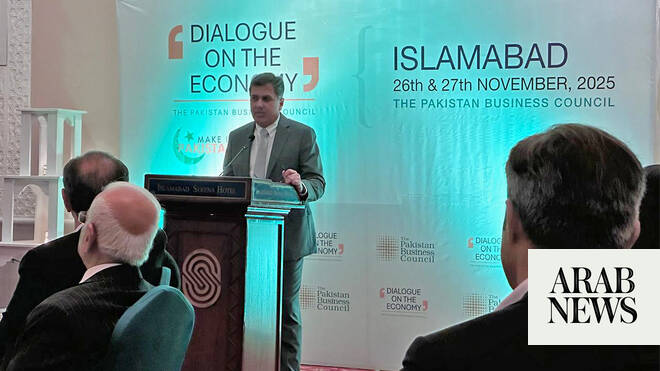
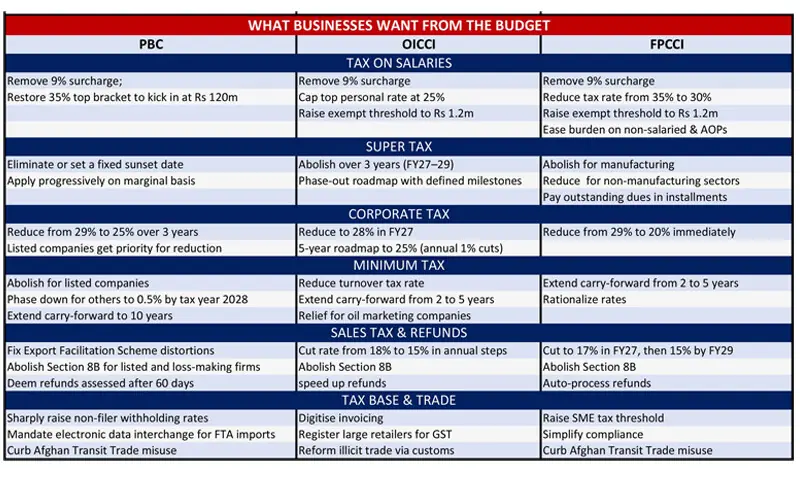
If the entire budget could be consolidated into one universal demand, it would result in lower taxes. The Overseas Chamber of Commerce and Industry (OICCI) is Pakistan’s premier body of foreign investors. The Pakistan Business Council represents the large formal sector, and the Federation of Pakistan Chambers of Commerce & Industry (FPCCI) is the apex body representing Pakistan’s trade, industry, and service sectors.
Broadly, all three organisations acknowledge the necessity of going through the stabilisation process. But they also point out that Pakistan’s tax rates and import tariffs are among the highest in Asia.
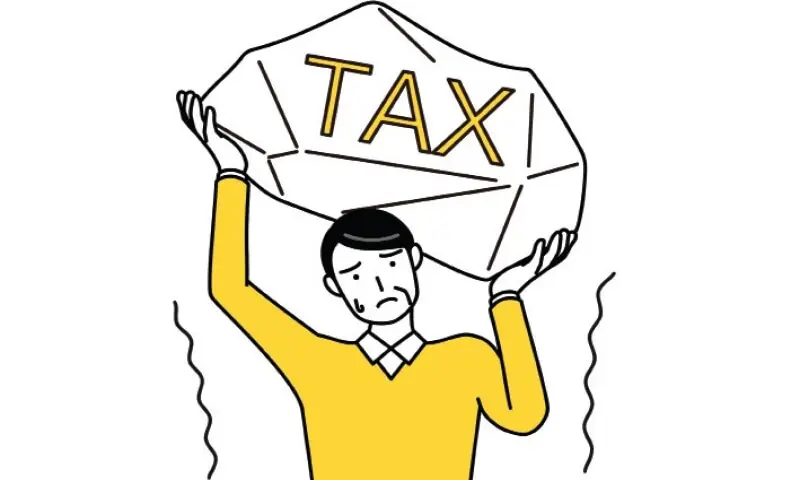
Counterintuitively, higher taxes do not result in higher revenue generation for the Federal Board of Revenue (FBR). The higher the tax rate, the greater the incentive to avoid paying taxes, and the lower the tax collection. As PBC points out, nearly 40pc of Pakistan’s GDP is undocumented, with currency in circulation standing at Rs11 trillion in mid-April.
OICCI, using FBR data, says that only about 5.2m people in a population of over 240m filed tax returns in 2023. That is less than 2.2pc of the population. And the ones paying taxes are paying a higher rate of tax than, say, their Indian counterparts. No wonder there is a scramble to leave the country by anyone who can.