Pakistan’s long-term economic future depends on one objective: sustained export-led growth. Yet exports have remained stuck around $30 billion for years while imports continue to rise, leaving the country vulnerable to external shocks and recurring balance-of-payments crises.
The FY27 budget does little to change this trajectory. Exporters expected lower energy costs, a simpler Final Tax Regime and measures to improve competitiveness. Instead, the budget largely preserves the status quo, raising doubts about Pakistan’s ability to achieve sustained export and GDP growth.
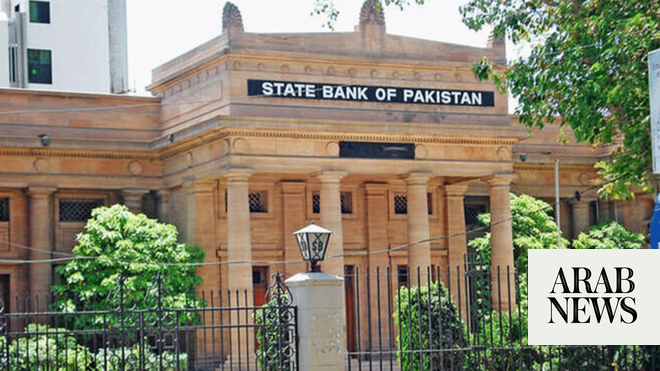
Ironically, the urgency for export reforms appears to be fading because record workers’ remittances are cushioning the external account. According to the State Bank of Pakistan (SBP), remittances reached a historic $41.6 billion in FY26, surpassing merchandise export earnings of $30.13bn. Overseas Pakistanis deserve appreciation for this remarkable contribution.
However, policymakers must ask an uncomfortable question: are rising remittances strengthening Pakistan’s productive economy, or merely masking its structural weaknesses?
Budget FY27 targets higher taxes, but not the export-led growth Pakistan needs