Get the latest news and updates from Dawn
Pakistan entered the FY27 budget cycle against the backdrop of a widening external trade imbalance. During the first eleven months of FY26 (July 2025-May 2026), merchandise exports declined to $27.9 billion while imports rose to around $62.7bn. As a result, the goods trade deficit expanded to nearly $34.8bn.
These figures help explain the strategic direction of the FY27 federal budget. Faced with a widening trade gap, pressure on foreign exchange reserves, and ongoing International Monetary Fund-backed reforms, the government has prioritised export-led growth, tax documentation, investment promotion, and digitalisation of revenue administration.
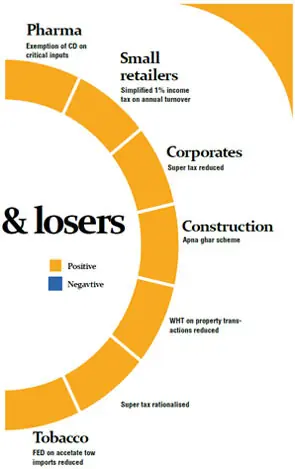
In many respects, the budget reflects a broader shift in economic policy. Rather than attempting to stimulate growth across all sectors simultaneously, policymakers have chosen to concentrate incentives on industries capable of generating foreign exchange earnings. The underlying assumption is that stronger exports will help stabilise the balance of payments, reduce external vulnerabilities and create a foundation for more sustainable economic expansion.
Export-oriented industries receive significant relief with the measures represent one of the most comprehensive packages of support provided to exporters in recent years. Lower taxes, cheaper financing and improved liquidity directly enhance competitiveness in international markets where producers often operate on thin margins.