Get the latest news and updates from Dawn
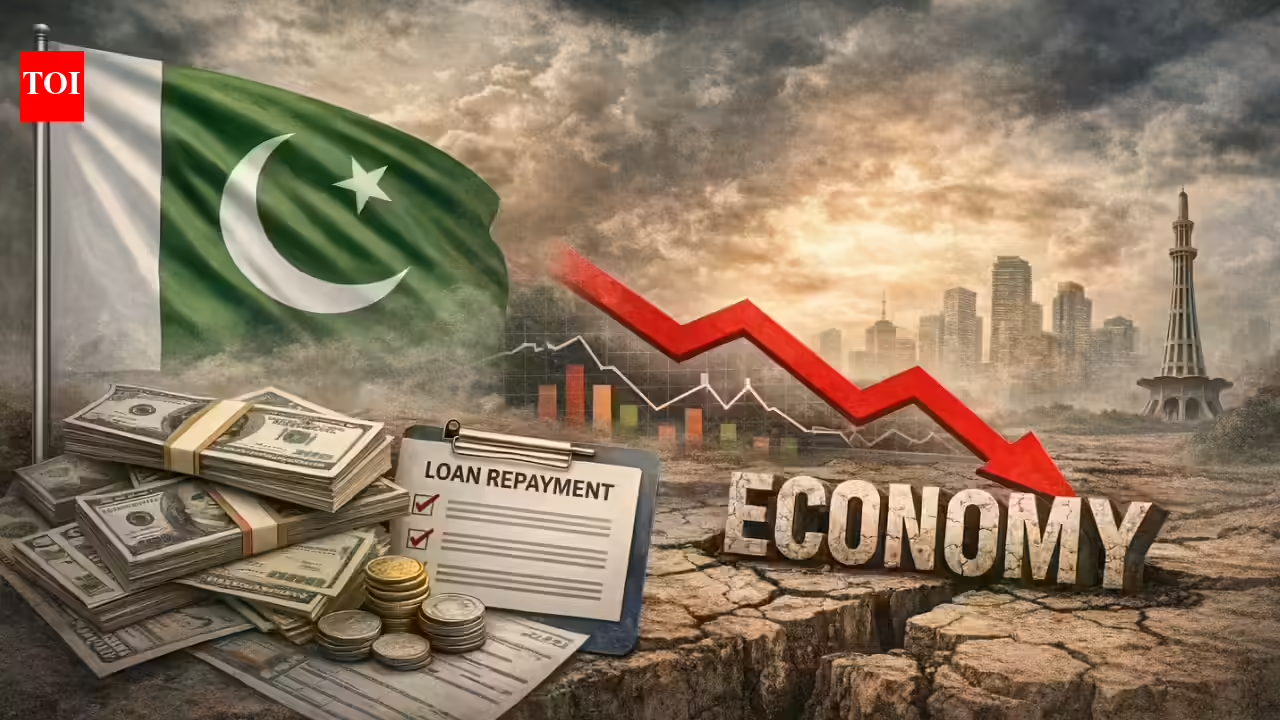
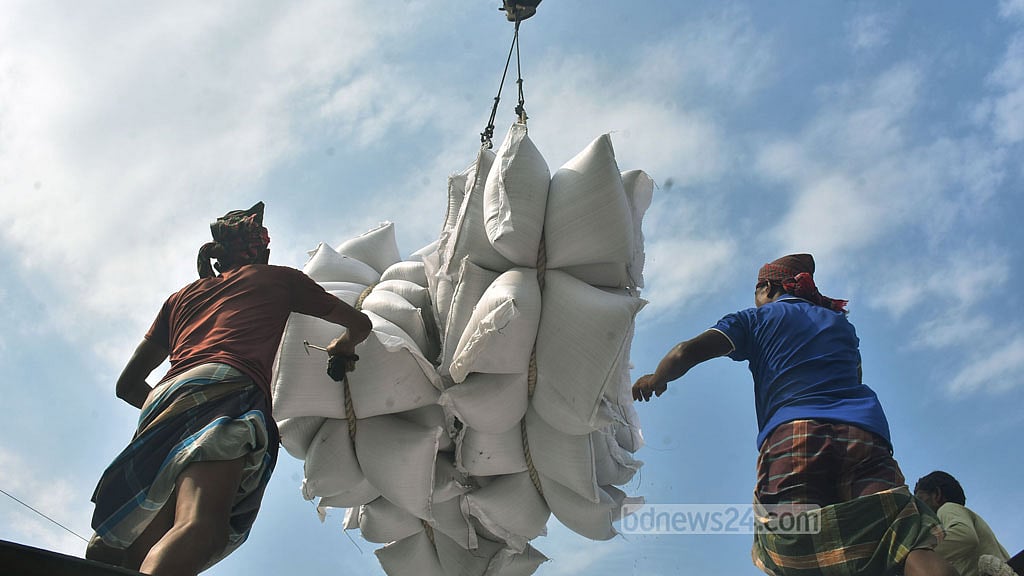
Pakistan’s external trade balance continues to widen beyond normal cyclical swings, pointing instead to deeper structural constraints that have accumulated over decades. Despite periodic policy interventions and short-term stabilisation efforts, the underlying pattern remains unchanged: import growth consistently outpaces export earnings, leaving the economy dependent on external inflows to bridge a persistent gap.
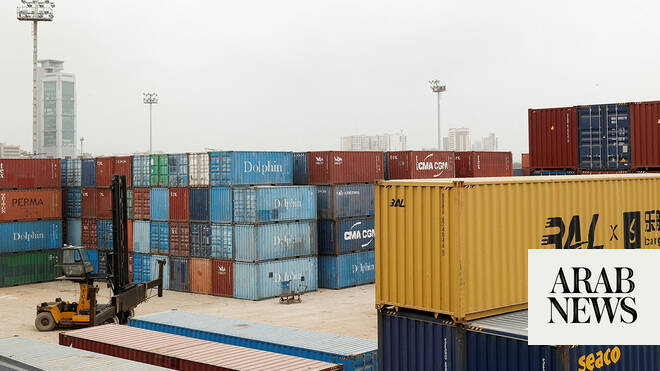
During the first 11 months of the current fiscal year, the trade deficit widened by 17.48 per cent year-on-year to $34.76 billion from $29.58bn in the corresponding period of the previous fiscal year. Export earnings declined by 5.61pc to $27.91bn, while imports rose 5.94pc to $62.66bn.
Earlier, in the entire last fiscal year, the trade deficit widened by 9pc to $26.3bn from $24.1bn a year ago. Although exports rose 4.7pc to $32.1bn, imports increased even faster by 6.6pc to $58.4bn, demonstrating a persistent pattern in which import growth outpaces export earnings.
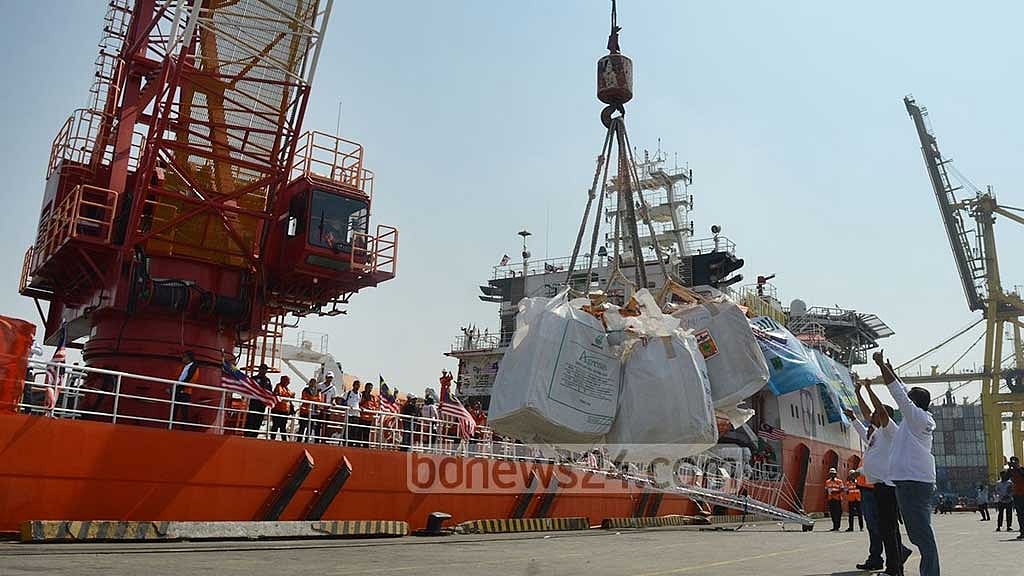
Energy remains perhaps the single largest reason Pakistan struggles to achieve a trade surplus. The country imports large quantities of crude oil, petroleum products, LNG, coal, and industrial fuels. During the first 11 months of FY26, petroleum imports exceeded 14m metric tonnes, up 7pc in volume from a year earlier.