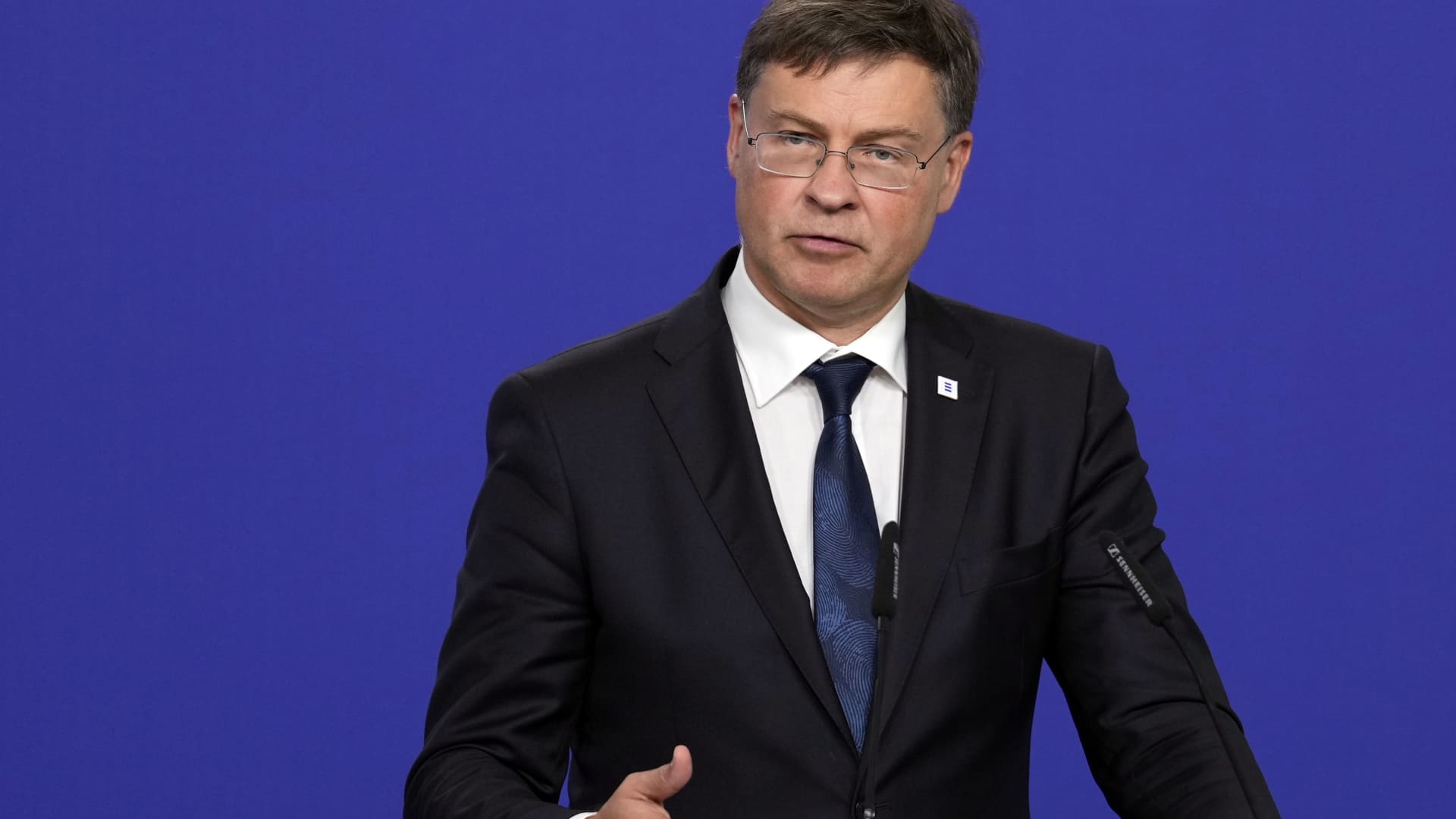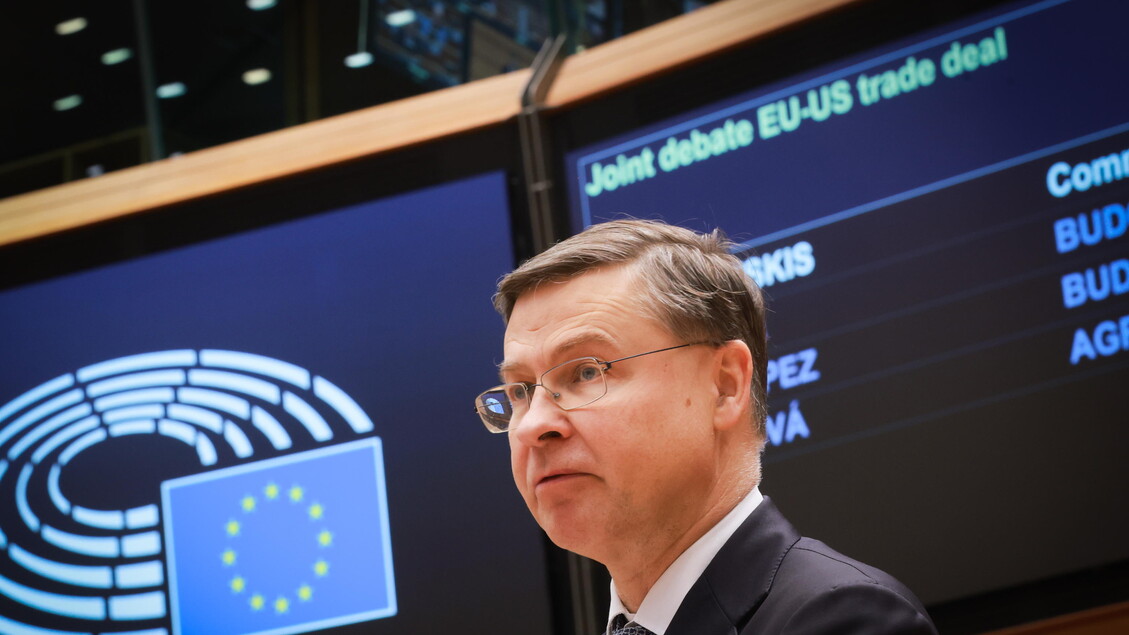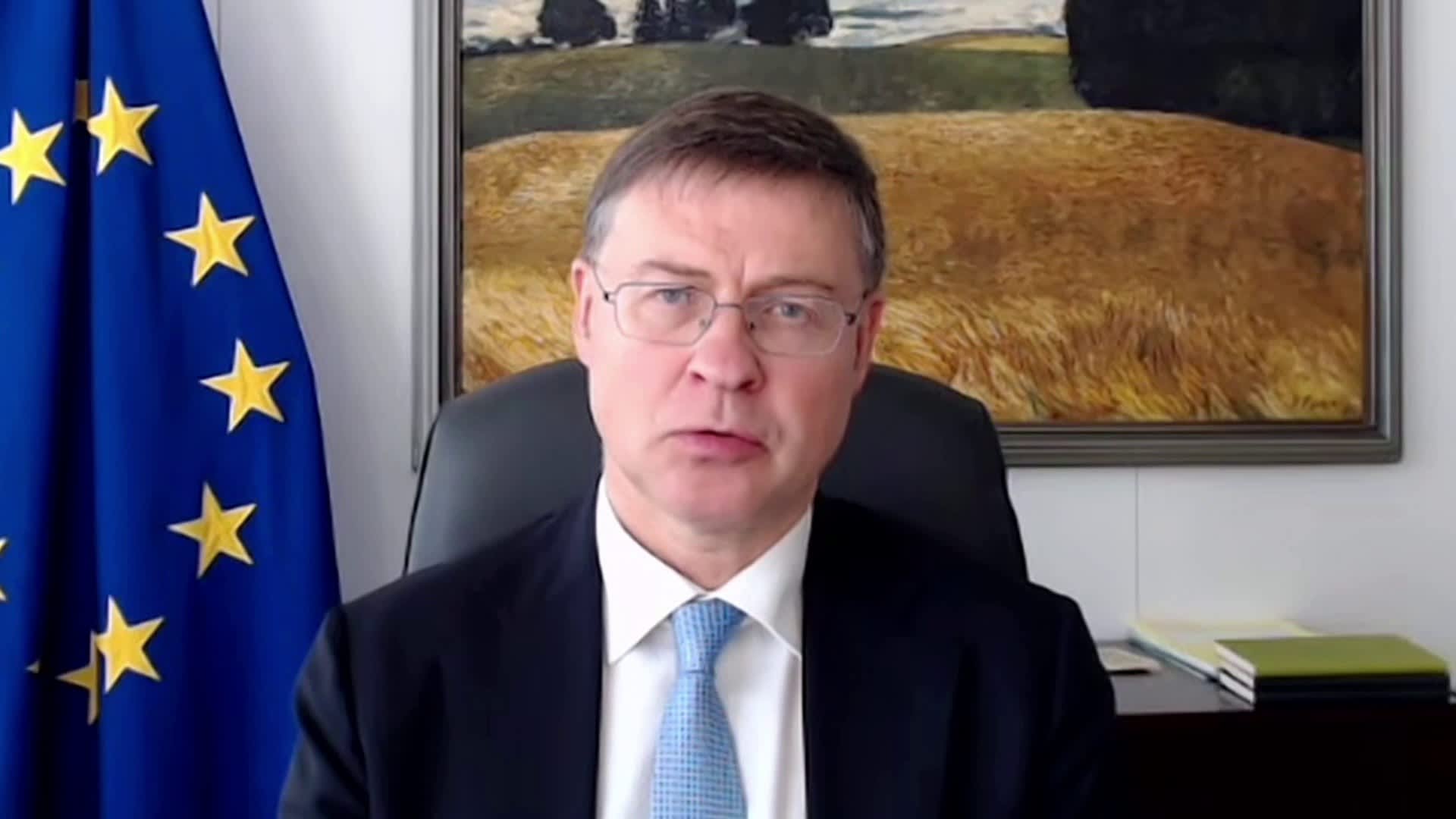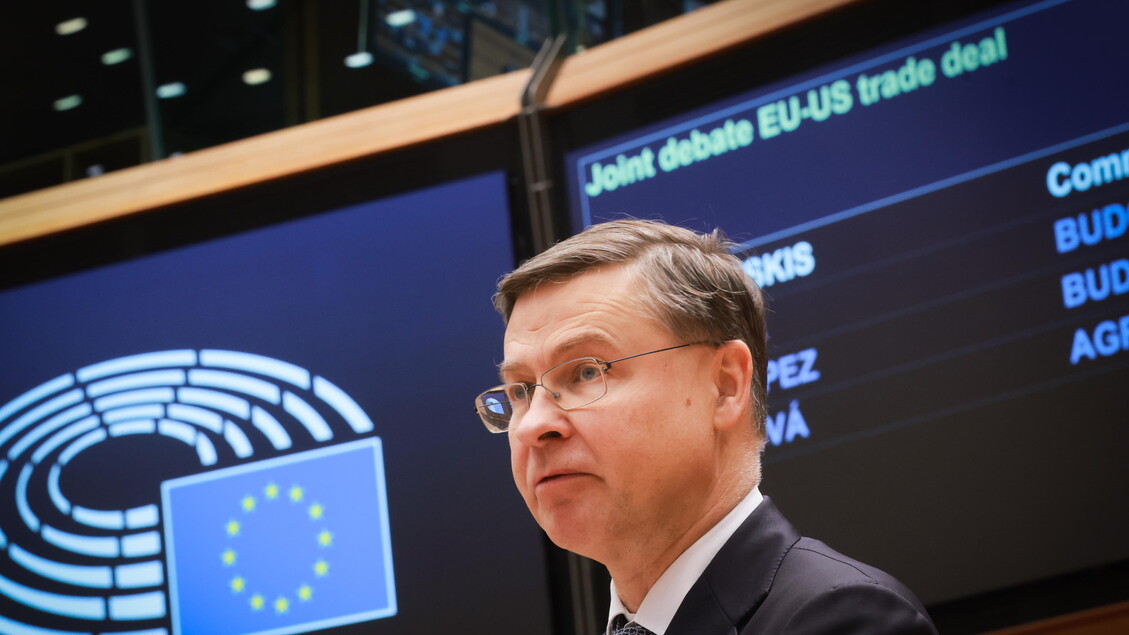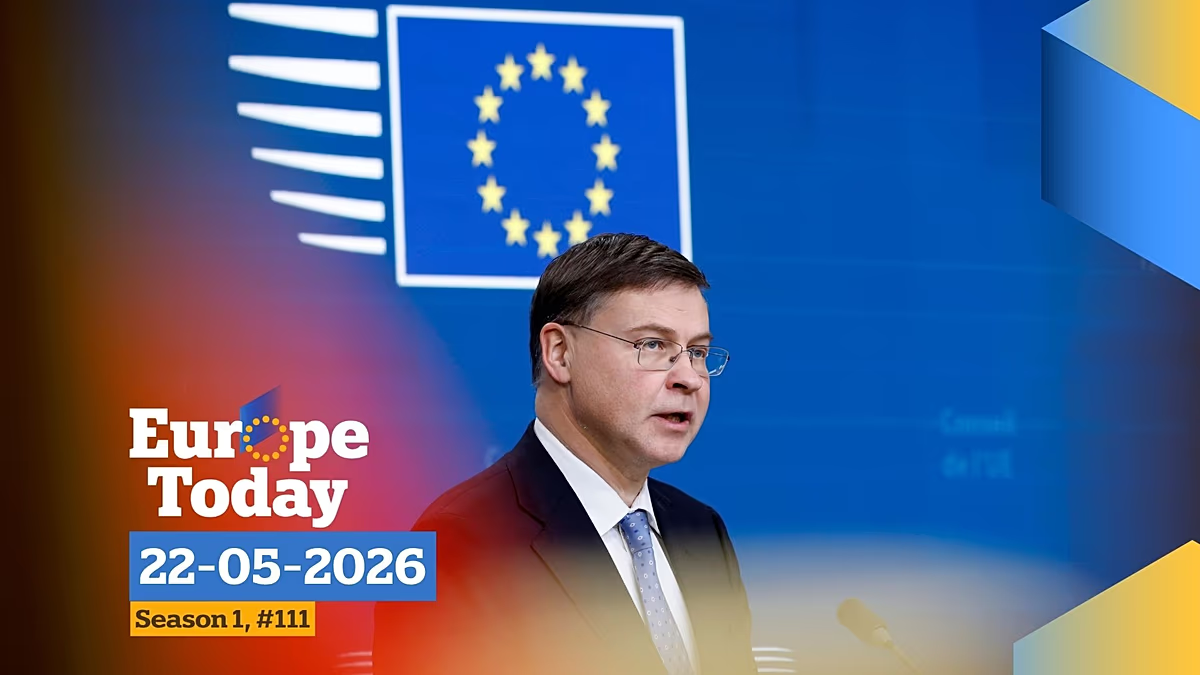
Valdis Dombrovskis, the EU’s Economy Commissioner, delivered a blunt message on May 22: Europe needs to respond to rising inflation, and the response won’t be painless. The Spring 2026 Economic Forecast backing up that warning is the kind of document that makes central bankers reach for the antacids.
The European Commission now projects inflation hitting 3.1% for 2026. That’s a full percentage point higher than what they predicted just last autumn. At the same time, EU GDP growth has been slashed to 1.1%, down 0.3 percentage points from prior estimates. When prices go up and growth goes down simultaneously, economists have a word for it, and it’s nobody’s favorite: stagflation.
The numbers behind the stagflation scare
Look, inflation bouncing around isn’t unusual. What makes this revision notable is its size and speed. A one-percentage-point upward revision in a single forecast cycle is significant by European Commission standards, where economic projections tend to move in cautious increments.
Dombrovskis described the current economic environment as a “stagflationary shock,” estimating its potential GDP impact at somewhere between -0.2 and -0.6 percentage points. In English: the European economy is getting squeezed from both directions, slower growth and faster price increases, with no clear exit ramp.