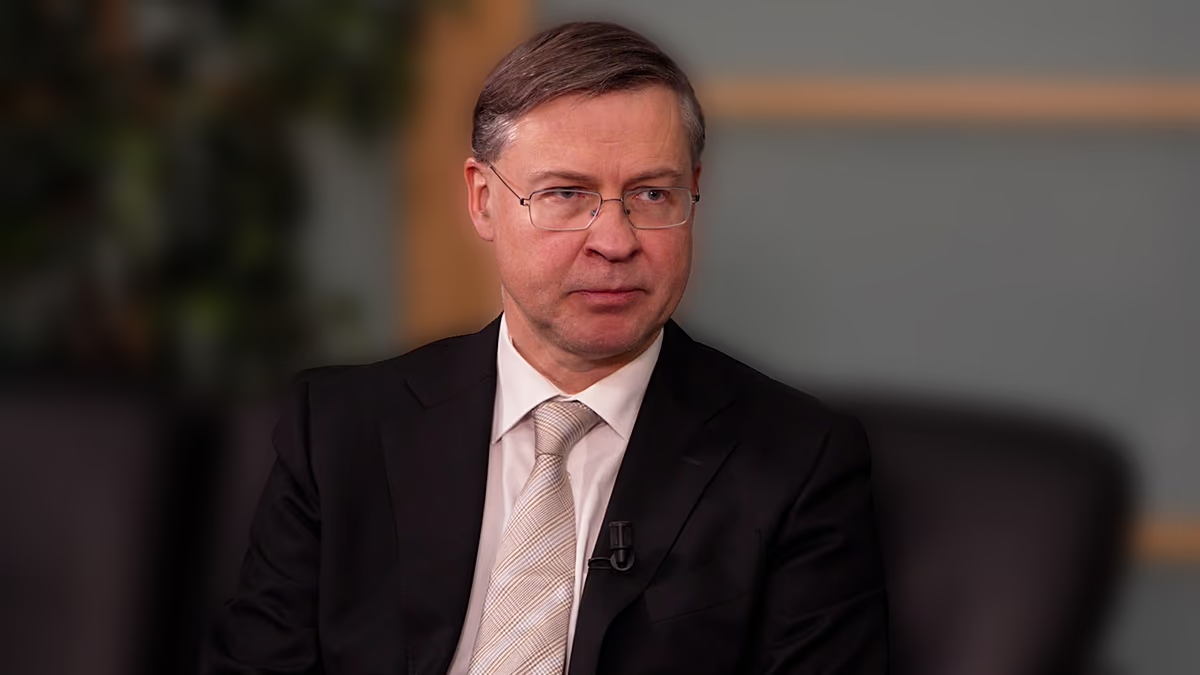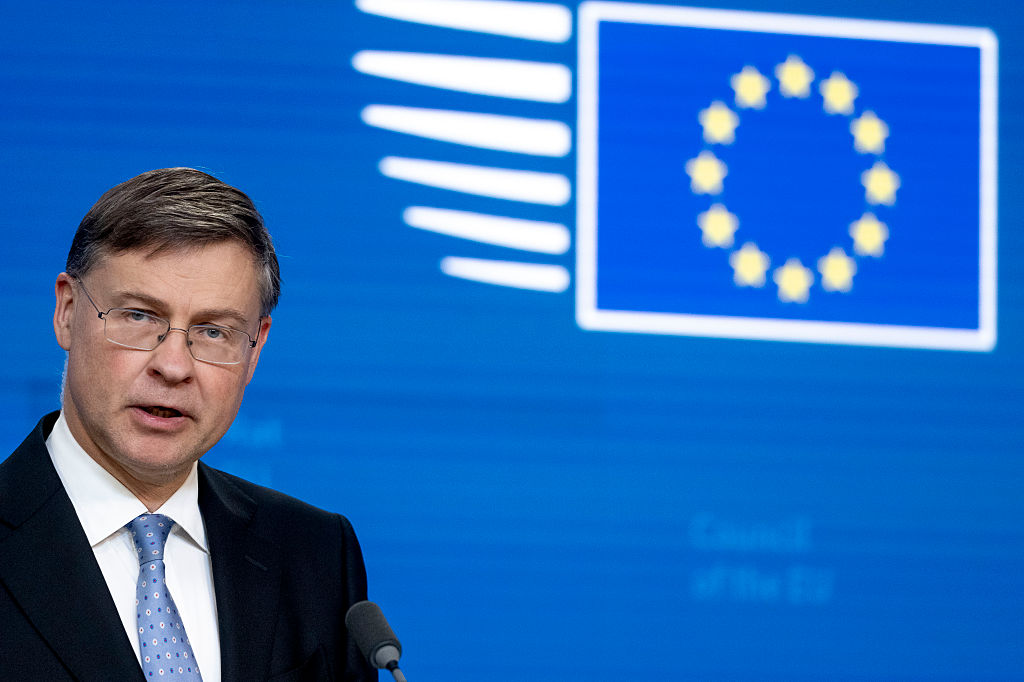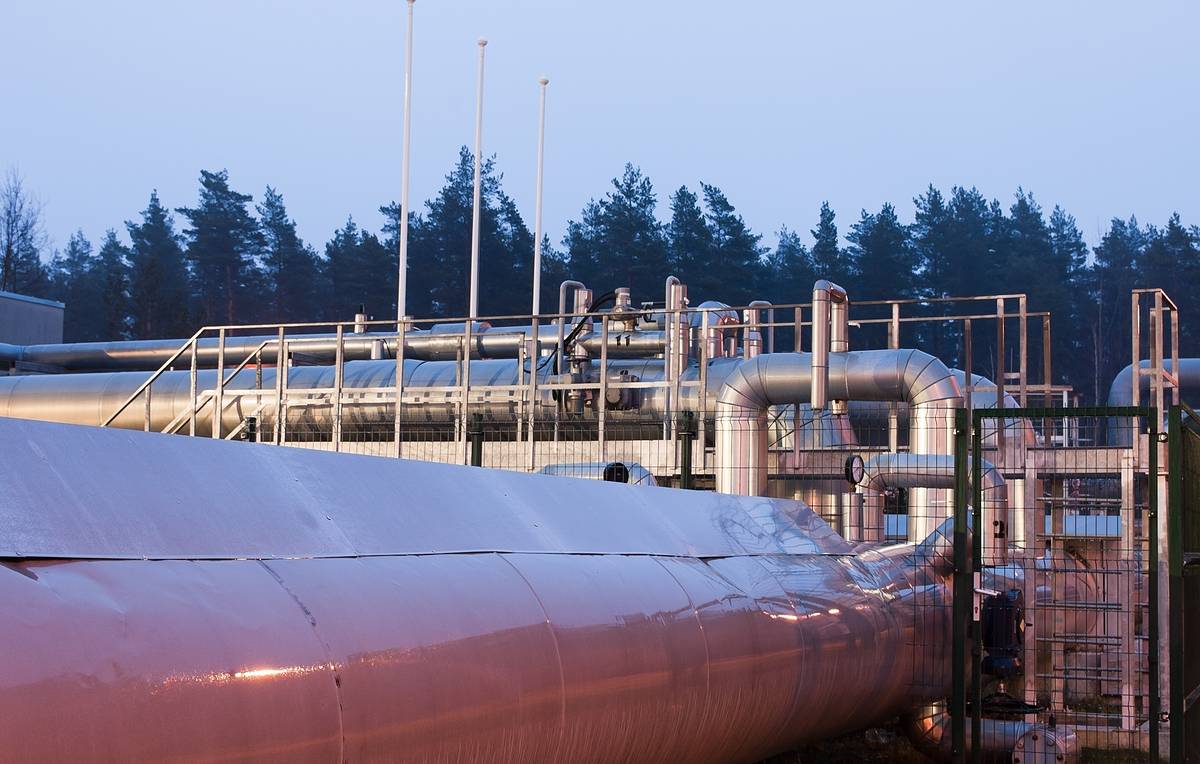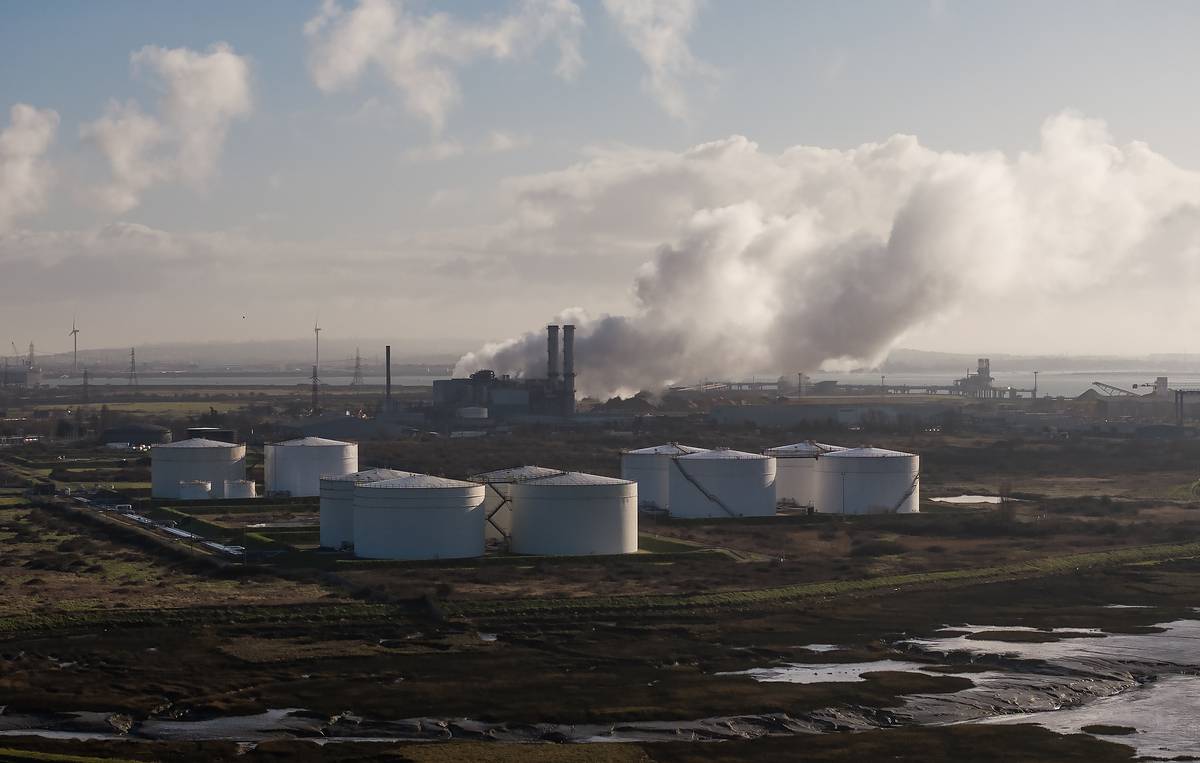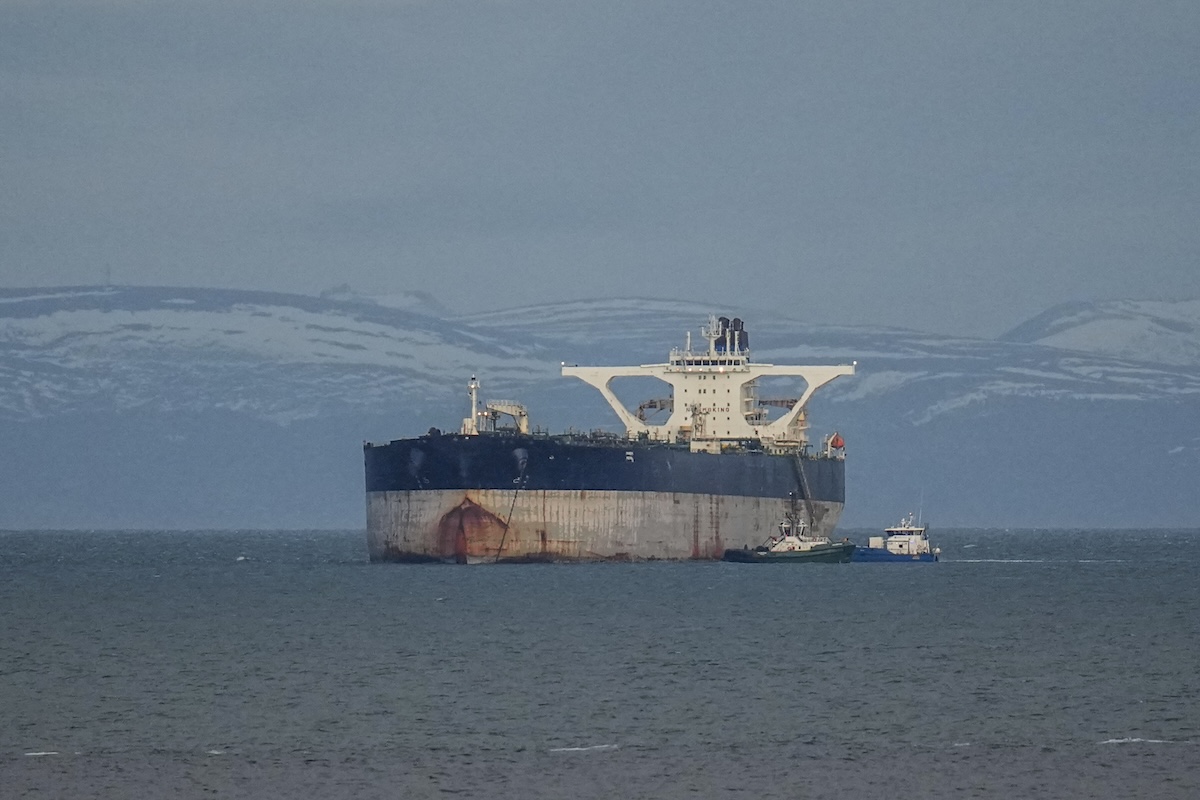
European Commissioner for the Economy Valdis Dombrovskis has made the EU’s position crystal clear: no amount of energy pain will convince Brussels to soften its sanctions on Russian oil and gas. In remarks delivered this week, Dombrovskis accused Moscow of deliberately milking the ongoing Middle East crisis to boost its fossil fuel revenues.
The statement comes as energy prices across the continent remain stubbornly elevated, squeezing consumers and businesses alike. For crypto markets, which have become increasingly sensitive to macroeconomic stress signals, the EU’s refusal to budge on sanctions extends the uncertainty around inflation, interest rates, and risk appetite.
What the EU is actually doing
The bloc adopted its 20th sanctions package against Russia in April 2026, a milestone that expanded maritime service bans and tightened enforcement mechanisms targeting Moscow’s energy export infrastructure. Think of the price cap on Russian oil as a speed limiter on a highway: it doesn’t stop the car, but it forces it to go slower than the driver wants.
The results have been significant. Russian oil and gas revenues have dropped nearly 80% compared to pre-war levels, according to Dombrovskis. That’s a staggering decline for a country whose federal budget was once overwhelmingly dependent on hydrocarbon exports.