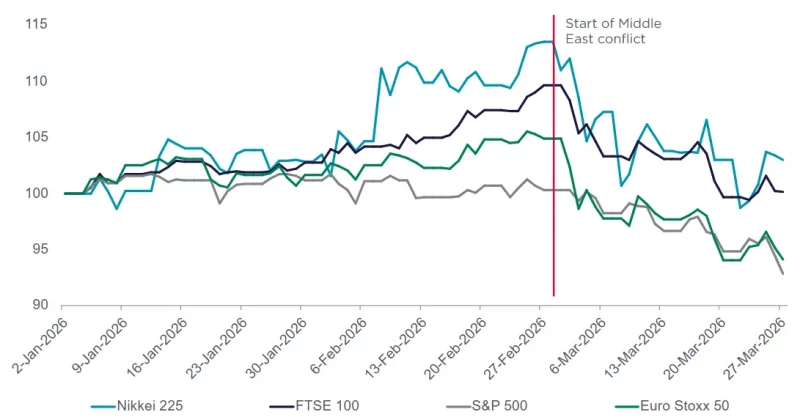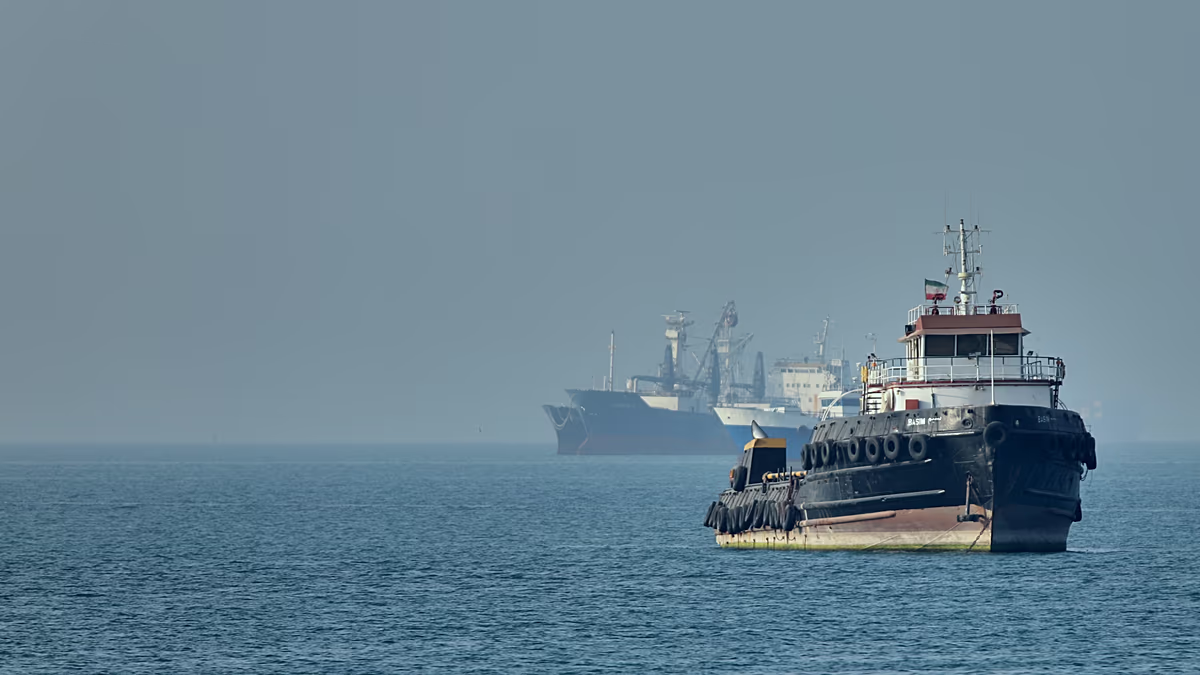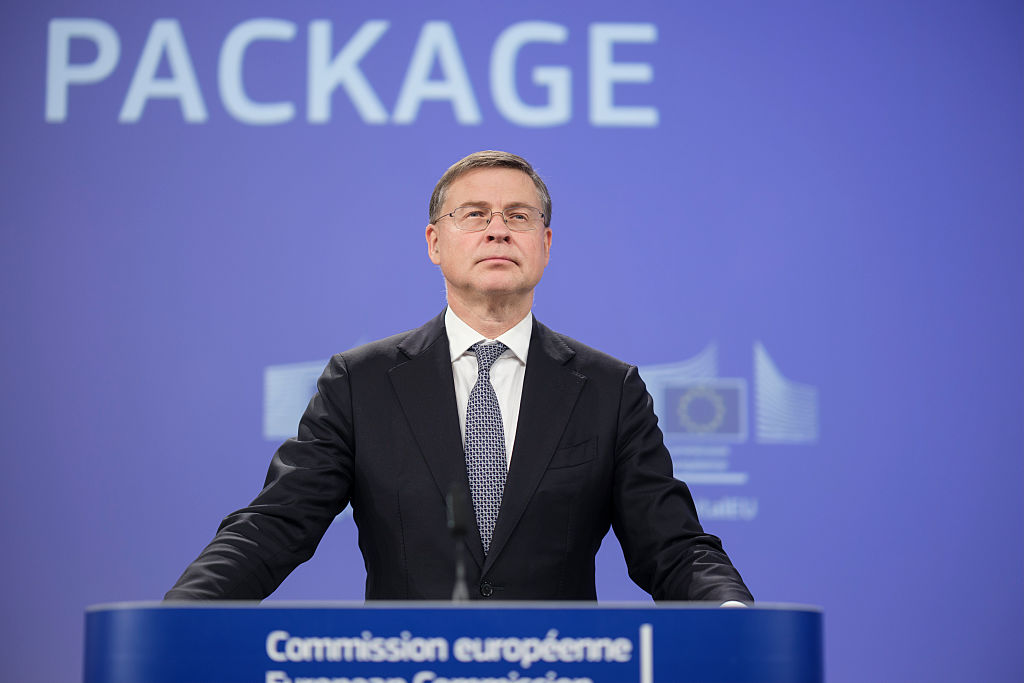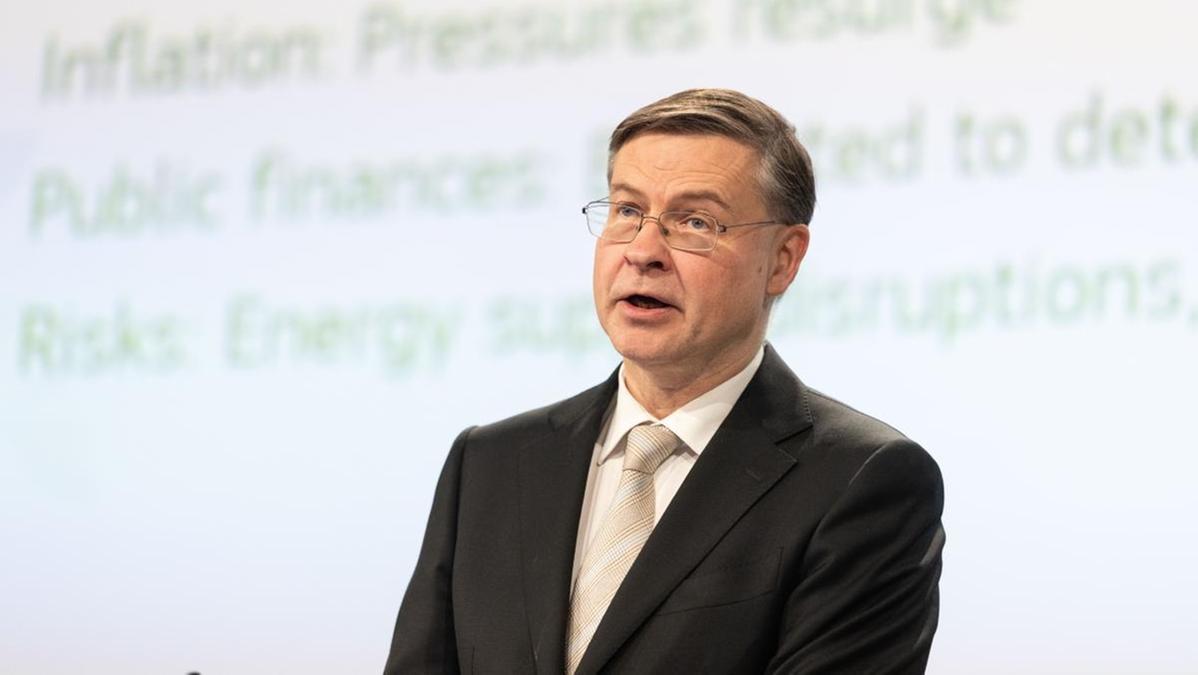
BRUSSELS – The new energy crisis caused by the conflict in the Middle East is leading the European Union economy into a phase of lower growth and higher inflation, according to the European Commission’s spring forecasts for 2026. Brussels estimates that growth in the EU will slow to 1.1% and in the eurozone to 0.9%, as soaring energy prices weigh on consumption, limit investment and increase production costs.
At the same time, inflation is expected to increase to 3.1% in the EU and 3% in the euro area in 2026, significantly higher than previous forecasts, driven by rising energy costs.
Greece continues to grow at a rate higher than the euro area average, but the Commission sees a clear slowdown due to the impact of the energy crisis. Greek GDP is forecast to grow by 1.8% in 2026 and 1.6% in 2027, down from 2.1% in 2025, as higher energy costs reduce households’ real disposable income and dampen private consumption.
Inflation in Greece is expected to rise to 3.7% in 2026 — above the euro area average — as energy costs are passed on to electricity, fuel and wider goods and services prices. The Commission forecasts a slowdown to 2.4% in 2027, but notes that secondary inflationary pressures will remain strong due to wage increases and a tight labor market.