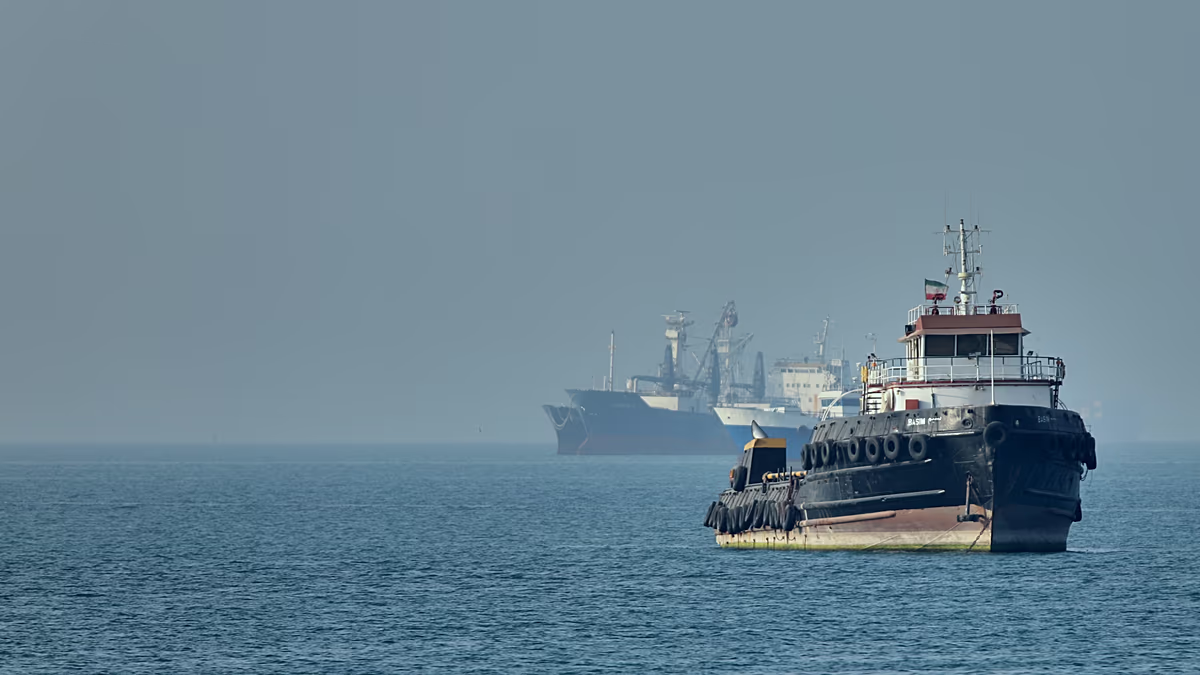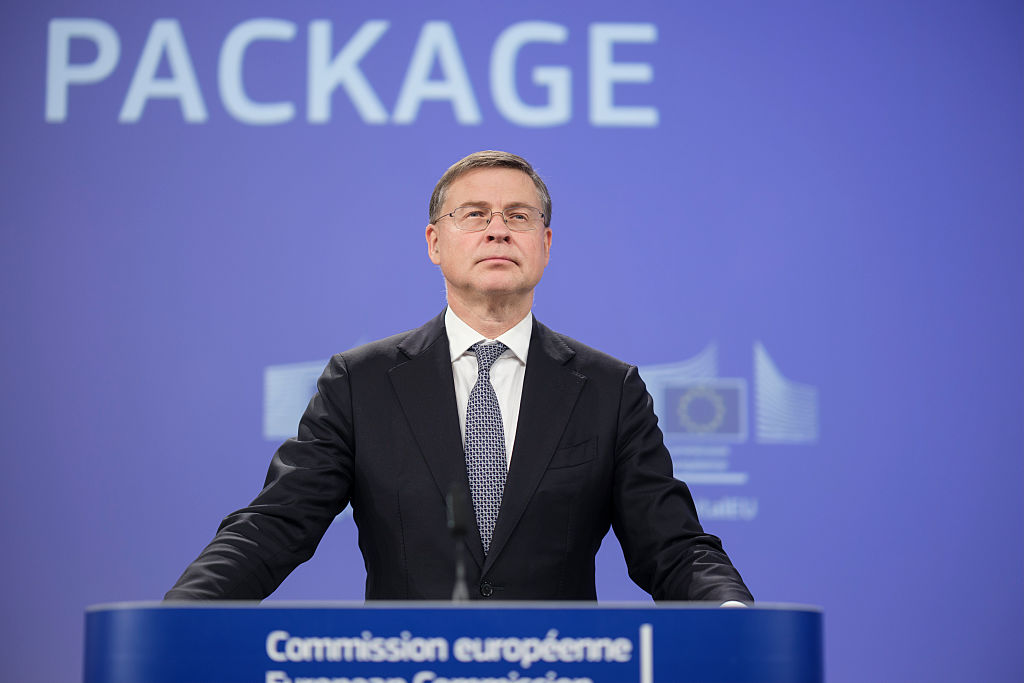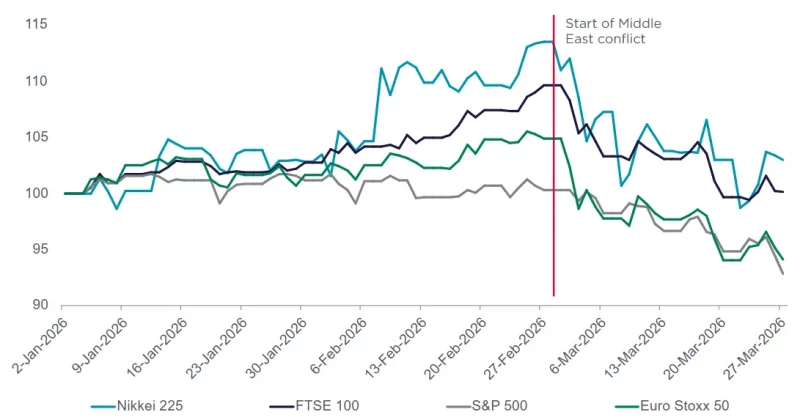
The European Commission just slashed its growth outlook for the bloc, trimming expectations from 1.4% to 1.1% for the current year. The culprit is familiar: energy prices, driven skyward by the ongoing conflict in the Middle East, are once again acting as a tax on the entire European economy.
In its latest round of economic forecasts, the EU’s executive arm warned that the war is feeding directly into higher inflation and ballooning public debt across member states. For anyone who lived through 2022’s energy crisis following Russia’s invasion of Ukraine, this has a distinctly “here we go again” quality.
The energy shock, by the numbers
Fossil fuel import costs for the EU surged by $22 billion in just 44 days as the Middle East crisis intensified. That is not a typo. Forty-four days, twenty-two billion dollars in additional energy spending that flows straight out of the European economy and into commodity markets.
The European Central Bank now projects euro area inflation will climb to 3.1% in the second quarter of 2026 before beginning to ease, with core inflation stabilizing around 2.3%. Those figures sound manageable in isolation, but they represent a meaningful reversal from the disinflationary trend the ECB had been cautiously celebrating.