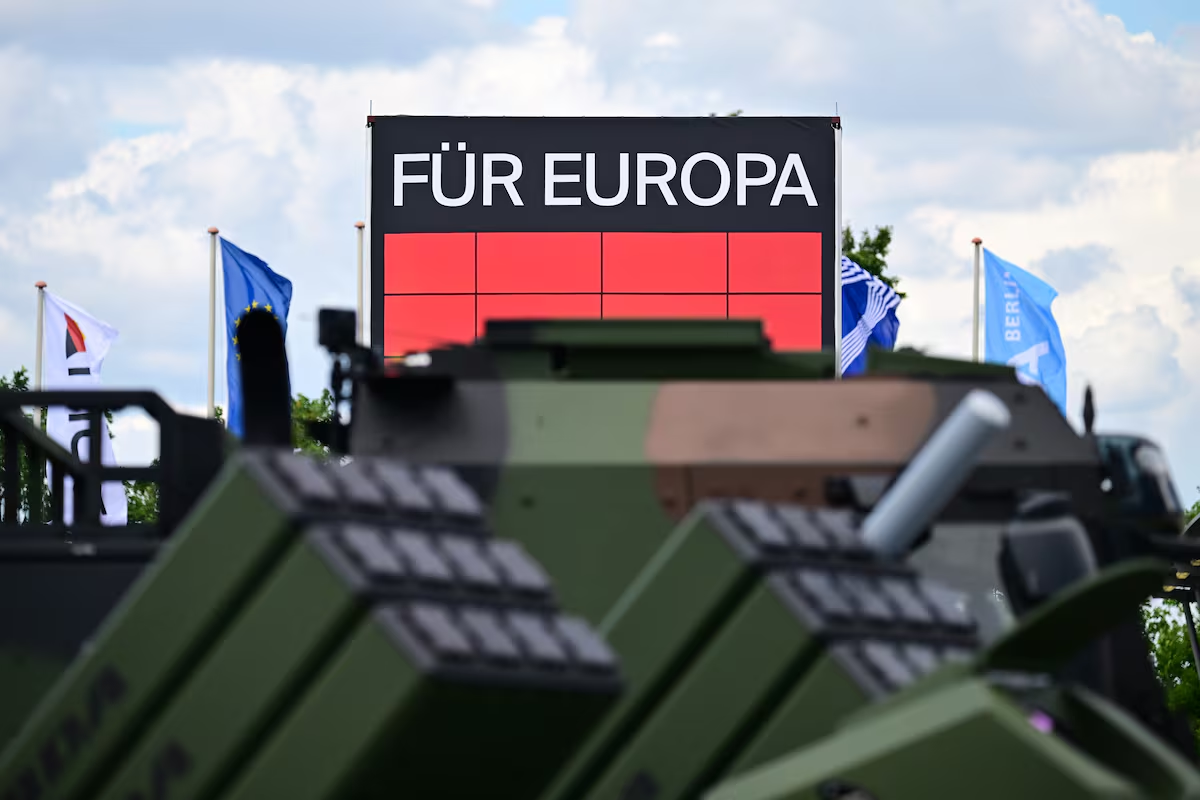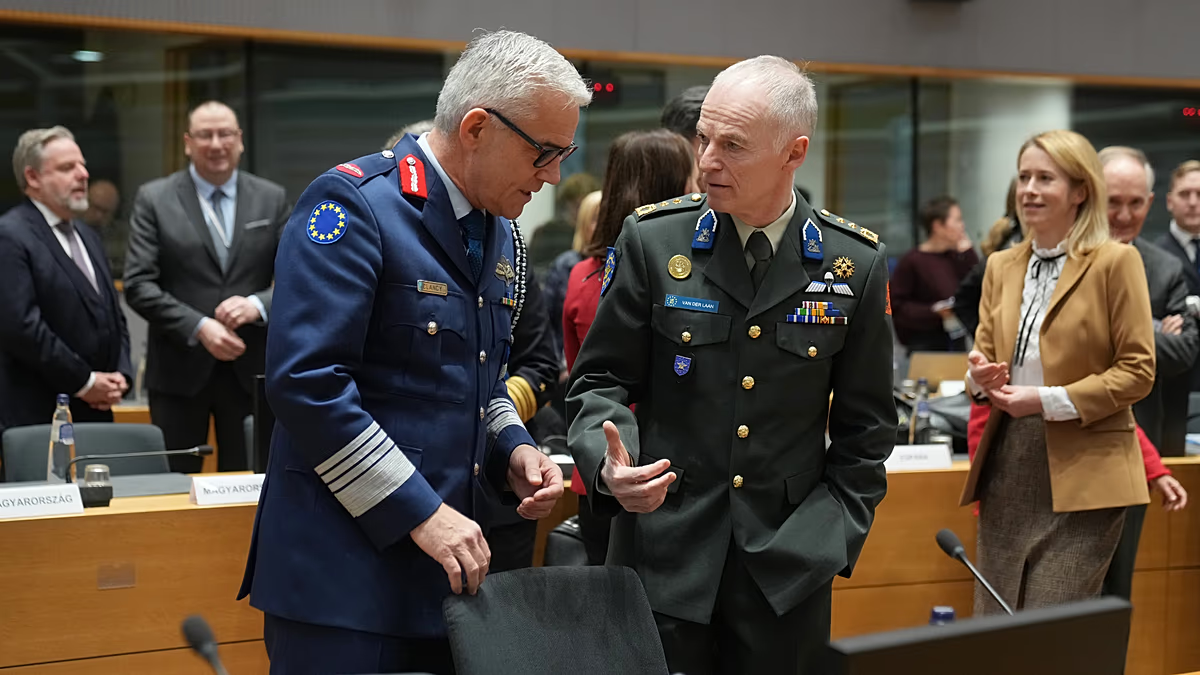
Across European Union policy circles, a decisive shift is underway. The language of globalization — efficiency, interconnected supply chains, frictionless markets — has given way to a new vocabulary: resilience, sovereignty, strategic autonomy.
Budgets are being redirected, industrial strategies rewritten, and political consensus is emerging around the need for Europe not just to compete, but to withstand disruption and operate independently in times of crisis. This is not about reversing globalization or retreating from international cooperation; Europe’s strength lies in open markets and global partnerships. But resilience requires ensuring that critical capabilities can be sustained when those systems come under strain.
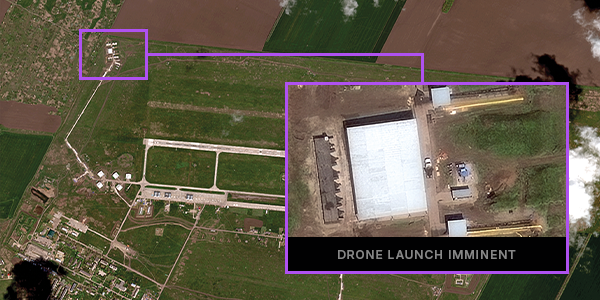
Technological sovereignty is not an abstract goal — it is a force multiplier for European defense. Resilient supply chains reduce dependencies, independent space and communications infrastructure ensures operational continuity, and strong industrial ecosystems enable faster deployment and sustainment of critical capabilities.
Yet policymakers continue to debate why sovereignty matters and how much to invest, with much less attention paid to what capabilities Europe must actually build. As the focus moves toward resilience, Europe must look beyond strategy and funding and commit to building the physical infrastructure required to sustain technological and defense capabilities at scale.