https://arab.news/gzzn2
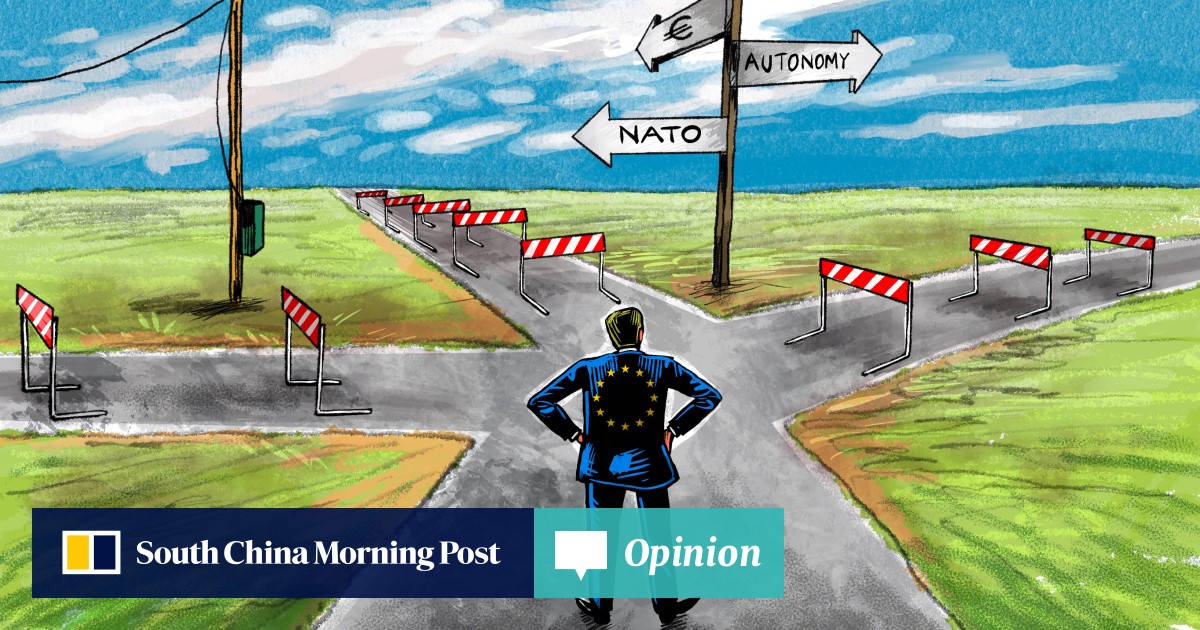
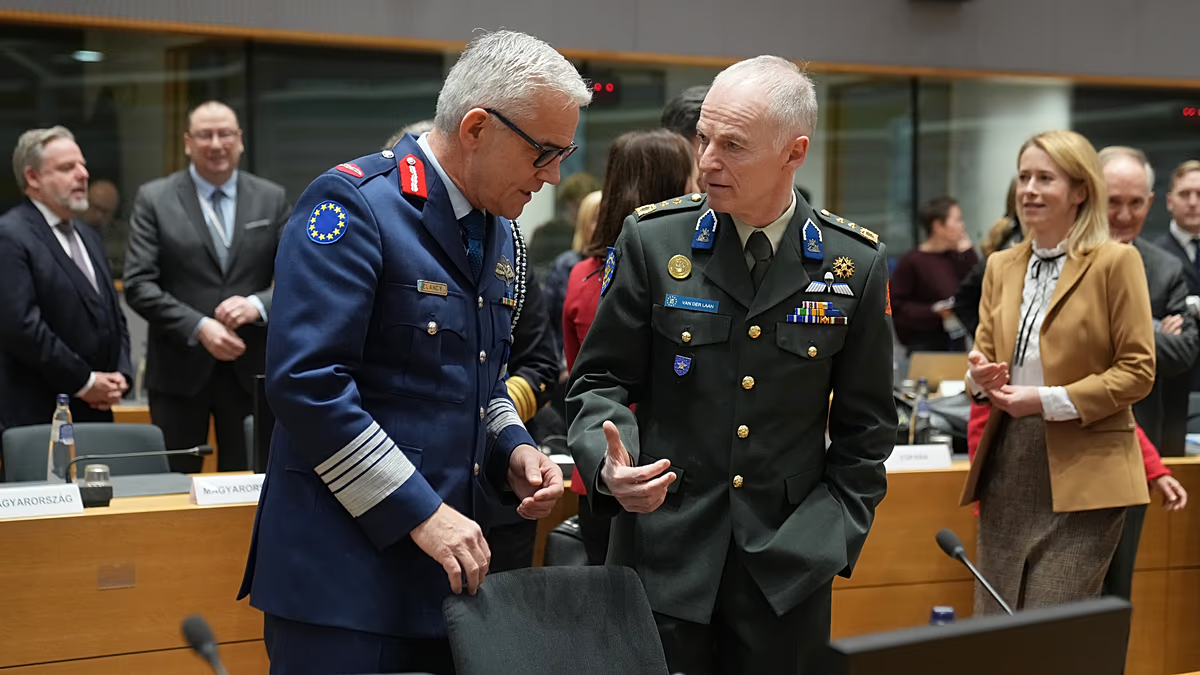
For much of the past year, European leaders have been engaged in a renewed debate about “strategic autonomy.” From Brussels to Paris, policymakers are discussing whether Europe should build a more independent defense capability, sometimes framed in terms of a future European army. The conversation has gained urgency as the US continues its long-signaled strategic pivot toward the Indo-Pacific and asks European allies to shoulder a greater share of their own security.
Yet this debate is missing the most difficult question. The real challenge is not institutional design, procurement budgets or command structures. It is whether European societies are politically prepared to sustain the human cost of modern warfare.
The war in Ukraine has offered a sobering reminder of what high-intensity conflict between industrial powers actually looks like. According to Western intelligence estimates, Russia has suffered well over 300,000 casualties since the full-scale invasion began in 2022. Ukrainian casualties are also extremely high. While exact figures remain contested, the losses run into the hundreds of thousands.
These numbers are not unusual by historical standards. They are, however, politically extraordinary for modern European democracies. The US lost about 58,000 troops during the entire Vietnam War, a figure that produced years of domestic political upheaval. The UK lost about 456 personnel during the 20-year campaign in Afghanistan, which itself generated sustained political scrutiny.