The EU is striving to bolster its defences, forge an independent foreign policy and grow its economy. Doing all three at once won’t be easy
In 1966, French president Charles de Gaulle withdrew France from the integrated military command of Nato, on the grounds that the United States’ dominance of the transatlantic security alliance undermined not only French sovereignty but that of other European members.
He later signed a cooperation agreement with the Soviet Union, showing by example what autonomous foreign policies could look like for a Europe of sovereign states.
With the fall of the Berlin Wall, many European states opted for a path of integration and centralisation that the French statesman would have eschewed. Their leaders saw much value in pursuing trade, infrastructural and sociocultural integration across the continent.
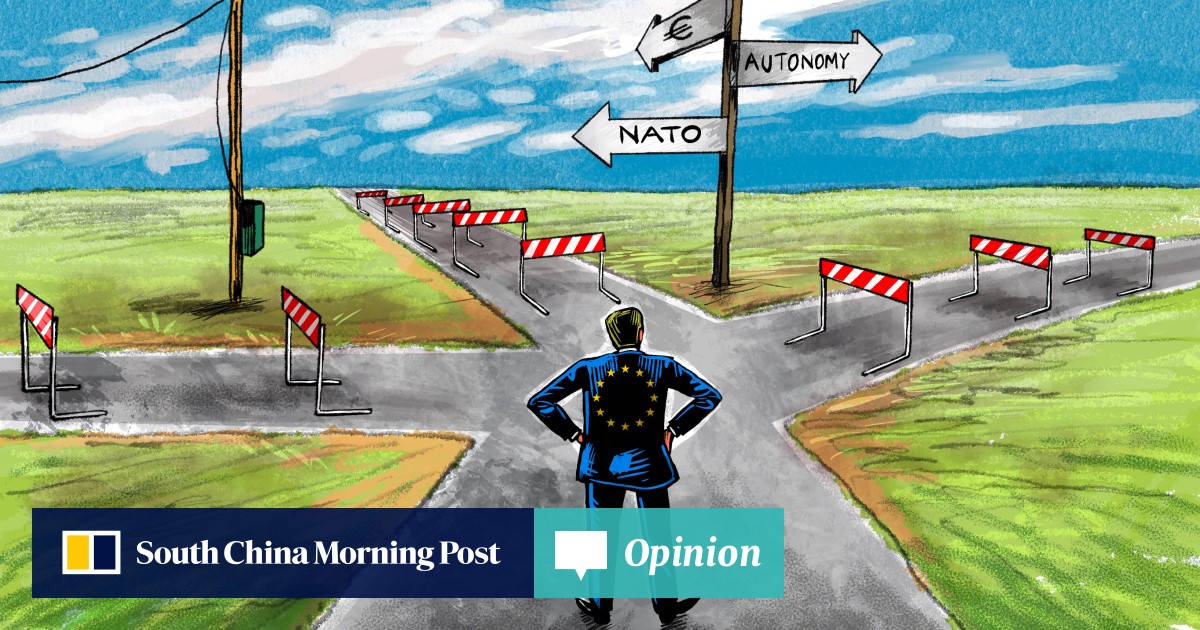
Three and a half years into the invasion, the European Union must recognise that the following three goals cannot be easily accomplished concurrently.