https://arab.news/z4cbb
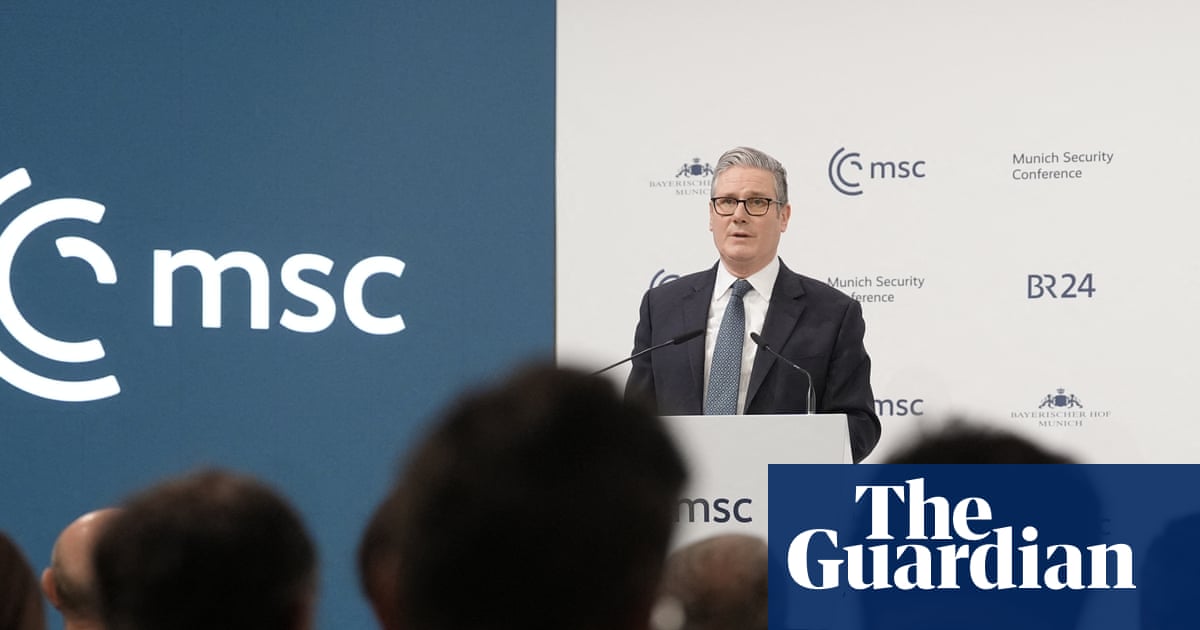
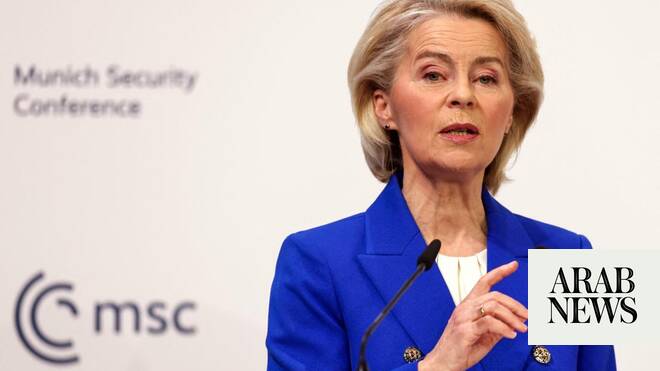
The 2026 Munich Security Conference, held last weekend, was marked by a striking shift in tone. European leaders spoke less about partnership and more about responsibility. The message, implicit but unmistakable, was that the era of automatic American primacy in European security is over. As Washington continues to concentrate strategic attention on the Indo-Pacific, Europe is being asked to assume a far greater share of its own defense burden.
In response, proposals for a European army have resurfaced with renewed intensity. Advocates argue that a continent with more than 400 million people, a vast industrial base and a combined economy comparable to that of the US should not depend indefinitely on external security guarantees. Strategic autonomy, they contend, requires institutional expression.
The aspiration is understandable. The practicality is another matter.
The fundamental obstacle to a supranational European army is not financial capacity. It is political authority. Armed force is the most consequential tool of statecraft. It determines questions of war and peace, life and death. In every democracy, the legitimacy of deploying troops derives from national political accountability. Voters must know who is responsible for sending soldiers into combat and must retain the power to remove those leaders from office.