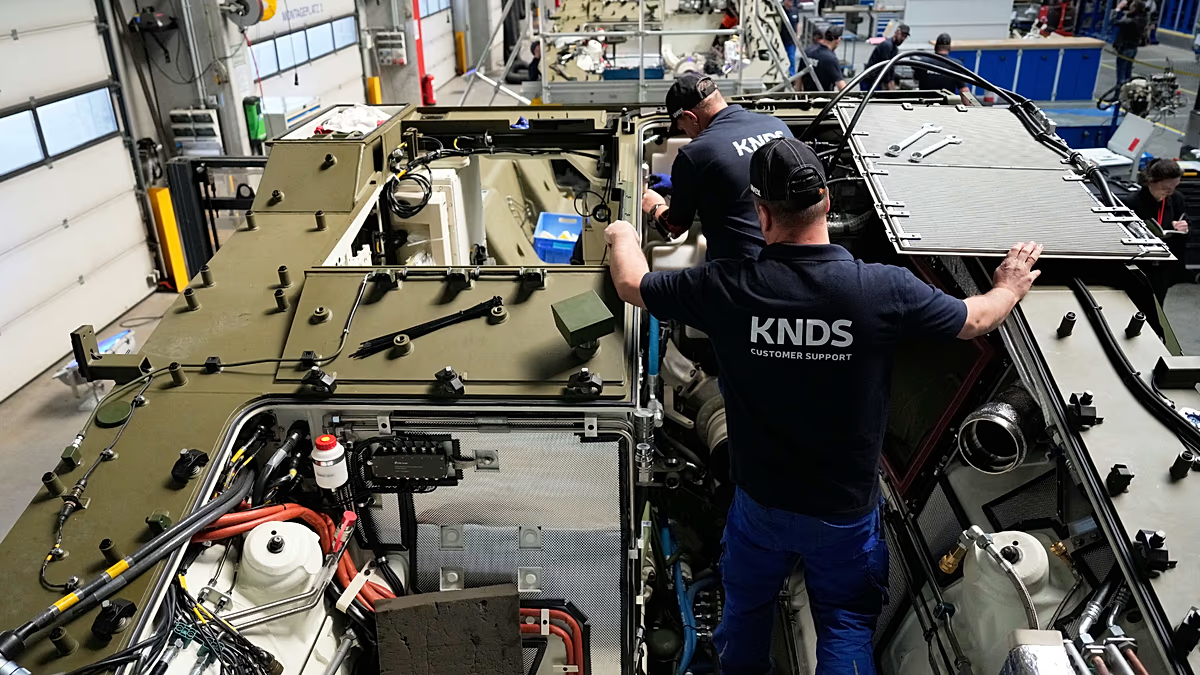
The EU is hopeful it can reach a deal on a raft of measures aiming to slash red tape, increase transparency and supercharge domestic production to respond to growing security threats – but significant issues remain regarding autonomy, risking the continent's security.
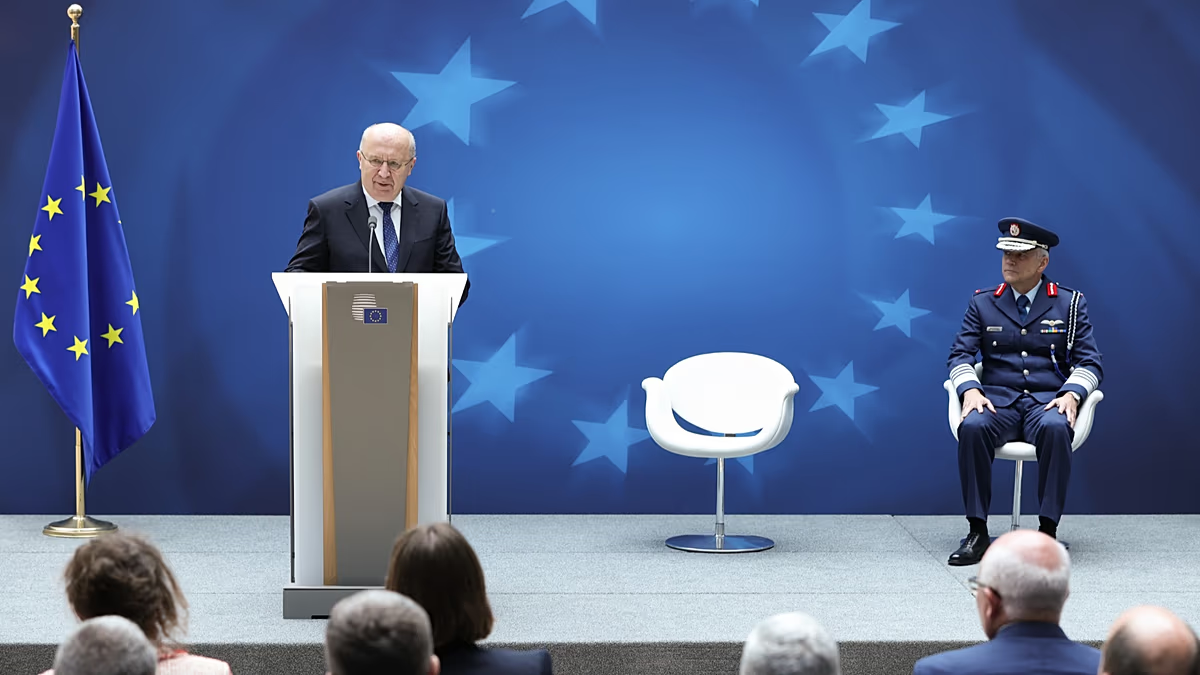
On Tuesday, members of the European Commission, the European Parliament and the Cypriot EU Council presidency representing member states met in Brussels to rubber-stamp the so-called "Defence Readiness Omnibus" — a set of measures proposed a year ago and aimed at streamlining processes for the defence industry.
But divisions have emerged regarding the details of the proposals, particularly the eligibility criteria. The talks expose a longstanding tension between deeper European defence integration and governments’ desire to retain sovereign control over procurement and industrial policy.
Europe's ability to deter aggression and respond to crises has been thrust to the limelight following Russia's full-scale invasion of Ukraine in 2022 amid an increasingly distanced US President Donald Trump from transatlantic relations.
Trump has repeatedly threatened to pull out of the NATO (North Atlantic Treaty Organisation) and has escalated rhetoric about annexing Greenland. The EU high representative Kaja Kallas has warned of Moscow's motivations and stressed the importance of Europe becoming more self-reliant.