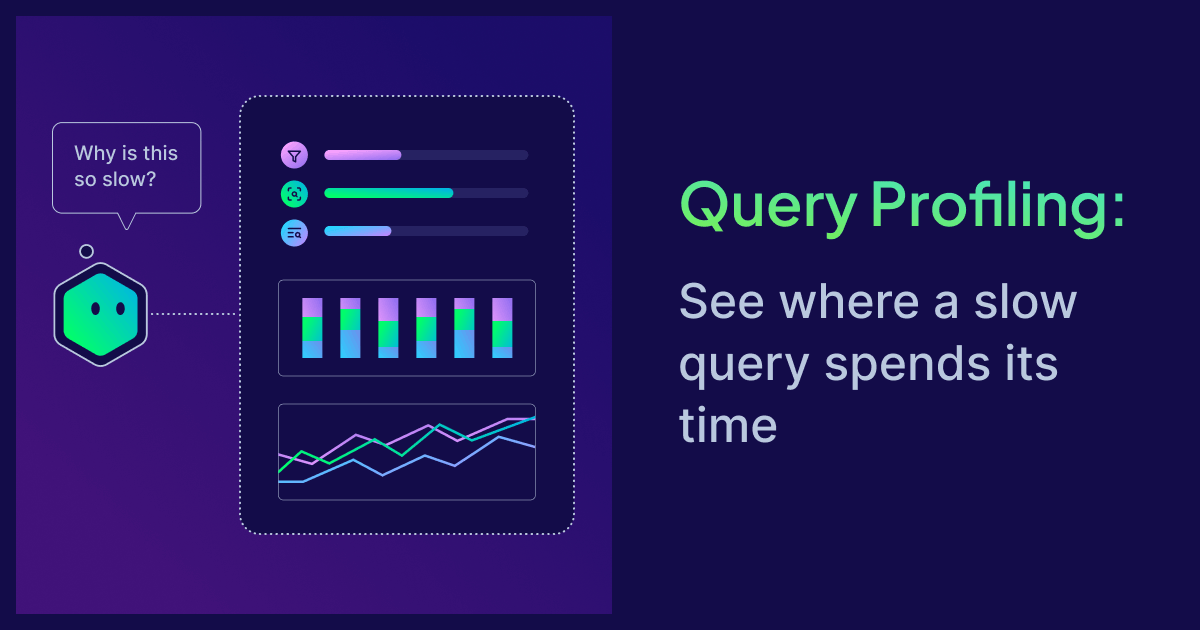
It’s an all too common scenario: You get paged for some queries timing out, but when you investigate, the database performance looks unchanged. Something must have changed, though. If the database doesn’t look overloaded, where are these timeouts coming from?
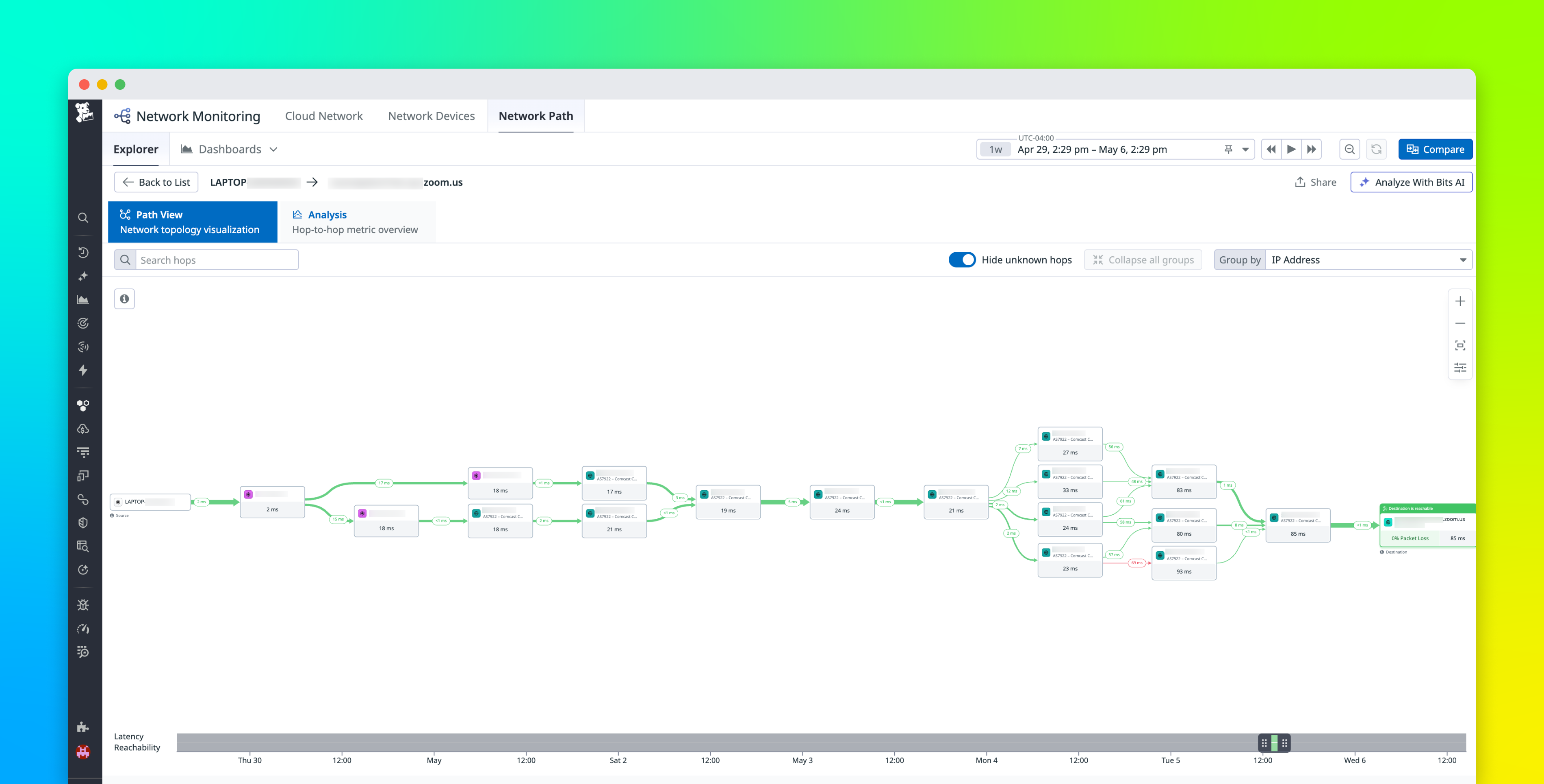
The answer often lies outside the database itself. Round trip query latency includes every hop between your application and the database, including connection pools, load balancers, and proxies. A bottleneck anywhere along that path looks the same from the outside.
In this post, we’ll show how Datadog’s correlated Database Monitoring (DBM) and Application Performance Monitoring (APM) data lets you decompose round trip latency so that you can pinpoint exactly where to look.
Round trip latency involves more than the database
Database query latency is more nuanced than a single number. A database process executes a query, but those results must be transferred over a network and decoded by an application. In between, load balancers, connection pools, and other proxies are often used, all introducing their own latency overhead. What a user or client ultimately experiences is the round trip latency of the query including all of the waypoints along the way.