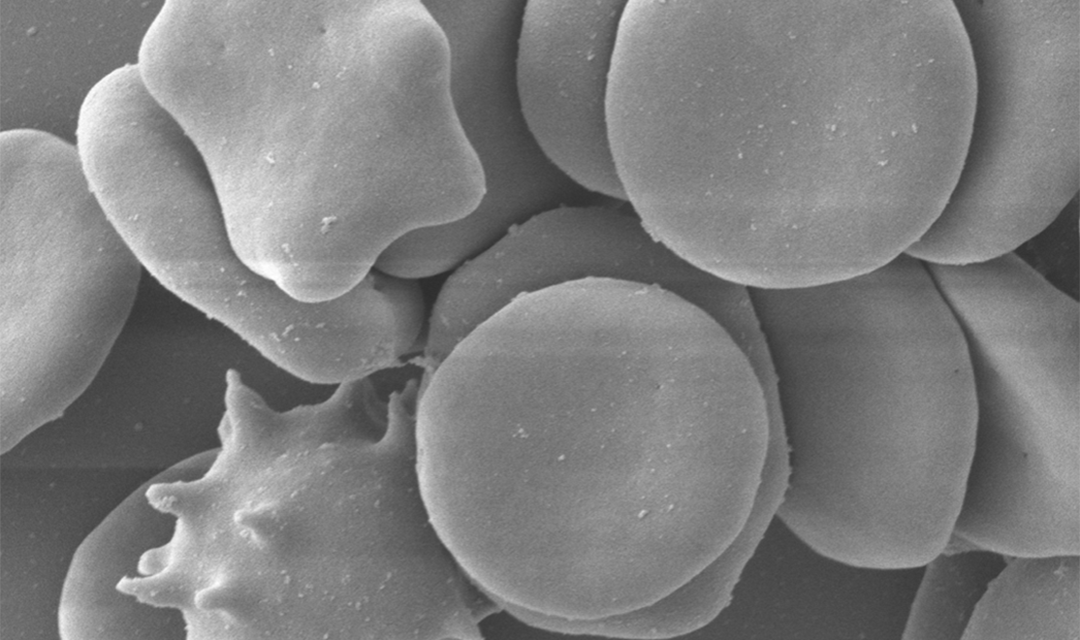
Looking at a sample of parasite-infected blood, researchers at Carnegie Mellon University noticed the unexpected movement of red blood cells. Due to their simple structure, red blood cells are unable to move on their own. So what was happening to them?
Like someone stealing a car to flee from the police, the parasite Babesia microti uses red blood cells to migrate. The newly discovered phenomenon may be a way for it to hide and escape from white blood cells, which do not typically attack red blood cells.
\
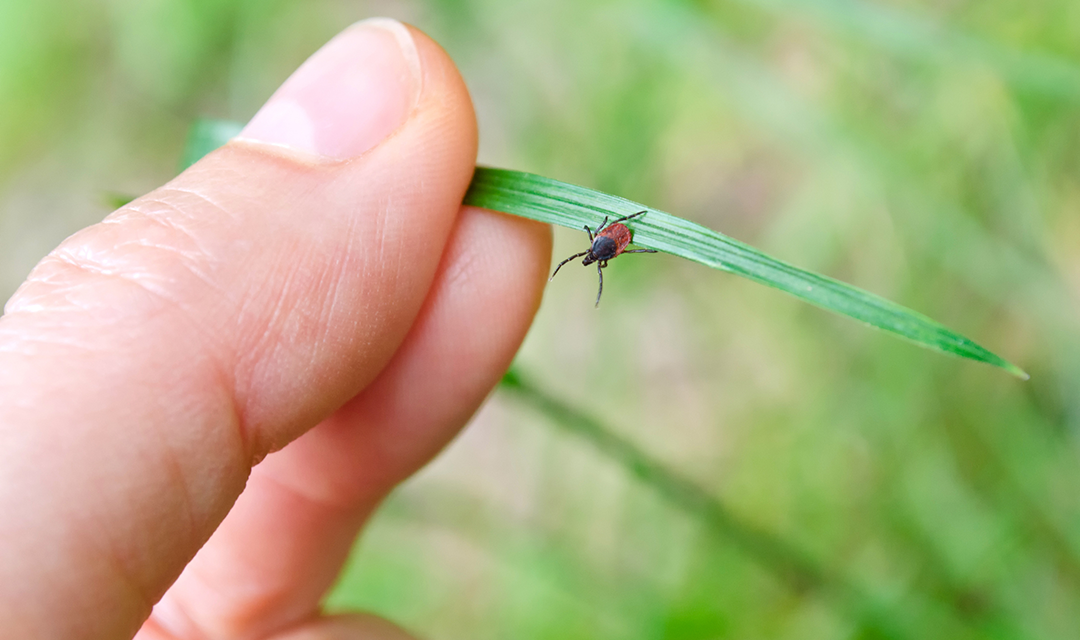
When it enters the bloodstream and invades red blood cells, the parasite causes the infection Babesiosis, with symptoms similar to malaria. It is transmitted by tick bite, and cases are becoming more common in the Northeast, Mid-Atlantic, and Upper Midwest United States.
Because Babesia microti and other parasites are difficult to study in the lab, Tagbo Niepa and Chao Li built a microfluidic system for monitoring infected blood. Their μ-Blood platform makes it easier to study the life cycle of the parasite outside of the host system and watch its behavior over time.