Babesiosis is an infectious disease that manifests like malaria and spreads like Lyme disease. Once rare in the United States, it is now becoming more prevalent, particularly in the Northeast, Mid-Atlantic, and Upper Midwest.
To help scientists learn more about Babesiosis, researchers at Carnegie Mellon University developed a new platform for monitoring the infection in red blood cells.
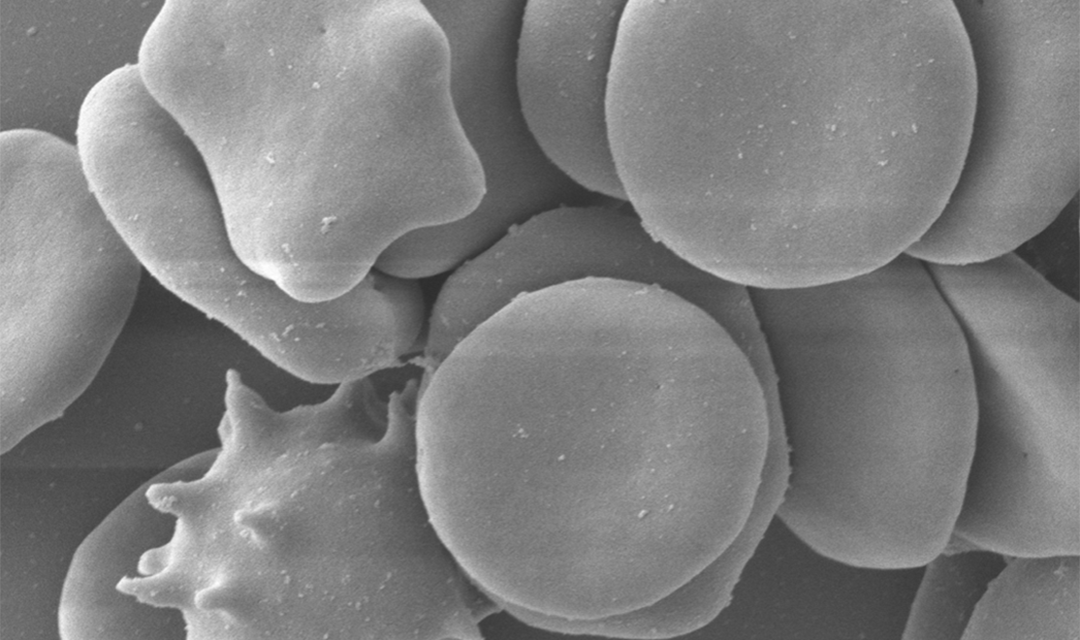
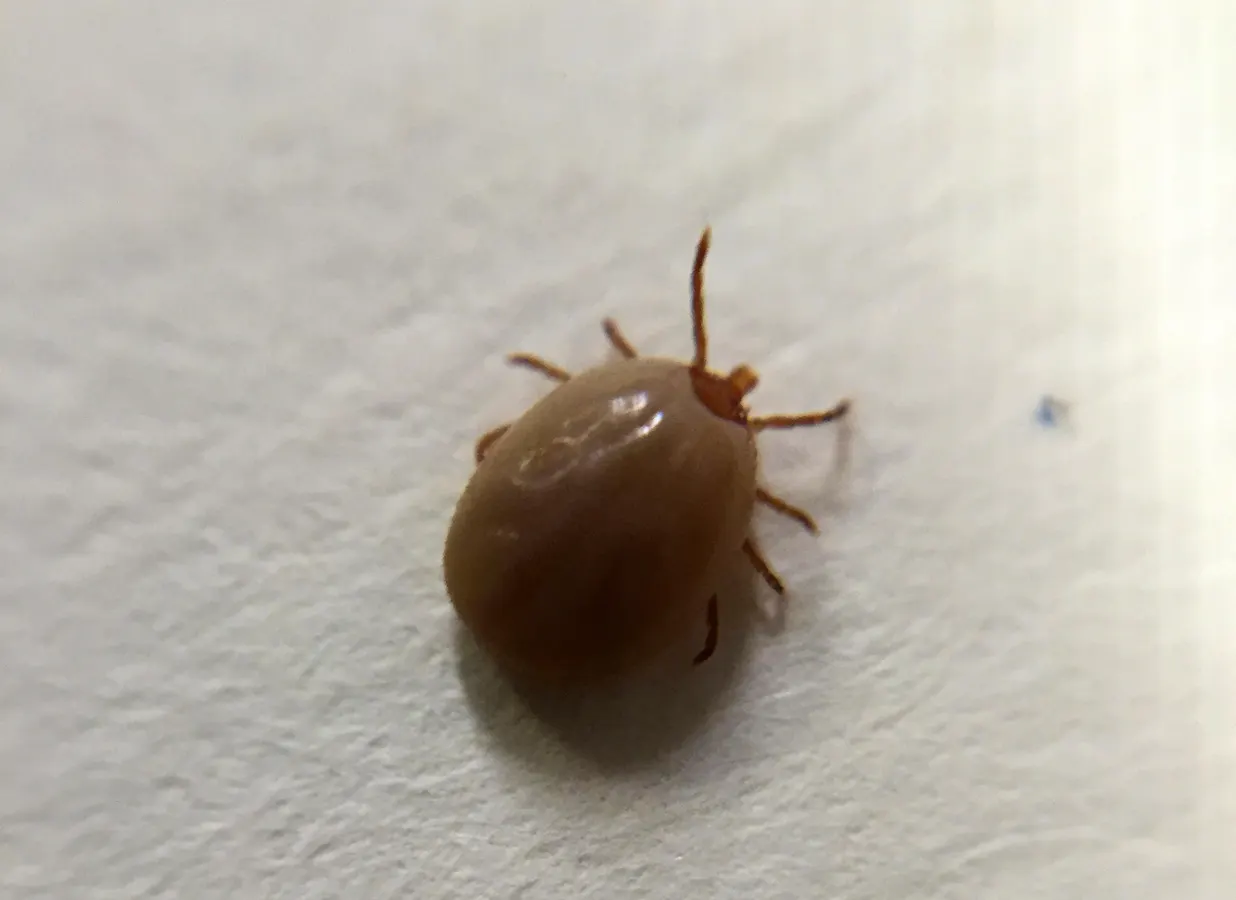
The disease is caused by the parasite Babesia microti, which lives in the blood of rodents. It is transmitted when a tick bites an infected rodent and then bites a human. The parasite enters the bloodstream, infecting and damaging red blood cells.
Early and accurate diagnosis is critical for available treatments. Babesiosis can be asymptomatic or cause flu-like symptoms, which can be severe in older and immunocompromised people.
The parasite’s mechanisms of transmission and infection are not well-understood. In Advanced Science, Tagbo Niepa and collaborators introduce a microfluidic system that can be used to study Babesia microti.