Parametric insurance is a non-traditional form of insurance designed to provide quick financial relief during rare and severe events
| Photo Credit:
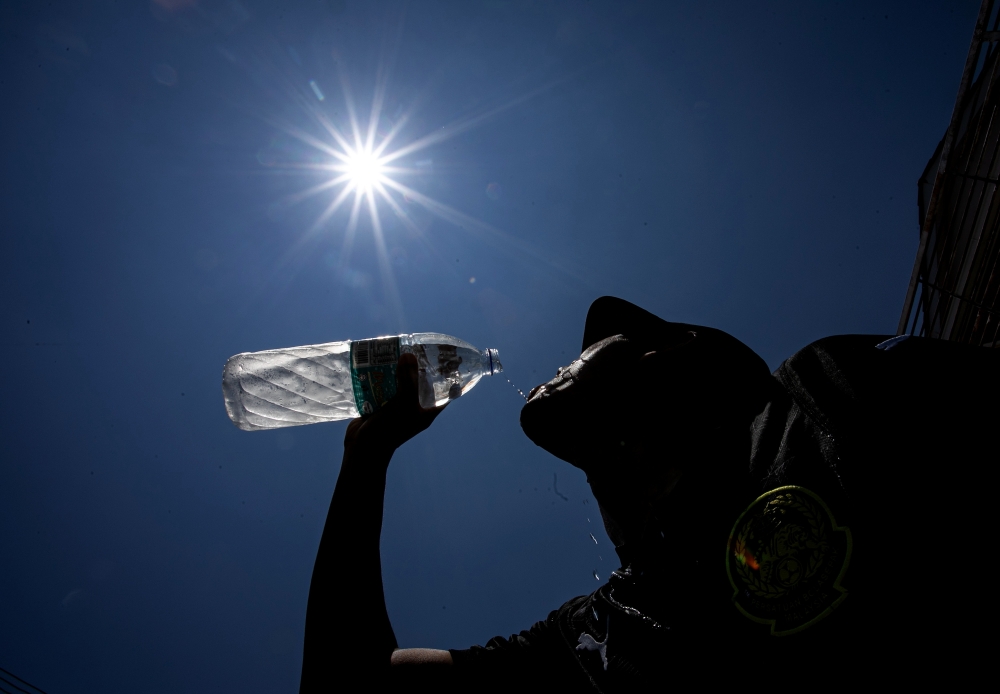
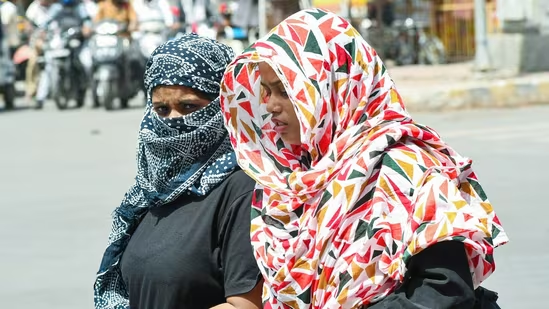
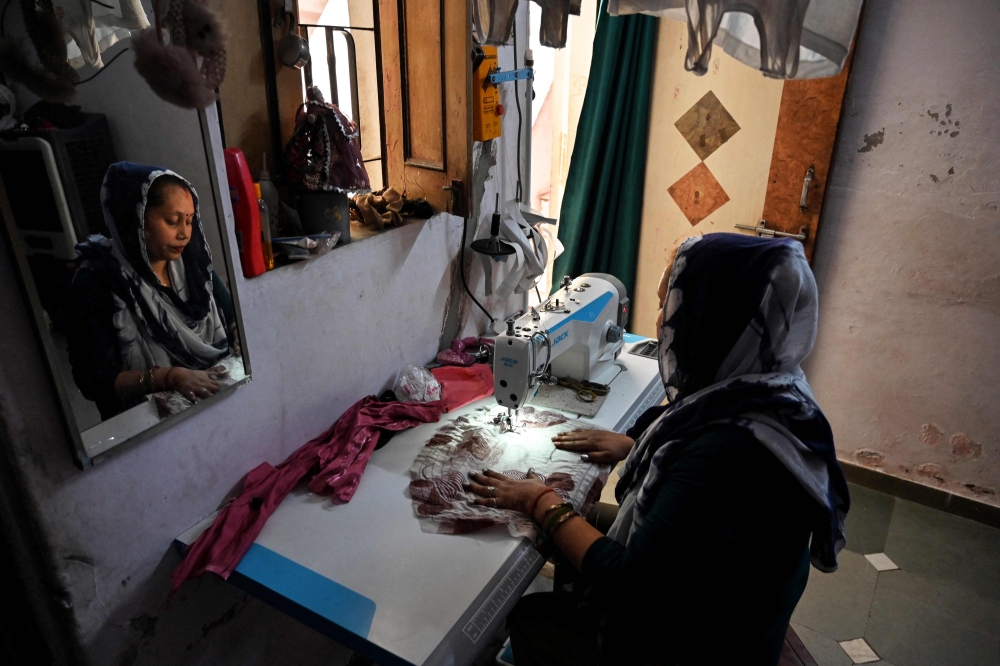
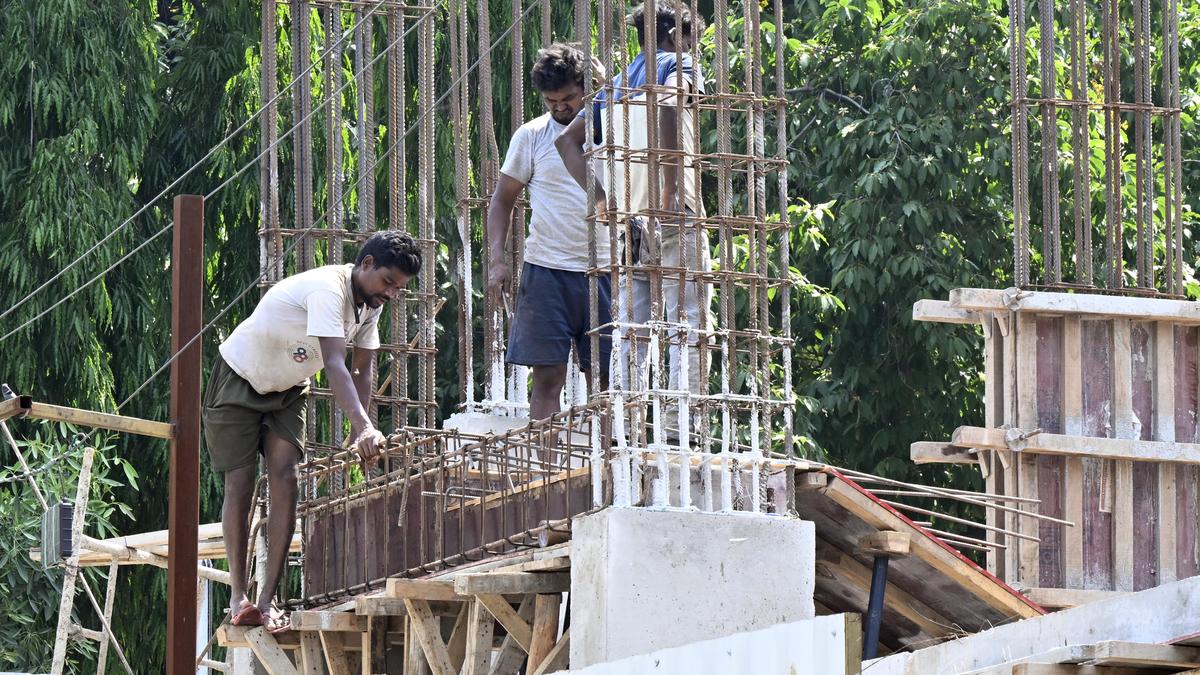
Extreme heat is emerging as one of the major climate risks in India. Outdoor and informal workers are especially vulnerable. They have to choose between working under extreme heat and risking health consequences, or stop working and lose their income. It is a hard choice because their daily wages are necessary to meet basic household needs, and most of them have little or no savings to fall back on.In this context, parametric insurance is increasingly being discussed as a potential heat adaptation intervention. It is a non-traditional form of insurance designed to provide quick financial relief during rare and severe events. Unlike conventional insurance, it does not assess individual losses. Instead, it makes automatic payments when a pre-defined threshold, such as a specific rainfall level or a temperature level, is crossed. These payouts are triggered using data from independent sources such as meteorological agencies. The payment amount is fixed in advance and is not meant to cover the full loss suffered by the policyholderPhilanthropic organisations and governments in India are exploring it as an instrument to help vulnerable populations cope with the income-loss occurring due to extreme heat. Several insurance companies in India have launched weather-triggered insurance products, including policies linked to extreme heat.While parametric insurance offers certain advantages, it also has some conceptual limitations and operational challenges. These must be carefully examined before it can be regarded as an effective and scalable adaptation tool for extreme heat.The threshold dilemmaParametric insurance requires a clear and standardised threshold to trigger payouts. In India, heatwave alerts are currently issued by the India Meteorological Department and are based primarily on absolute temperature levels. However, scientific evidence shows that health risks from extreme heat depend on multiple factors beyond temperature alone. These risks increase sharply beyond certain temperature levels but are also influenced by humidity, age, underlying health conditions, degree of exposure, and the nature of work performed.Heat indices that combine temperature and humidity can better reflect actual heat stress, and more refined indices may account for variations in exposure and vulnerability. However, such context-specific indices are not yet well developed or standardised in India.If triggers are aligned closely with health impact data, they may be crossed frequently during Indian summers. This could result in repeated payouts and raise concerns about the financial sustainability of the product for private insurers. Conversely, if thresholds are determined using probabilistic models that focus only on rare and extreme events, payouts may occur only a few times in a season.In such a scenario, workers would remain exposed to harmful heat conditions on most days, with limited financial protection. It is also assumed that when the threshold is crossed and a payout occurs, workers will take a break from work, thereby reducing health risks. However, whether workers actually forgo income and rest depends on multiple factors, including household financial stress. Without strong awareness campaigns and behavioural support, payouts may not necessarily translate into health protection.Who pays the premium?The second critical aspect in the use of parametric for extreme heat concerns the question of who should bear the premium cost. Broadly, there are two possibilities. Either workers themselves pay the premium, or it is financed by a third party such as a philanthropic organisation, welfare board, employer where applicable, or the government. Each option presents distinct challenges.Expecting financially vulnerable workers to pay premiums is likely to be difficult. Many of these workers already face significant income insecurity, and even the uptake of general health insurance remains low.The alternative is for a third party to pay the premium. In pilot initiatives undertaken in India so far, premiums have been supported by philanthropic organisations. In the future, welfare boards, employers, or government agencies may assume this responsibility. In certain sectors, such as construction or platform-based gig work, identifiable employers exist who could potentially purchase coverage for their workers. However, many heat-exposed workers are part of the informal economy and lack formal registration, which complicates enrolment.StewardshipState government intervention is a critical success factor if parametric insurance is to play a complementary role in addressing extreme heat exposure among informal workers in India. The design of any scheme should therefore be government-led, transparent, and open to public scrutiny. It should follow a consultative process with all the relevant stakeholders to determine key parameters such as trigger thresholds, payout structures, and exclusions. This would also contribute to building trust about the product among the communities.Alongside government oversight, the Insurance Regulatory and Development Authority of India (IRDAI) should more closely review how premiums are determined and how such products are marketed, especially those targeting low-income workers.Way forwardA more fundamental concern relates to whether premium financing represents the most effective use of limited public or philanthropic resources. Funds allocated towards insurance premiums might alternatively be invested in systemic and preventive measures, such as workplace modifications, cooling infrastructure, urban design improvements, or strengthened public health responses.There is also a risk that the introduction of an insurance product may create the perception that the problem of extreme heat has been adequately addressed, thereby diverting attention from longer-term structural solutions. It is therefore essential to assess the costs of premium financing relative to the expected benefits and to compare this intervention carefully with alternative policy measures. Parametric insurance can provide some relief during extreme heat events, particularly by offering timely financial support on the most severe days. It should therefore not be viewed as a comprehensive solution. Developing a more nuanced understanding of these impacts could help inform more rational and effective allocation of limited public and philanthropic resources in responding to heat-related health risks.The writers are with Prayas (Energy Group)Published on May 22, 2026