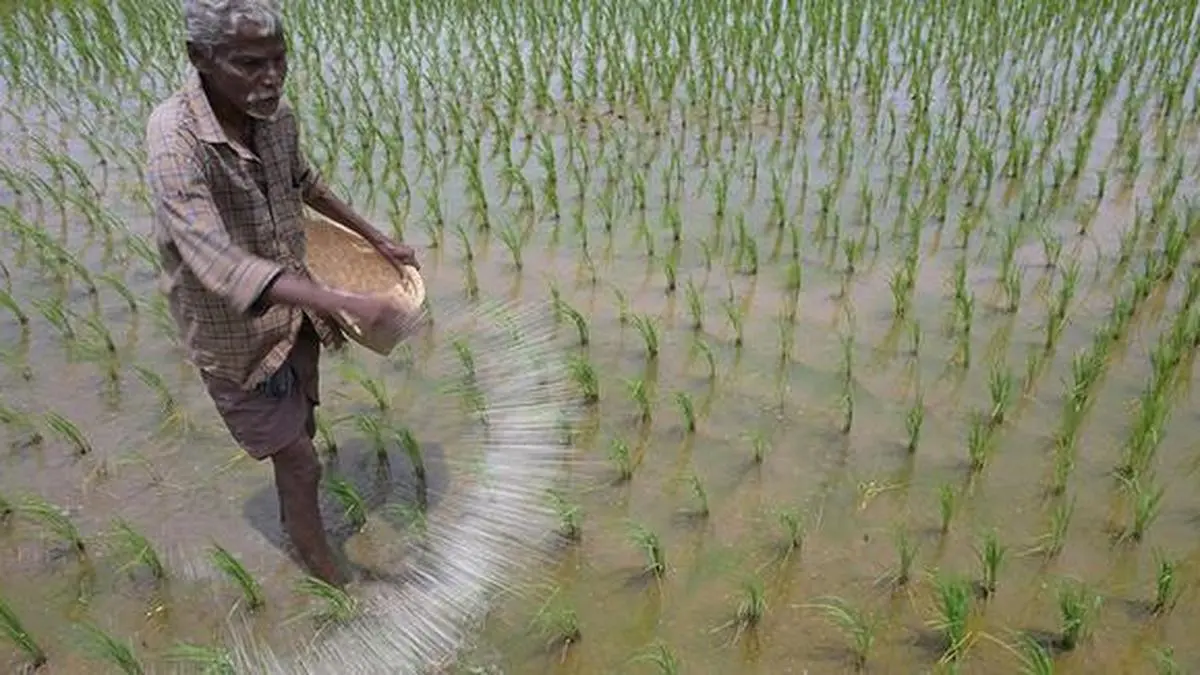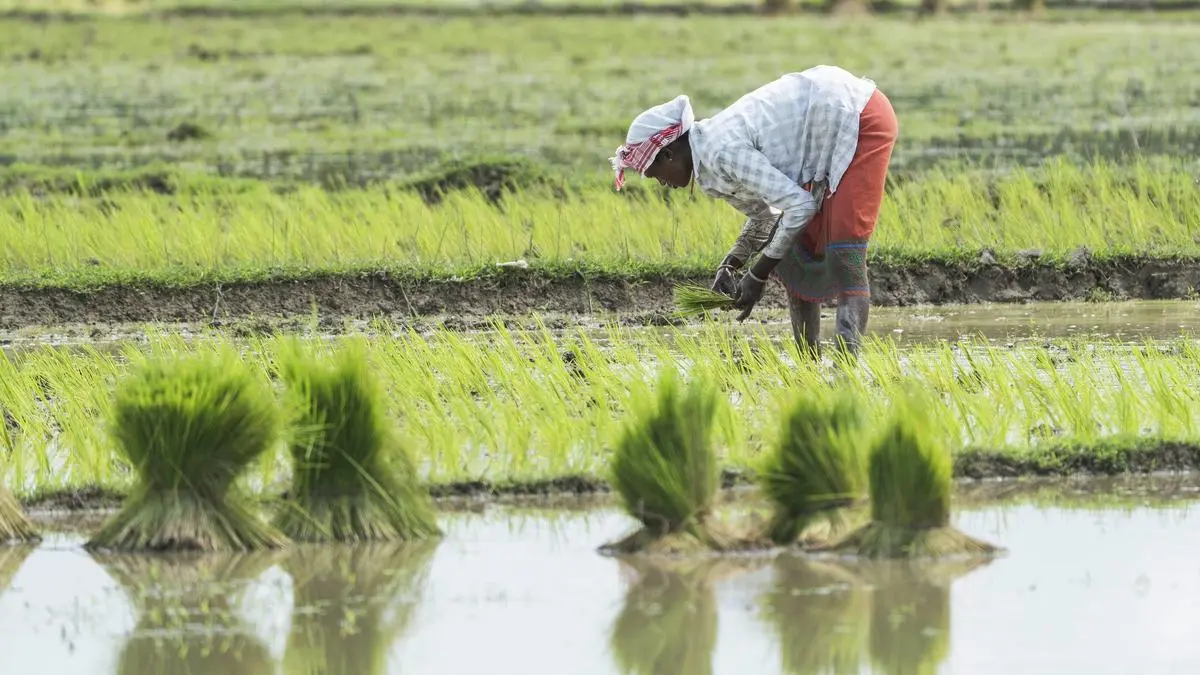
India’s agriculture is moving towards a stage where risks posed by climate become a structural risk. Climate stresses among the farmers of India start from the monsoons. Rainfall does not occur in predictable patterns anymore, but comes later or breaks down suddenly in heavy showers which flood the fields and wash the nutrients away. In India, 55 per cent of tehsils had witnessed an increase in southwest monsoon rainfall in the last decade, almost 11 per cent of tehsils faced rainfall deficit of over 10 per cent, while 64 per cent of them had an increase in number of heavy rain days.Moreover, 2026 is predicted to be impacted by El Nino, which can lead to inadequate rainfall across the country. It can manifest as a delayed or deficient Southwest Monsoon, prolonged dry spells, irregular rain breaks, and extreme heat spikes across South India. For the water-sensitive and shade-reliant agro-climatic zones of Tamil Nadu and Kerala, these conditions directly impact banana, cardamom, and ginger systems. All-India seasonal rainfall is already 13 per cent below normal.This matters because rainfed agriculture still constitutes nearly 60 per cent of India’s net sown area and contributes around 40 per cent of the country’s food production. A weak or erratic monsoon not only reduces crop output; it also affects household incomes, livestock, food prices, rural debt, women’s unpaid care burden and migration decisions. Crops and plantations likely to be affected are paddy rice, coconut, rubber, tea, cardamom and spices, coffee, areca nut, vegetables and short duration crops. Thus, climate insurance is crucial for rural livelihood.How parametric climate insurance worksParametric climate insurance is a type of coverage that pays out a pre-agreed lump sum when a specific, objective event occurs, rather than compensating for the actual physical damage sustained. Unlike traditional insurance, which requires lengthy claims adjusters, receipts, and loss assessments, parametric insurance focuses entirely on a specific data “parameter”.The consumer and the insurer agree on a specific metric and a threshold. Common examples include earthquake magnitude, wind speed in a hurricane, or millimeters of rainfallAn independent, trusted third-party (like a meteorological or geological agency) monitors the event. If the threshold is met or exceeded, the policy pays automatically. There is no need to prove how much your property was damaged.Lightning-Fast Payouts: Because there are no damage reports to verify, money is usually deposited directly into the account in a matter of days or weeks. One can spend the payout however he or she needs. For example, if a drought ruins crops, a farmer could use the payout to buy seeds, pay rent, or cover lost revenue. Payout triggers are indisputable, one knows exactly what events will and will not trigger a payment before the contract even starts.Parametric climate insurance during El NinoParametric climate insurance during El Niño should be built around three principles. First, it must be localised. A state-level rainfall average is not enough when one district faces drought and another faces flash floods. Insurance triggers should use granular weather, satellite and crop data. Second, it must be affordable and accessible. Small farmers, tenant farmers, women workers, migrant workers and informal enterprises cannot be protected through complex products with high premiums. SHGs, FPOs, cooperatives, panchayats and community-based organisations can help build trust, awareness and last-mile enrolment. Third, it must be linked with adaptation. Insurance should not replace water harvesting, drought-resilient crops, soil health, agroforestry or heat action plans. It should strengthen them by giving households the financial confidence to invest in resilience.Parametric climate insurance is today a critical aspect of protection, which is equivalent to any other retail insurance. The government should look at expanding PMFBY, and there should be public-private partnerships for strengthening weather-based insurance and building new climate-linked products for heat, rainfall, livestock, fisheries, rural enterprises and informal workers. The country also needs faster claims settlement, better awareness, transparent triggers, stronger weather-station coverage and products designed for women, smallholders and landless workers who are often most exposed but least insured.The author is director – Client Advisory Group, Alliance Insurance Brokers,Published on August 1, 2026
Parametric climate insurance can help safeguard India’s ₹52 lakh crore agriculture economy in El Niño year
There should be public-private partnerships for strengthening weather-based insurance and building new climate-linked products for heat, rainfall, livestock and fisheries
671 words~3 min read