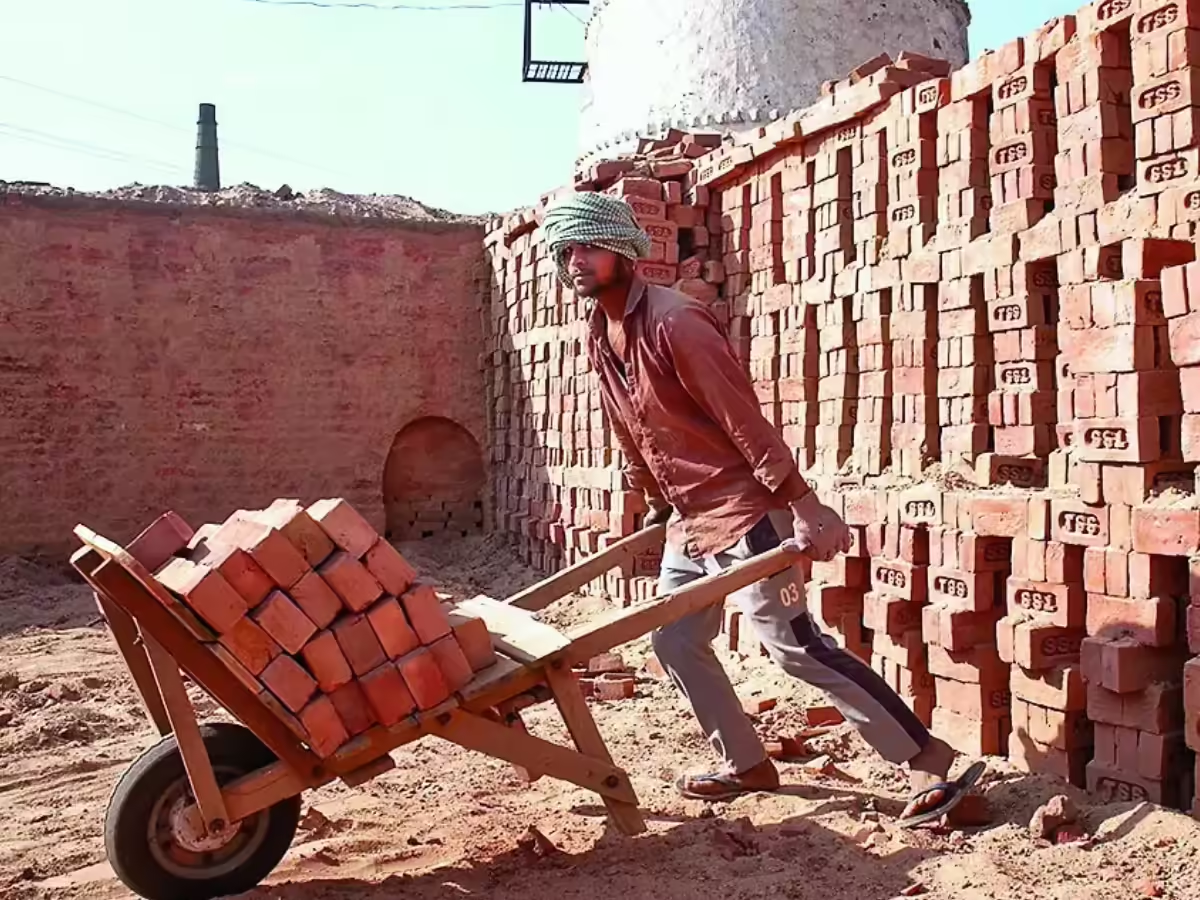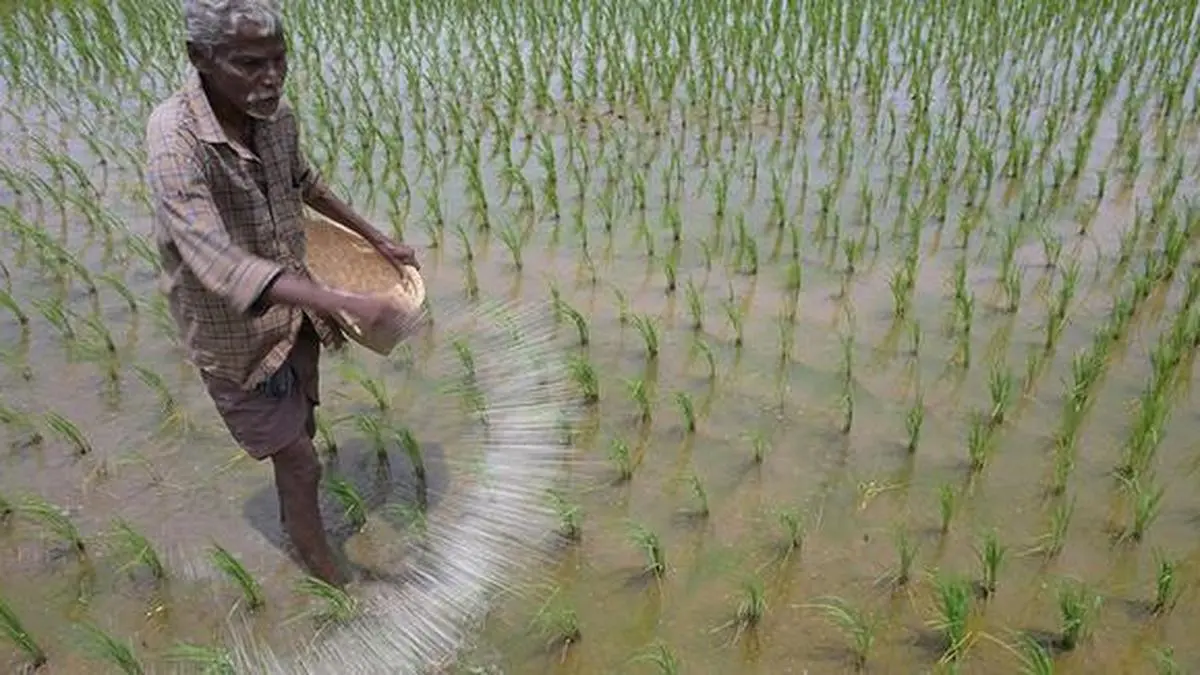
Indian agriculture has always been a negotiation with nature, and for generations, nature held most of the cards. The monsoon arrived or it didn’t. Farmers adjusted, absorbed the loss, and started over the following season. That resilience is real. But resilience alone cannot substitute for a system that actually protects what farmers stand to lose.For India’s insurance sector, this reality presents both a challenge and a defining opportunity. The question is no longer whether agriculture needs better risk cover. It is whether the industry can move fast enough to meet farmers where they actually are, financially stretched, increasingly savvy, and tired of systems that compensate them months after the damage is done.The coverage gap is bigger than it looksIndia’s formal crop insurance architecture has grown considerably over the past few years. Government-backed schemes have brought more farmers under the coverage umbrella, and awareness has improved. But coverage and protection are not the same thing.Today’s farmer is not just growing a crop. He is managing a small enterprise, with livestock, rented or owned equipment, post-harvest storage, and income that may come from multiple sources across a single agricultural year. A hailstorm that damages the standing crop is a loss. So is a broken tractor during harvest season, a price crash at the mandi, or a warehouse damaged by floods after the crop has been cut. Conventional crop insurance covers only one part of this risk landscape.This represents an underserved and under-penetrated segment. The Indian farmer today is not a liability, he is a customer with complex, evolving needs. The industry’s task is to design products that reflect that complexity without burying them in fine print.For once, technology is on the farmer’s sideThe practical barriers to scaling agricultural insurance have always been real, high assessment costs, remote geographies, inconsistent data, and the logistical challenge of reaching smallholder farmers across diverse agro-climatic zones. These are not small problems. But technology is quietly dismantling several of them.Satellite imagery and remote sensing now allow insurers to monitor crop health at scale, without requiring a field agent to physically visit every plot. Weather analytics can model hyper-local risk with growing accuracy. Drone-based surveys are accelerating loss assessment in flood-hit or inaccessible areas. And digital payment infrastructure has made it feasible to transfer small-ticket claim amounts directly to farmer accounts without leakage.The most important development in recent years is likely parametric insurance, in which benefits are automatically triggered when a measurable parameter such as rainfall or temperature crosses a specified threshold. It removes the subjectivity from claims, shortens timelines dramatically, and gives farmers something that conventional indemnity models rarely deliver which is predictability. When a farmer knows that a rainfall deficiency of a specific percentage will automatically trigger a payment, they can plan around it. That changes the nature of insurance entirely.Trust Is the product we have yet to fully sellTechnology and product design can only go so far. The deeper challenge facing agricultural insurance in India is one of trust. For too many farmers, the experience of insurance has been defined by delayed claims, complex exclusion clauses, and a sense that the system is designed to limit payouts rather than deliver them. That perception, even where inaccurate, is a real commercial barrier.Rebuilding that trust requires the industry to do three things well. First, simplify. Products that cannot be explained in a few minutes will not be bought willingly. Second, pay fast. A claim settled six months after a crop loss does not help a farmer who needed liquidity to repay a loan or prepare the next sowing cycle. And third, embed. Insurance that arrives as a standalone product to be separately evaluated and purchased will always struggle for traction. Insurance bundled into the credit or input supply chain, offered at the right moment in the agricultural calendar, stands a far better chance.India’s agricultural economy is not a static subject. It is changing, season by season, with new crops, new markets, and a new generation of farmers who approach their land with as much commercial intent as their urban counterparts bring to any other business. The insurance sector has a genuine opportunity and responsibility to keep pace. The monsoon will always matter. But it need not be the only thing standing between a farmer and financial stability.The author is Vice President – SME Insurance, ProbusPublished on May 30, 2026
Beyond the monsoon: Rethinking insurance for India’s new-age farmers
Explore innovative insurance solutions for India's modern farmers, addressing diverse risks beyond monsoon challenges for financial stability.
722 words~3 min read