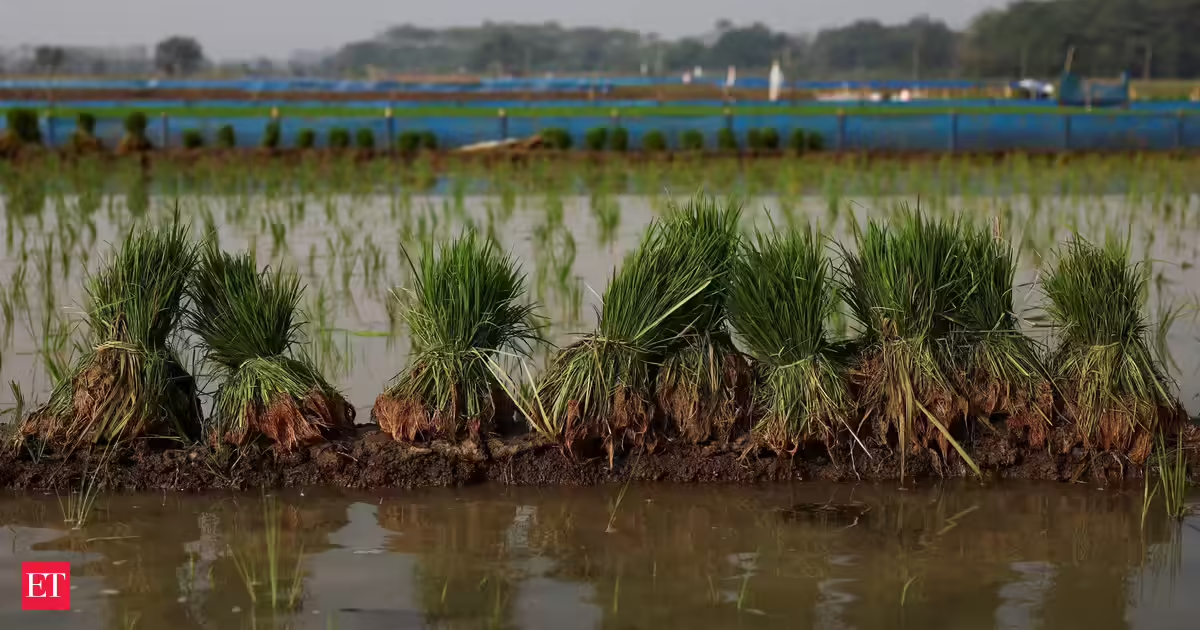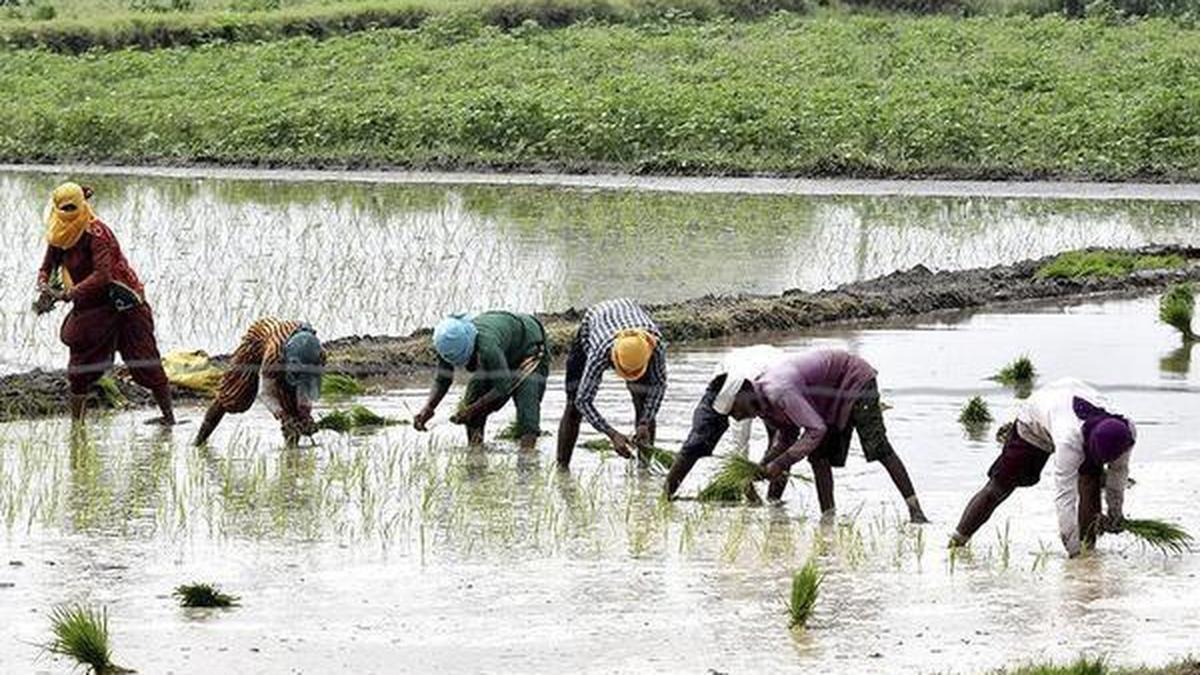
Agricultural support policies since 1960s have been largely promoting cultivation of resource intensive crops like rice, wheat and sugarcane
| Photo Credit:
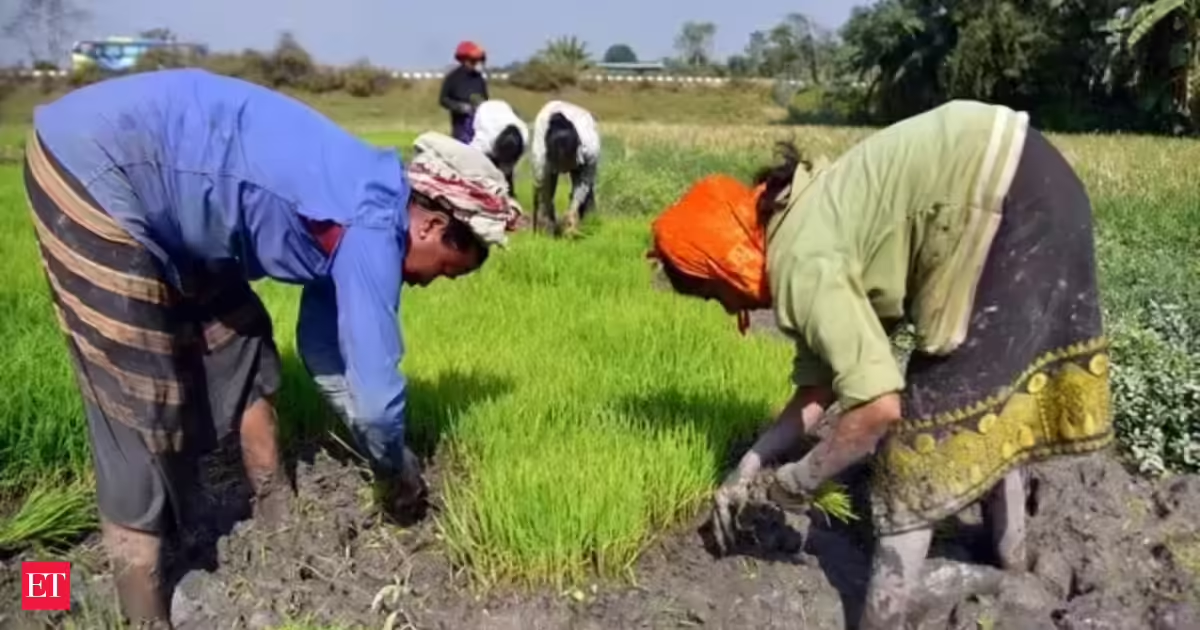
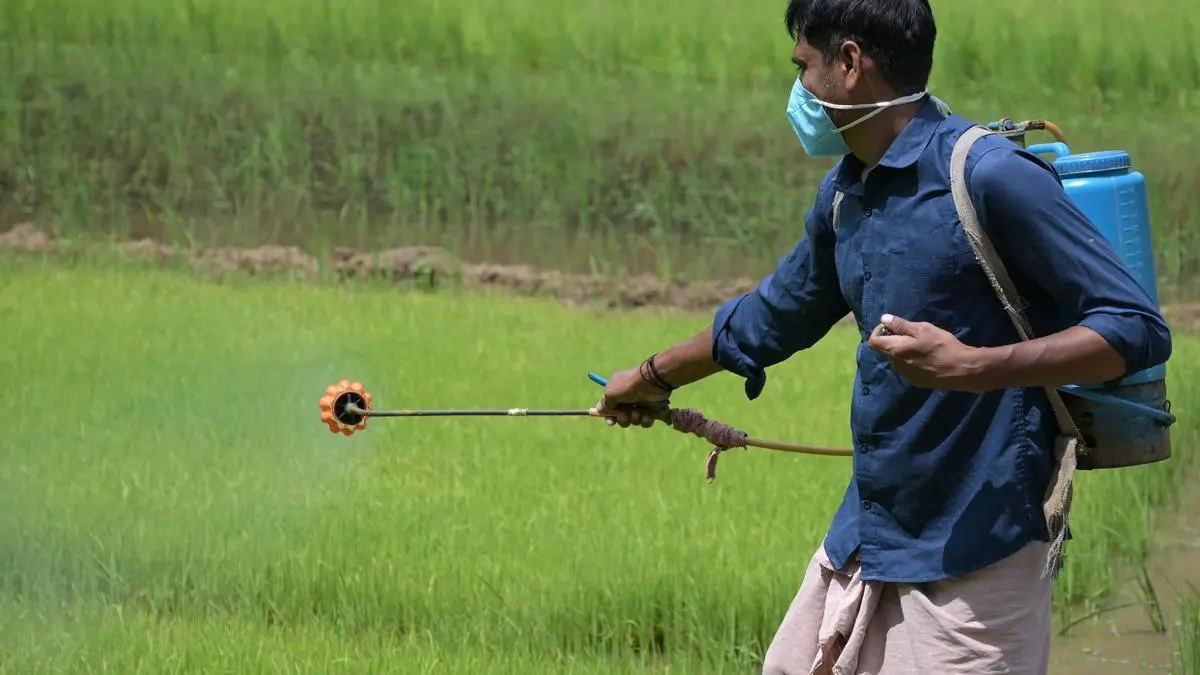
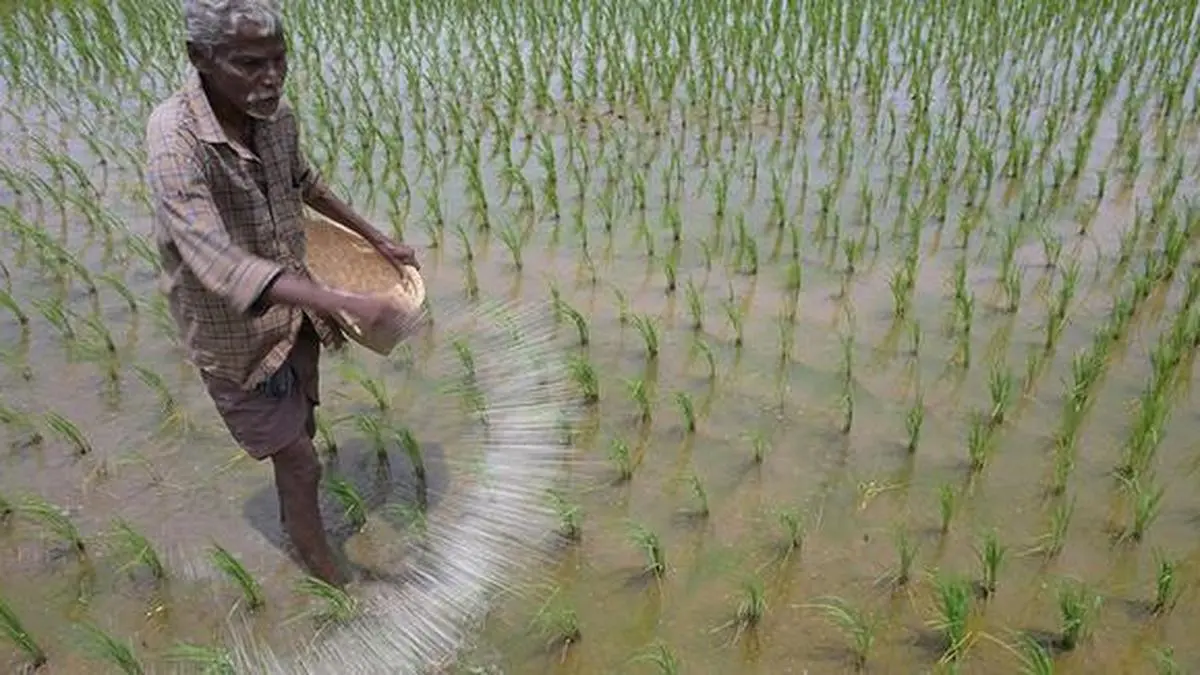
Indian agriculture, despite considerable progress in climate smart technology adoption, remains extremely vulnerable to changes in rainfall quantum and distribution with rainfed area accounting for half of the cultivated area. In addition, increasing extreme weather events and rising temperatures due to climate change are also affecting crop yields and farm incomes. For instance, number of days recording extreme weather increased to 331 in 2025 from 295 in 2024 and from 292 prior to that according to a report by Centre for Science and Environment .In this regard, the forecast of below normal rainfall at 90 per cent of long period average for 2026 is a cause for concern. It is crucial to build a resilient agricultural production system.Agricultural support policies since 1960s have been largely promoting cultivation of resource intensive crops like rice, wheat and sugarcane with assured procurement and input subsidies like free electricity. For instance, despite the forecasted below normal rainfall and the ongoing fertilizer supply constraints, the minimum support price (MSP) for paddy has been increased by about 3 per cent for kharif 2026. Although the increase of MSP for paddy is relatively lower than that of pulses and oilseeds for kharif 2026, limited procurement and relatively low yields of pulses/oilseeds may not encourage farmers to shift from rice cultivation. Hence, there is an urgent need to address such imbalances in support policies that aid in exhaustion of natural resources and reorient them to promote resource conservation.Another important priority is to increase crop yields through promoting agricultural R&D and efficient transfer of technology. The yields of less water consuming crops like pulses and oilseeds have been stagnant for over decades, discouraging farmers from cultivating them. To boost their yield, 2,661 crop varieties tolerant to one or more biotic or abiotic stresses were released during 2014-2025 according to the Indian Council of Agricultural Research. Such efforts need to be continuous, and in line with changing climatic conditions and weather pattern.Scale up fundingTowards this, funding for R&D needs to be scaled up not only for developing resilient crop varieties with enhanced yields and better cultivation practices to conserve resources, but also for their efficient transfer from lab to fields. Apart from public funding, private sector, especially corporates involved in food and input retail chains, etc, may also be encouraged to voluntarily contribute to promoting agricultural research through CSR-like funding.Further, advanced weather forecasting system together with real-time crop advisory is crucial for building resilience in agriculture. With weather and monsoon patterns becoming more and more unpredictable in the recent years, an efficient system of forecasting using advanced Al-based models may help in predicting weather events and, thereby, facilitate real-time crop advisory. Crop insurance is another strategy that can protect farmers’ incomes. In this regard, the Pradhan Mantri Fasal Bima Yojana (PMFBY), launched in 2016, has progressed well, covering 25-31 million hectares annually since 2018 (PMFBY portal). With the gross cropped area at around 220 million hectares, outreach of such insurance schemes needs to be expanded.Another crucial strategy, much discussed but with little progress, is connecting farmers directly with value chains for receiving better prices. Efforts towards this can be scaled up by leveraging the rapid progress in e-commerce, warehousing and logistics, akin to what producers in the manufacturing sector enjoy. Also, major corporates involved in agricultural food retail chains may be encouraged to help in on-boarding farmers with necessary logistics and outreach efforts. The successfully evolving organic farm product value chains illustrate the feasibility of such direct connection and integration of farmers.Thus, to meet the growing food and nutritional needs of a rising population, it is vital to build a resilient agricultural production system that promotes efficient and sustainable resource use.Reddy is Joint Director, Policy Support Research, ICAR-National Institute of Biotic Stress Management, Raipur, and Lingareddy is Senior Economist, Sustainable Finance and Agriculture, Mumbai. Views are personalPublished on June 12, 2026