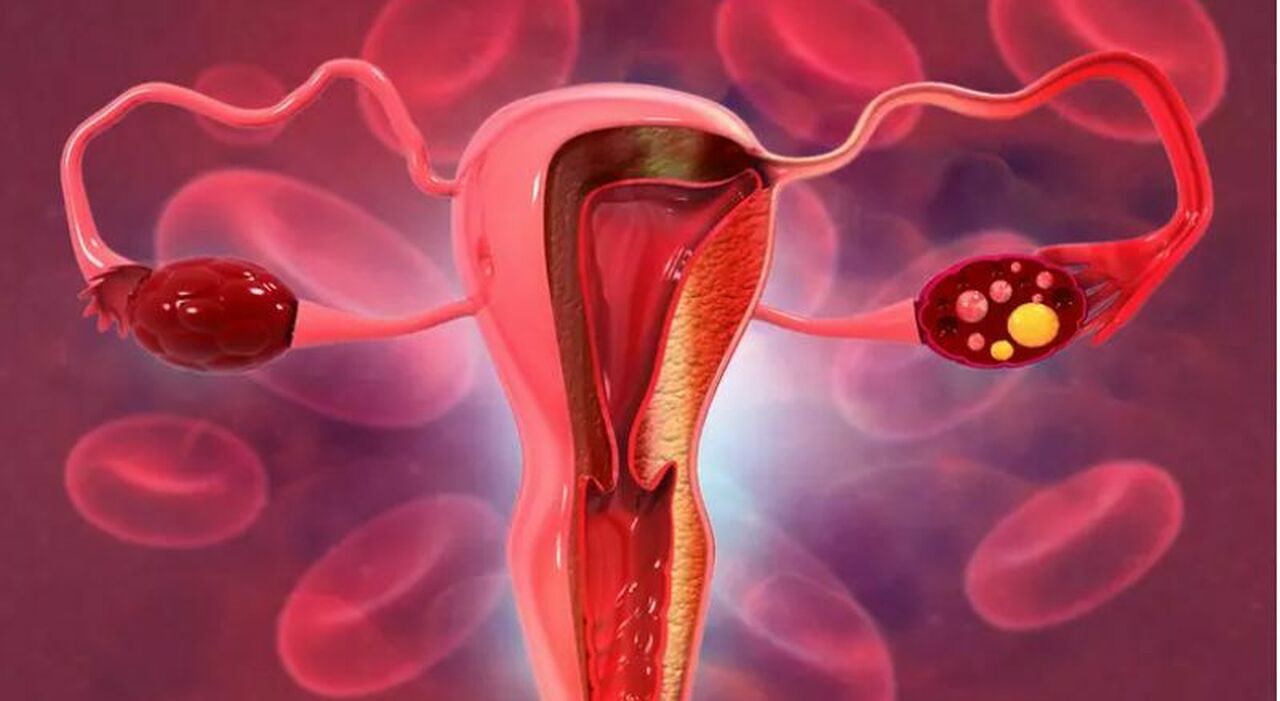
CHICAGO -- Patients who fasted during chemotherapy for ovarian cancer had significantly longer progression-free survival (PFS) compared with patients who ate a normal diet, a small randomized study from Italy showed.
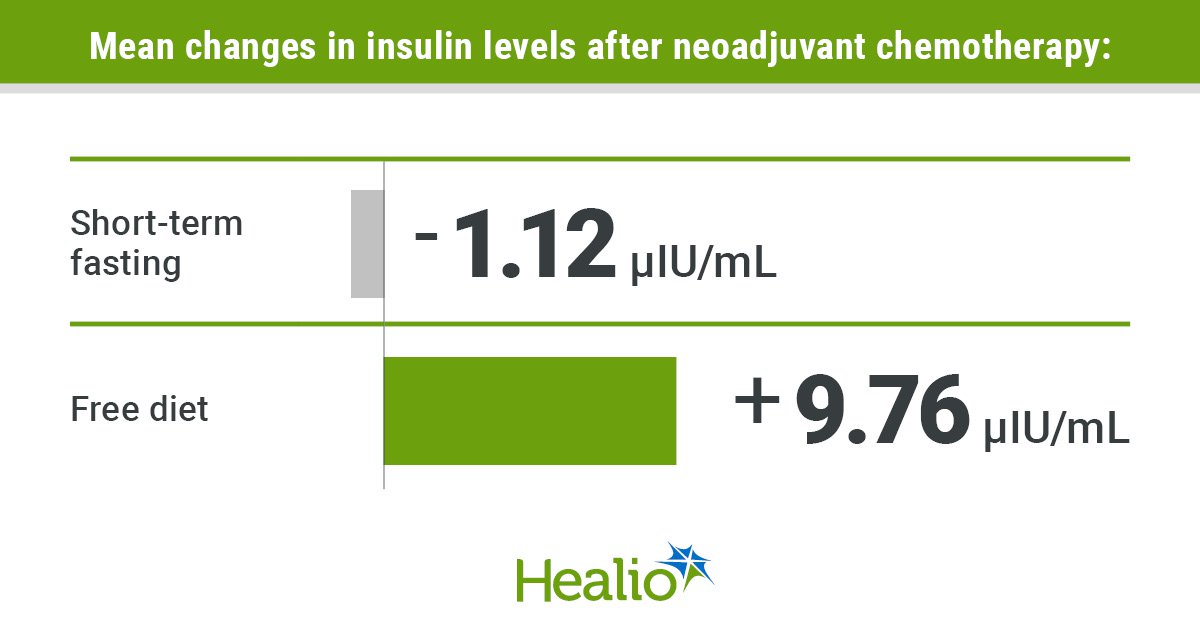
Fasting led to significantly lower insulin levels at the end of neoadjuvant therapy (9.59 vs 18.5 µIU/mL), the study's primary endpoint. Additionally, patients assigned to a regular diet had significantly greater variation in insulin levels after neoadjuvant therapy.
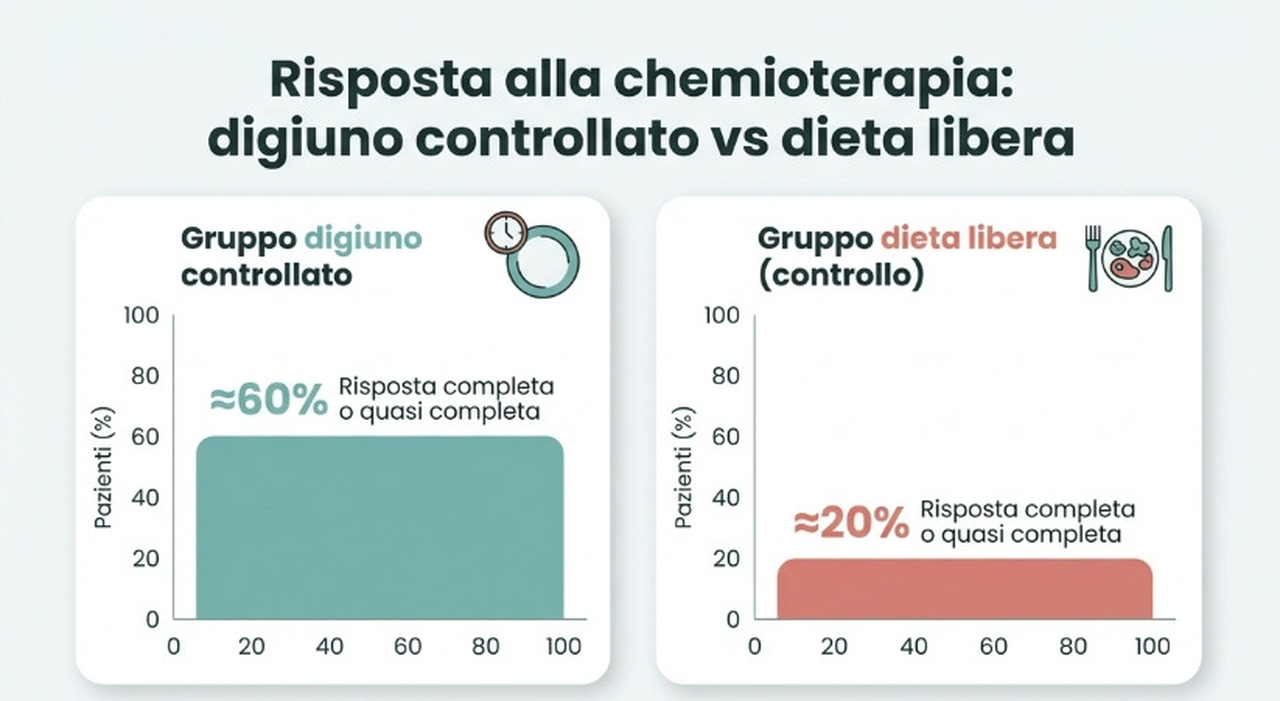
Investigators hypothesized that insulin helps fuel cancer growth and that reducing insulin via fasting might enhance the effect of chemotherapy via metabolic modulation. Subsequently, patients randomized to fasting had a significantly higher rate of pathologic complete response (pCR) and a median PFS of 38 months versus 24 months for the control group.
The pilot study (41 patients total in both arms) demonstrated the feasibility and tolerability of short-term fasting, and the results warrant validation in larger studies, said Claudia Marchetti, MD, PhD, of the Fondazione Policlinico Universitario Agostino Gemelli in Rome, during a press briefing prior to the American Society of Clinical Oncology (ASCO) annual meeting.