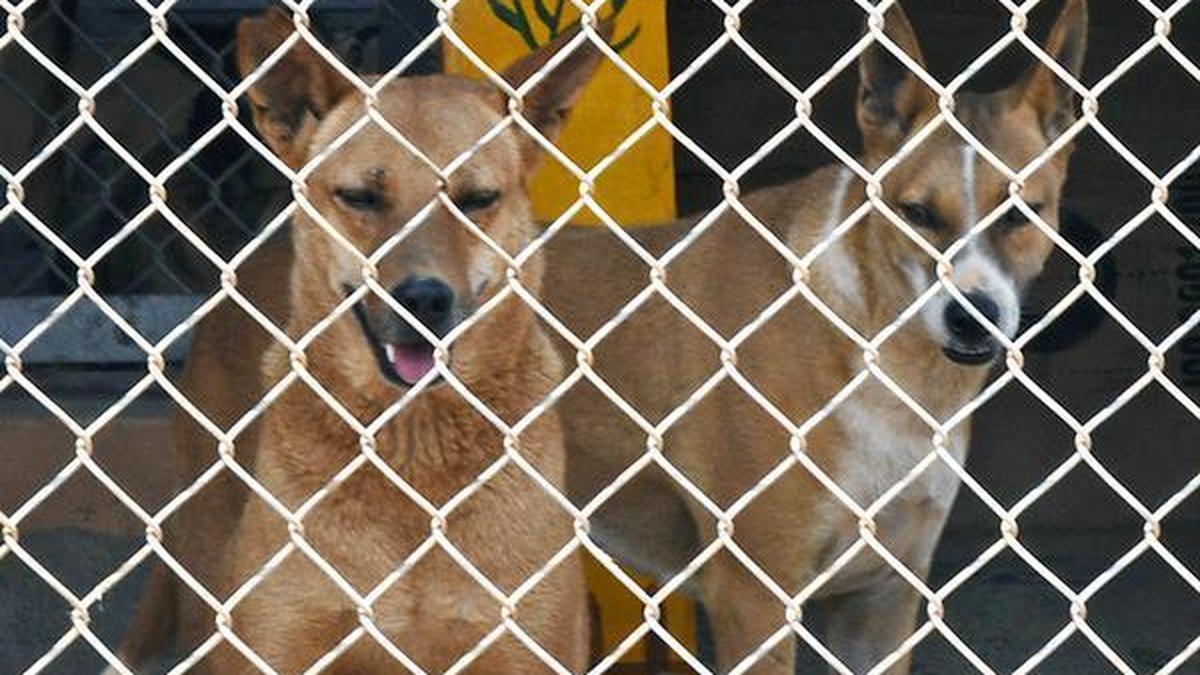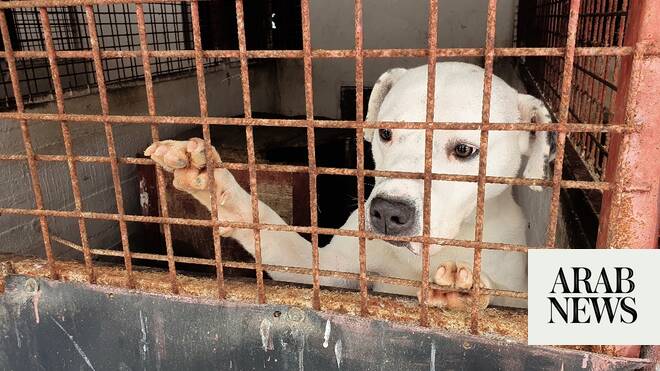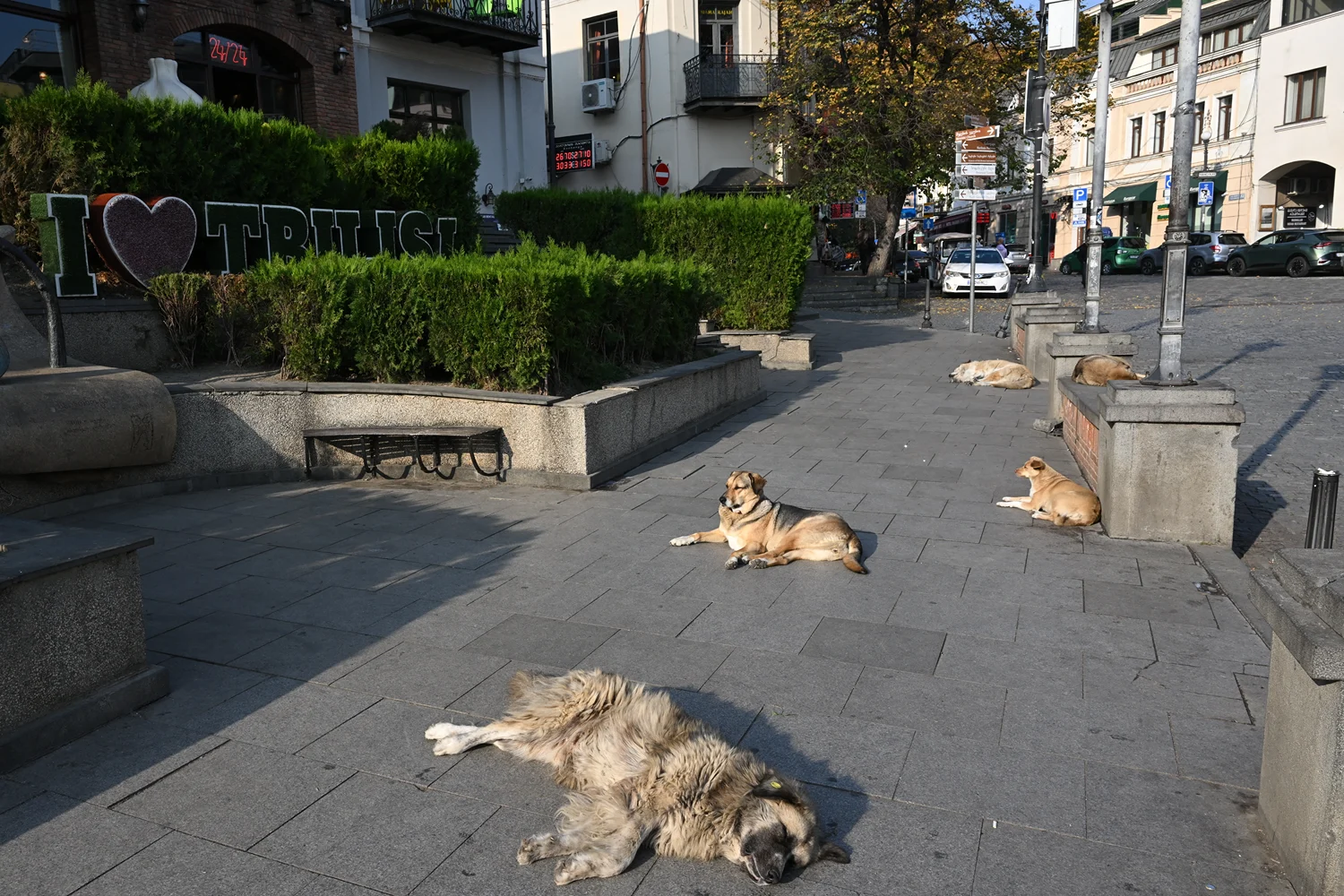
On any given morning in Tbilisi, capital of the South Caucasian country of Georgia, a visitor will find dogs dozing on park benches, sprawled across the steps of medieval churches, and on street corners. These are the “yard dogs” fed by locals and identifiable by yellow municipal tags clipped to their ears. They are part of the community.
But since March, the dogs have been vanishing.
“In many neighborhoods, they are part of daily life, protected by residents,” said Mariam Tsertsvadze, animal rights activist and co-founder of the Tbilisi-based Animal Project. “When they started disappearing, people searched for them, called institutions, and demanded answers. But no answers were given.”
Officials say the removals are part of a nationwide initiative updated in February to manage the country’s growing population of strays. Vans belonging to the National Food Agency have been sweeping through cities grabbing animals. The program calls for the capture, neutering, vaccination, and treatment of about 36,000 dogs, which are transported to four regional shelters. The government has allocated 4.63 million lari (about $1.7 million) to municipalities hosting the facilities. The agency said it collected just 502 dogs from three regions between March 10 and April 2 and returned 435 of them to the streets after vaccination, sterilization, and registration.