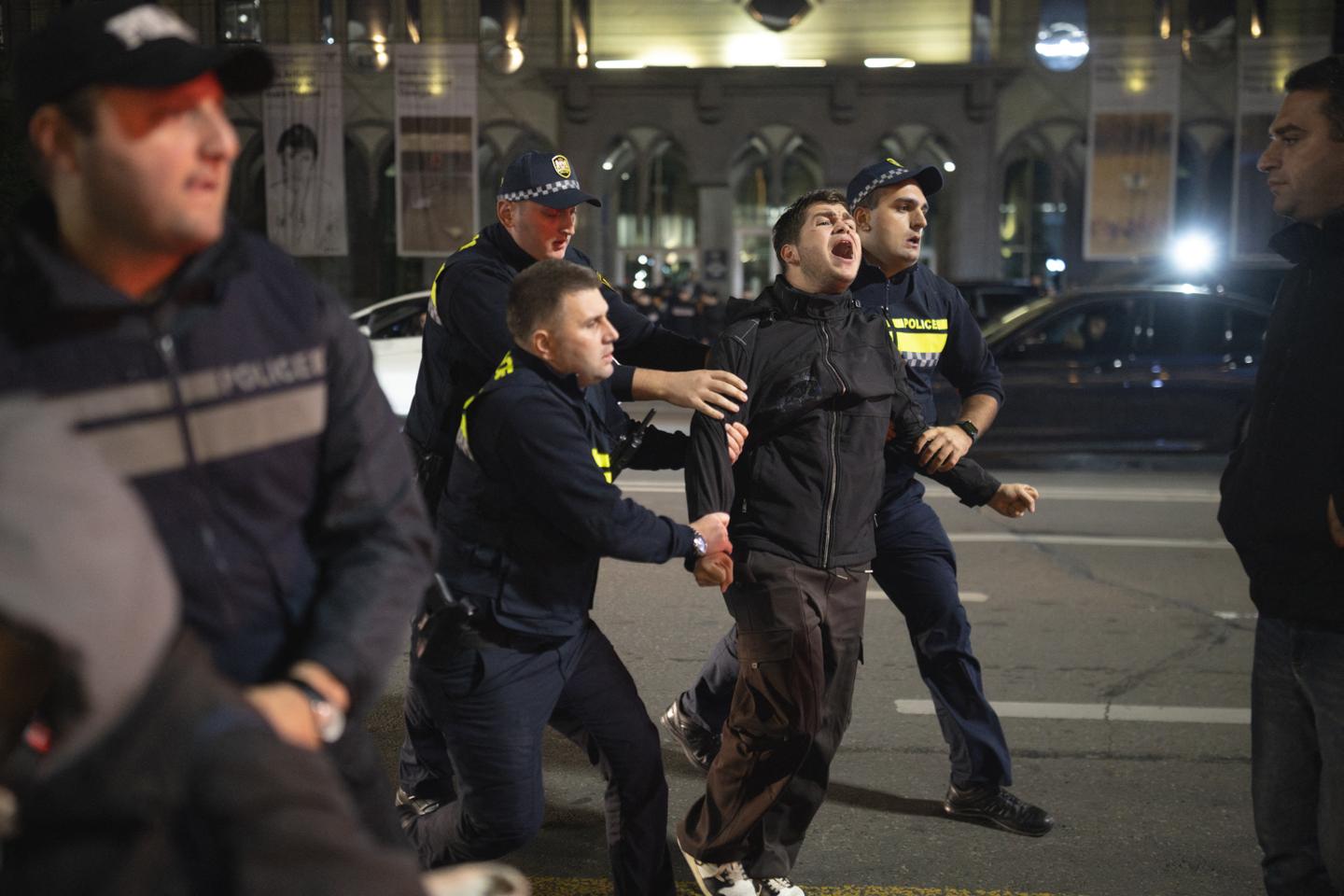
Arrest of protesters in Tbilisi, October 22, 2025. SEBASTIEN CANAUD / NURPHOTO VIA AFP
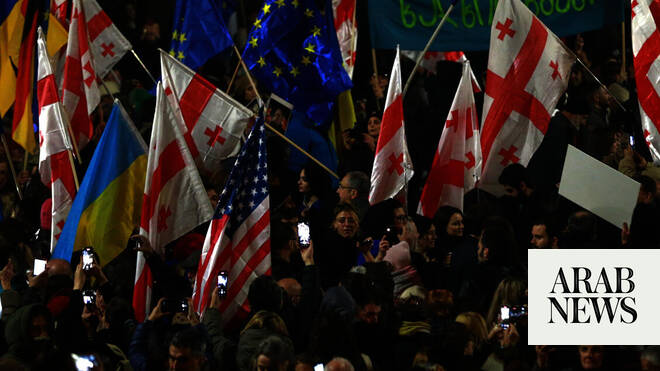
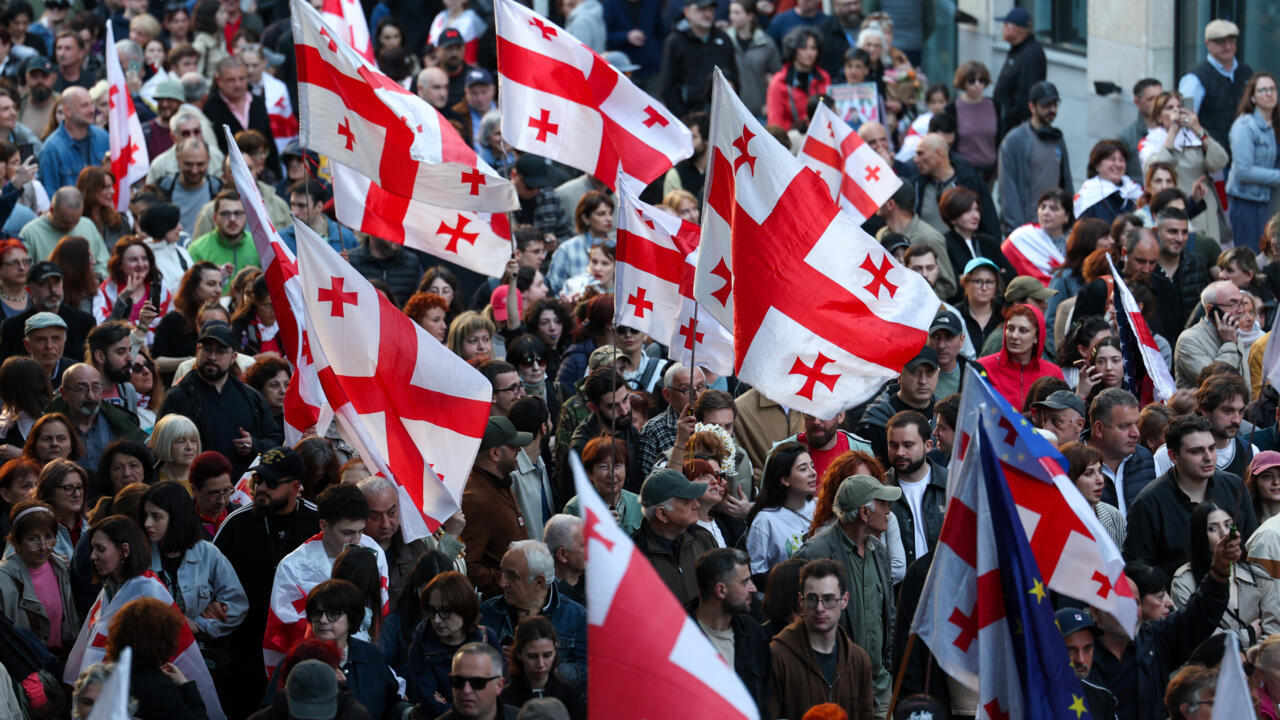
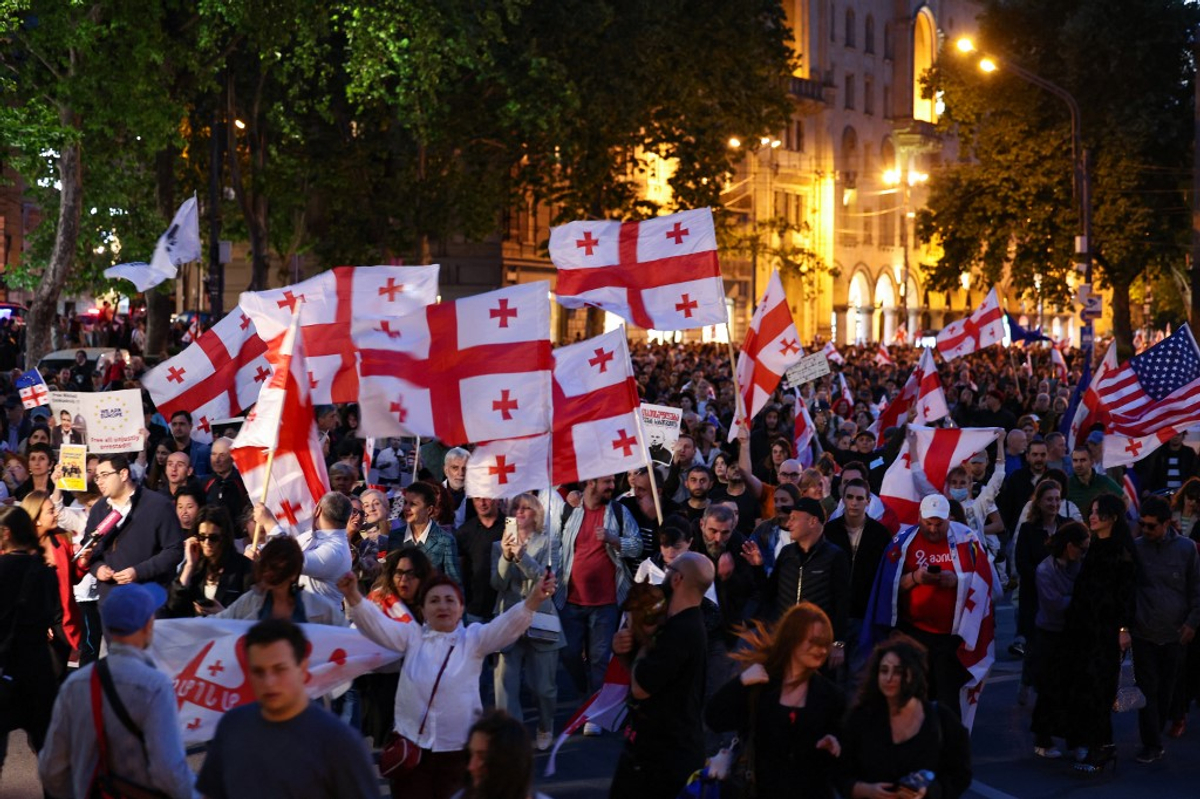
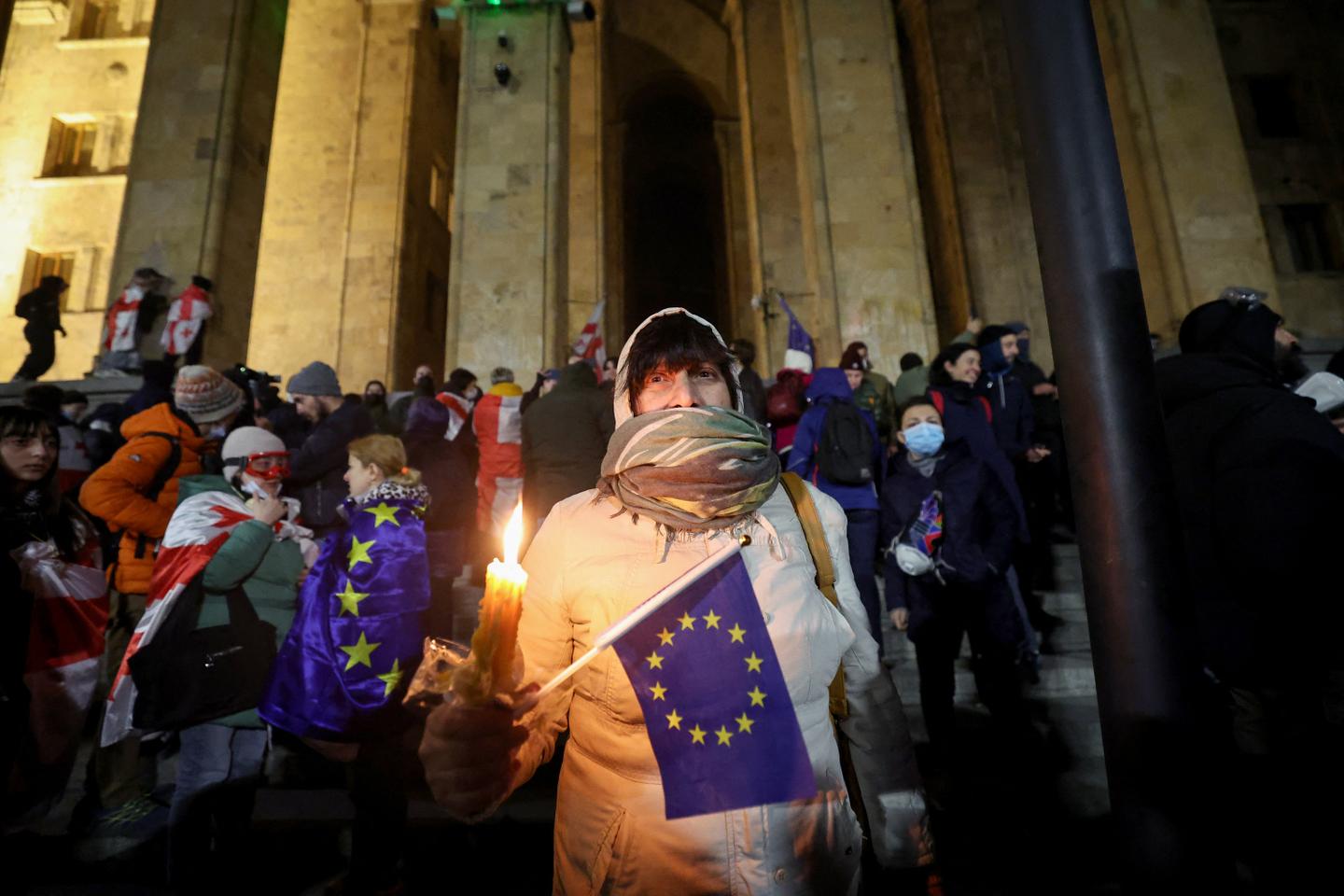
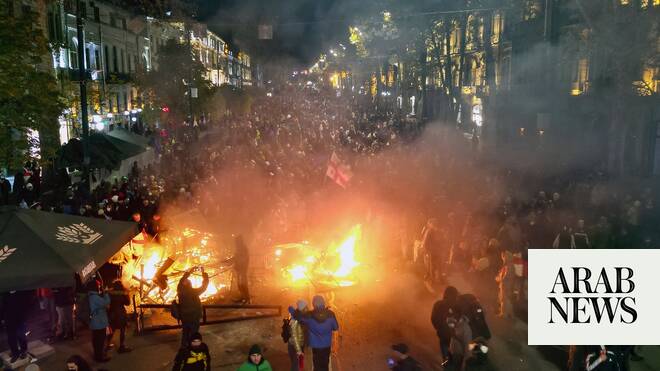
The events unfolded quickly. On November 28, 2024, Georgia announced the suspension of its integration process with the European Union, just 11 months after gaining candidate status. This decision shocked the population, 80% of whom identify as pro-Europe. Hundreds of thousands of people took to the streets to protest against the "Russian regime" – the nickname for the ruling government of this former Soviet republic in the Caucasus – accusing it of being under Moscow's control.
One year later, the leaderless protest movement continues, but faces an unyielding regime that pushes through repressive laws at a breakneck pace. Independent media, NGOs, the opposition, the civil service and universities are all under pressure to fall in line. Penalties for participating in gatherings have become harsher, restrictions on freedom of expression have increased, the crime of high treason has been reinstated, and a stricter version of the "foreign influence" law has come into force.
Additionally, criminal investigations have been launched against independent watchdog groups, including the International Society for Fair Elections and Democracy (ISFED), which monitors elections. The Public Service Bureau was dissolved, exposing civil servants to politically motivated dismissals. At the end of November, the ruling Georgian Dream party also announced a sweeping overhaul of the electoral code. This will force Georgian citizens living abroad – estimated at 1.5 million – to vote on Georgian soil in legislative elections.