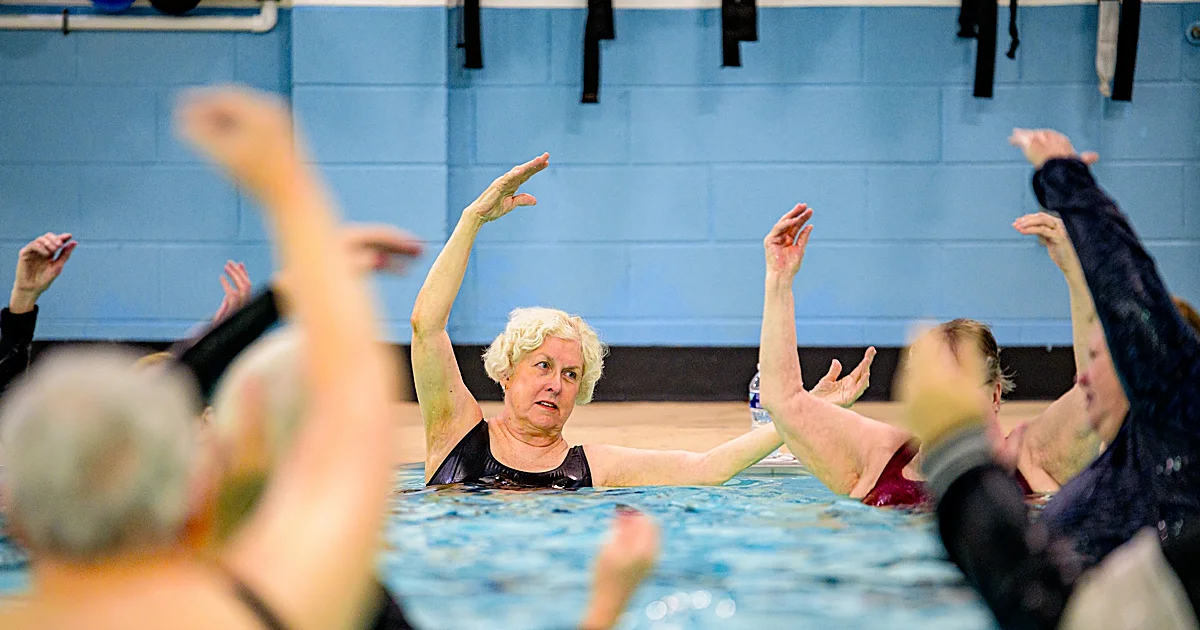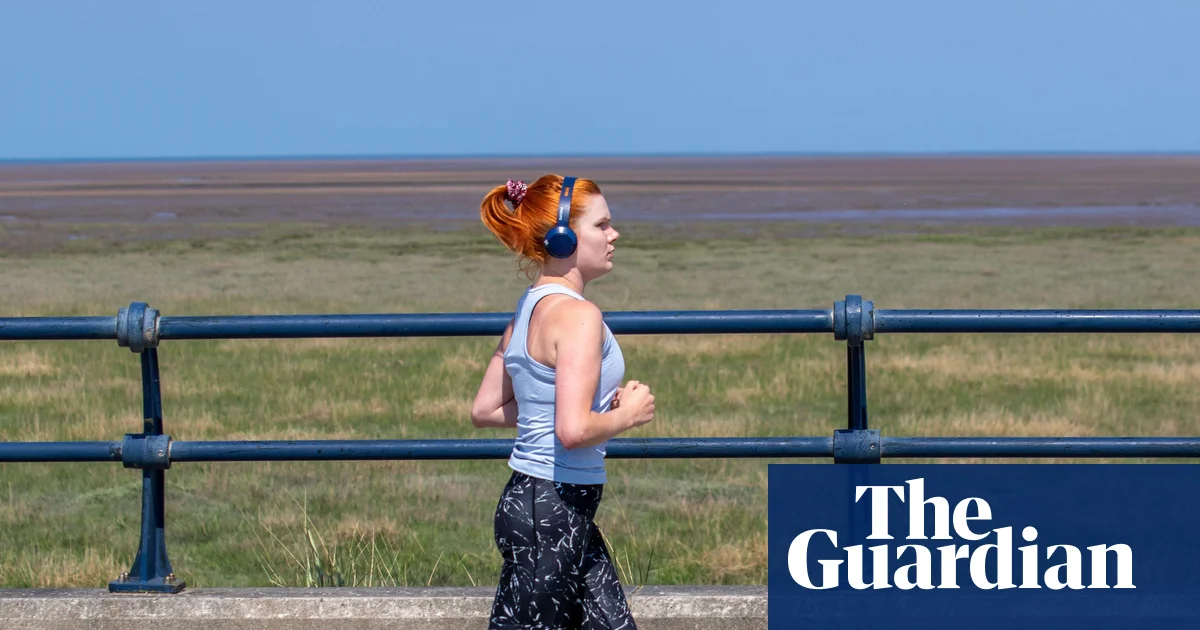
Exercise is one of the best things you can do to boost your odds of a long and healthy life. But research out this week might be setting the bar a bit too high, at least for the average weekend warrior. Scientists at Macao Polytechnic University in China and others examined data from a study of middle-aged residents in the UK. They found evidence that it took a sizeable amount of moderate-to-vigorous physical activity—roughly 10 hours a week—to greatly lower people’s risk of heart attacks and other cardiovascular disease. Though lighter exercise can still promote good heart health, the researchers argue that experts should be honest with people about these potentially higher benchmarks. “Current [exercise] guidelines provide a universal but modest safety margin, whereas optimal cardiovascular protection may require substantially higher activity volumes,” the authors wrote in their paper, published this week in the British Journal of Sports Medicine. A high threshold Studies have shown that any amount of exercise is better than none. That said, health organizations have generally recommended that people shoot for at least 150 minutes of moderate-to-vigorous physical activity a week—an amount consistently linked to various health improvements.
You Won't Believe How Much Exercise It Takes to Get 'Substantial' Heart Protection
New research suggests that it might take four times the current recommended level of exercise to significantly lower your odds of cardiovascular disease.
705 words~3 min read