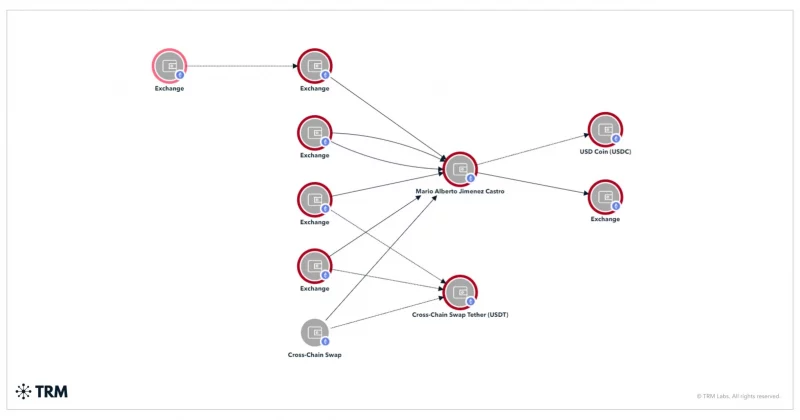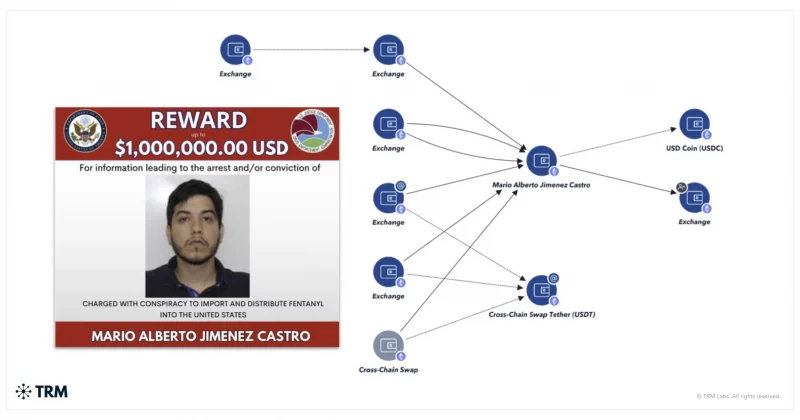
The US Treasury just put a money laundering network on blast for converting fentanyl street profits into cryptocurrency and wiring the proceeds south of the border. On May 20, the Office of Foreign Assets Control (OFAC) designated 11 individuals and two Mexican companies as part of a Sinaloa Cartel-linked operation, adding six Ethereum addresses to the Specially Designated Nationals (SDN) list in the process.
For crypto exchanges and DeFi platforms operating in or serving the US market, those six wallet addresses are now radioactive. Any entity that processes transactions involving them faces strict liability, meaning civil penalties can land even without intent or knowledge.
A restaurant, a security firm, and a cartel walk into a blockchain
The two companies named in the designation are Gorditas Chiwas, described as a restaurant, and Grupo Especial Mamba Negra, a security firm. Both were allegedly used as front operations to launder drug sales proceeds.
The scheme, according to the Treasury’s action, worked like a classic layering operation with a modern twist. Cash from fentanyl sales in the US was converted into cryptocurrency, which was then transferred to Mexico. Think of it as the cartel version of a remittance service, except the “remittance” is drug money routed through Ethereum wallets instead of Western Union.