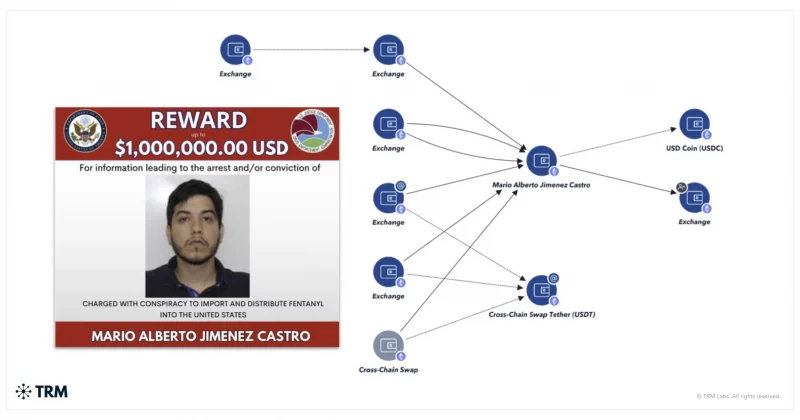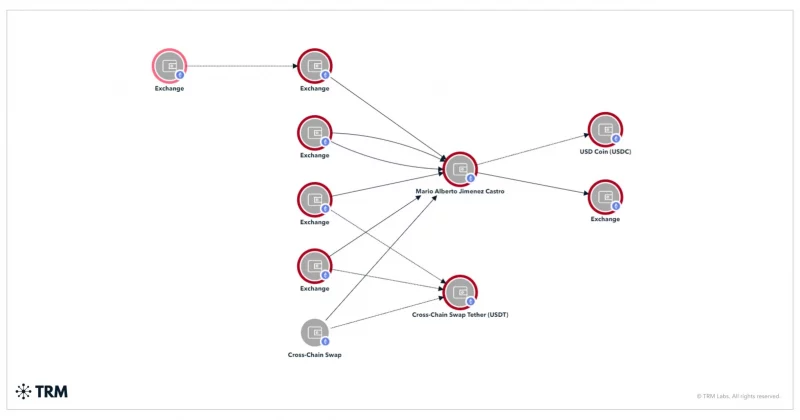
The US Treasury just made it significantly harder for one of the world’s most notorious drug cartels to use crypto as a financial escape hatch. The Office of Foreign Assets Control sanctioned over a dozen individuals and entities connected to the Sinaloa Cartel for allegedly laundering fentanyl proceeds through digital assets.
The operation targeted a network that converted bulk cash from fentanyl sales into cryptocurrency, using a combination of ATMs, exchanges, and shell companies in Mexico to move dirty money beyond the reach of traditional banking controls. Think of it as a high-tech money laundering assembly line: street-level drug cash goes in one end, and relatively clean-looking crypto comes out the other.
How the network operated
The sanctioned network’s playbook was built around speed and obfuscation. Large amounts of cash were deposited into crypto ATMs and exchanges, then rapidly transferred to external wallets before compliance teams could flag the activity. Mexican front companies provided an additional layer of cover, disguising where the money actually came from.
In English: the cartel was running a parallel financial system. Instead of trying to sneak suitcases of cash through regulated banks, which have decades of anti-money laundering infrastructure, they exploited the gaps in crypto’s compliance ecosystem.