The US Treasury’s Office of Foreign Assets Control has been waging a quiet financial war against the Sinaloa Cartel, and cryptocurrency wallets are now firmly in the crosshairs. OFAC has sanctioned individuals, entities, and specific Ethereum addresses connected to the cartel’s fentanyl trafficking network, marking a significant escalation in how the federal government traces and disrupts drug money flowing through digital assets.
The move reflects a broader reality that Washington has been grappling with for years: the same technology that powers decentralized finance is also powering one of the deadliest drug pipelines in American history.
Following the money on-chain
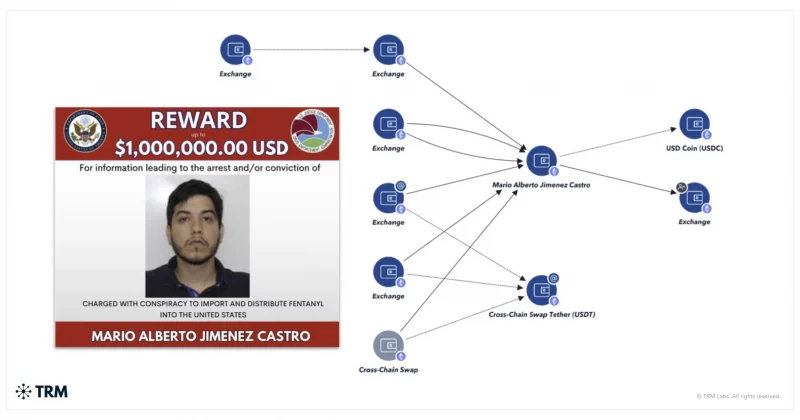
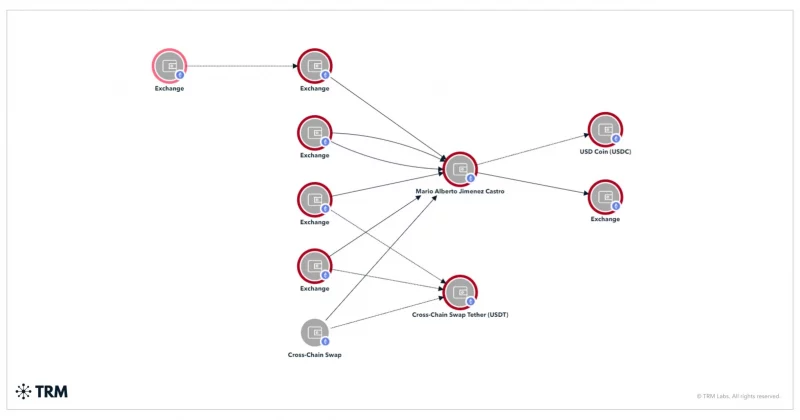
One of the most notable actions in this campaign came on September 26, 2023, when OFAC sanctioned Mario Alberto Jiménez Castro, a money launderer tied to the Sinaloa Cartel. That sanction included a specific Ethereum wallet address linked to Jiménez Castro, one that had received approximately $740,000 over an 11-month period.
That detail matters. It was the first time OFAC publicly tied a Mexican cartel to a specific cryptocurrency address. In English: the Treasury basically put a neon sign on a blockchain wallet and told the entire crypto ecosystem, “touch this and you’re in violation of US sanctions law.”