Google finds itself in the corporate equivalent of renovating a house while still living in it. The company is aggressively pushing AI across its entire product suite, but it has to do so without undermining the search advertising business that generates the vast majority of its revenue.
It’s a tension that sounds straightforward on paper but is genuinely treacherous in practice. Every AI feature that answers a user’s question directly is, in theory, one fewer click on a search result. And fewer clicks means less ad revenue.
The AI-first pivot and what it costs
Google has been layering AI into its products for years now. Gmail’s Smart Reply, the nudging features that remind you to follow up on emails, predictive text across Workspace. These aren’t new. But the generative AI wave, the one that lets chatbots synthesize full answers rather than pointing users to ten blue links, represents something fundamentally different.
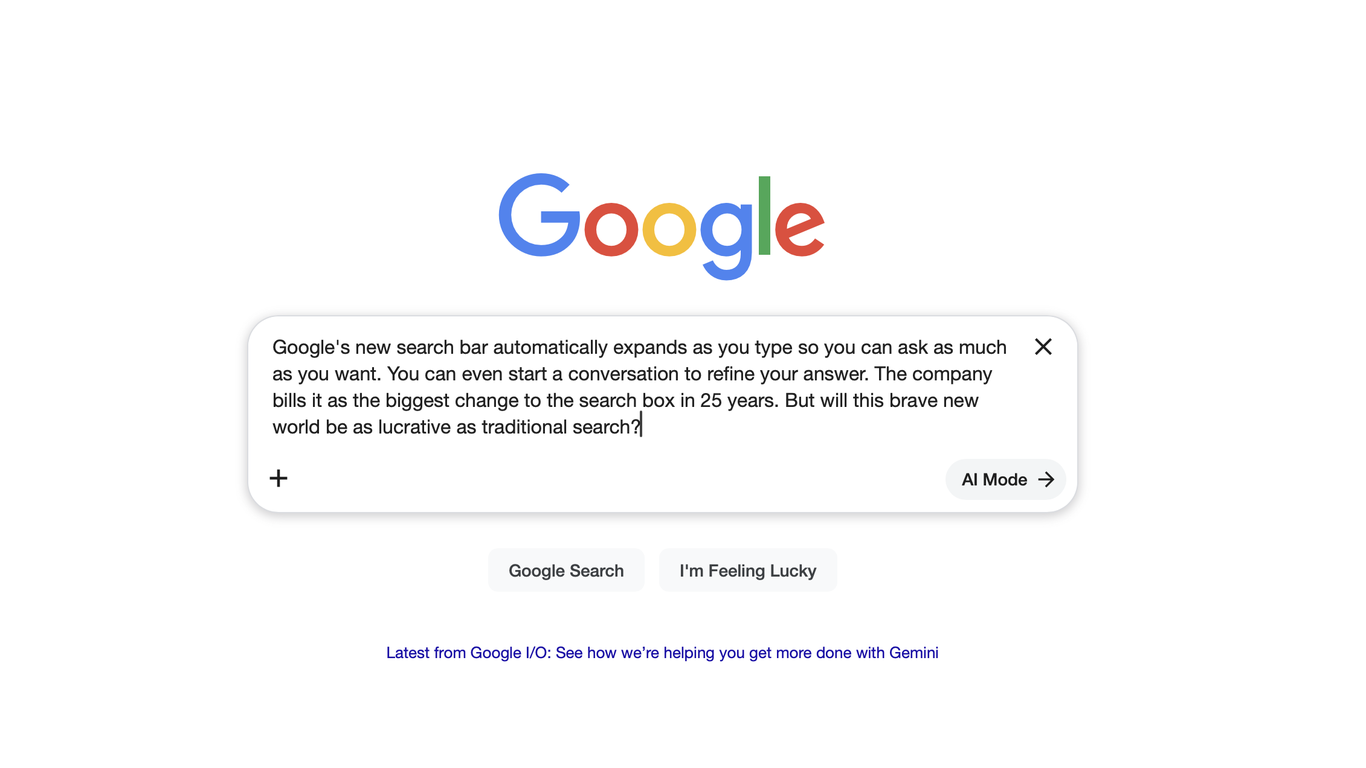
Here’s the thing. Traditional search works because users click through to websites, and those clicks are what advertisers pay for. Generative AI changes the discovery behavior entirely. Instead of browsing a list of results, users increasingly expect a single, synthesized answer delivered right in the search interface.