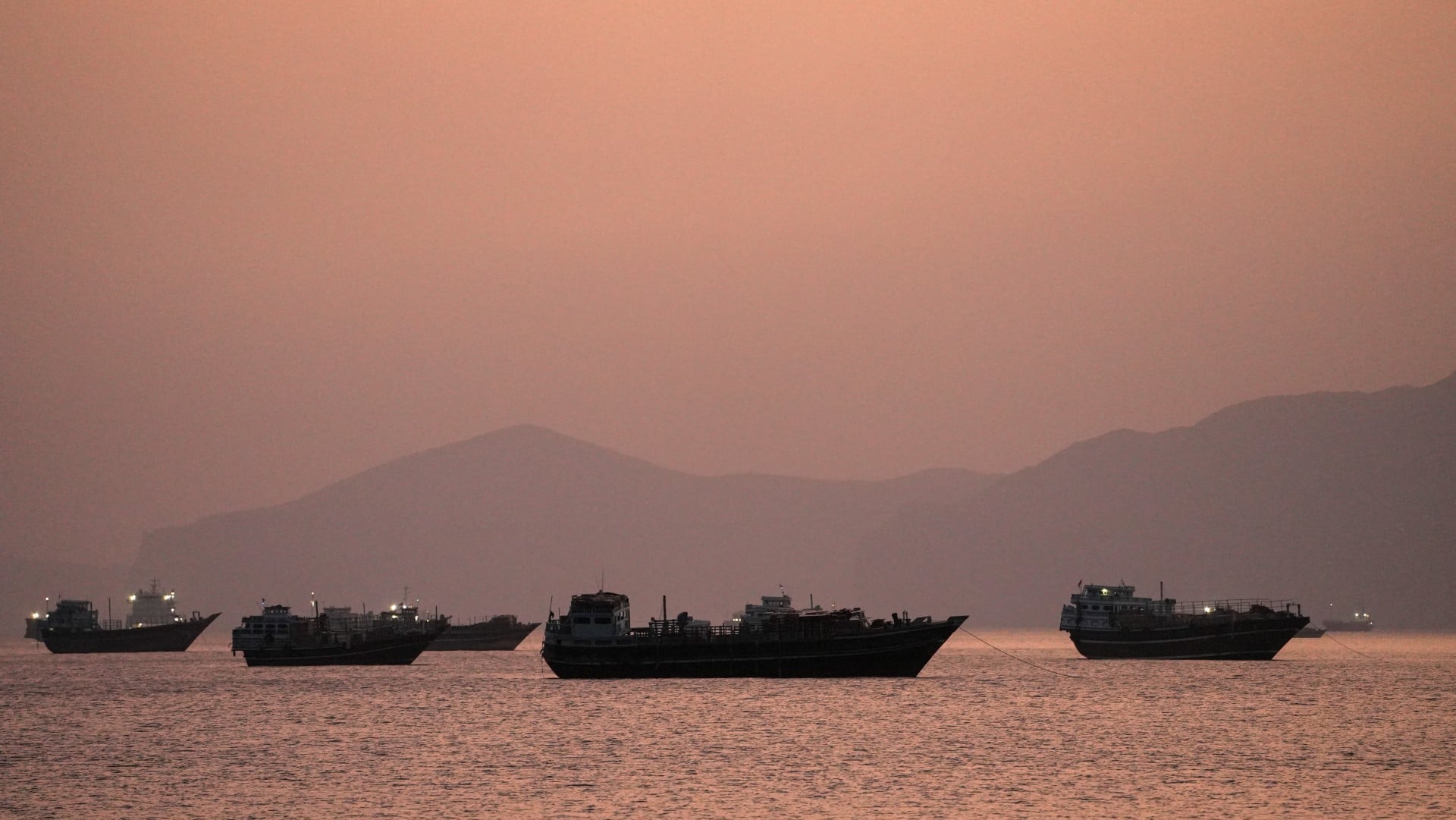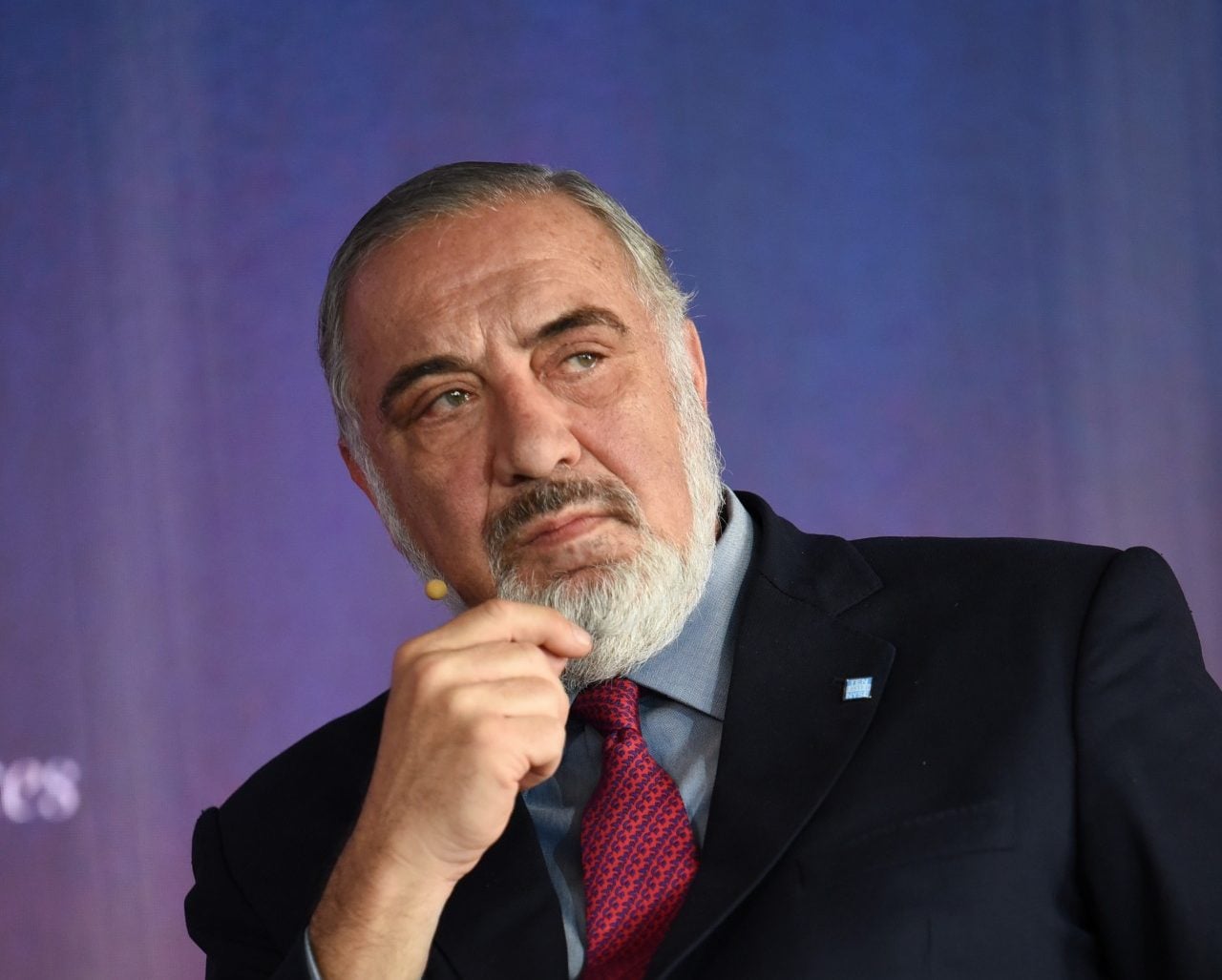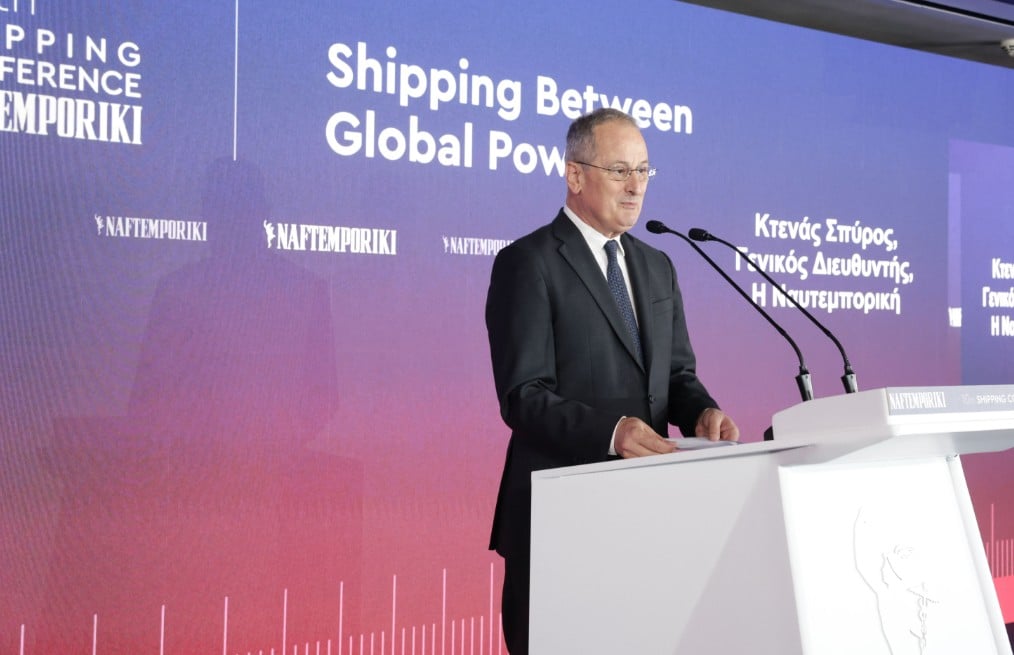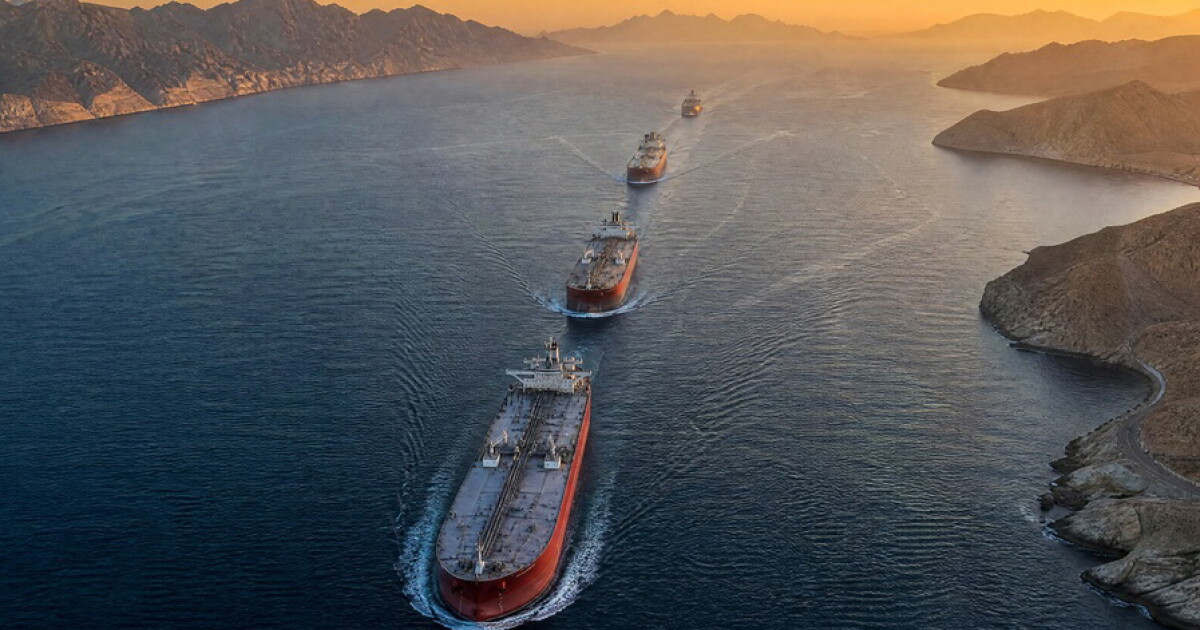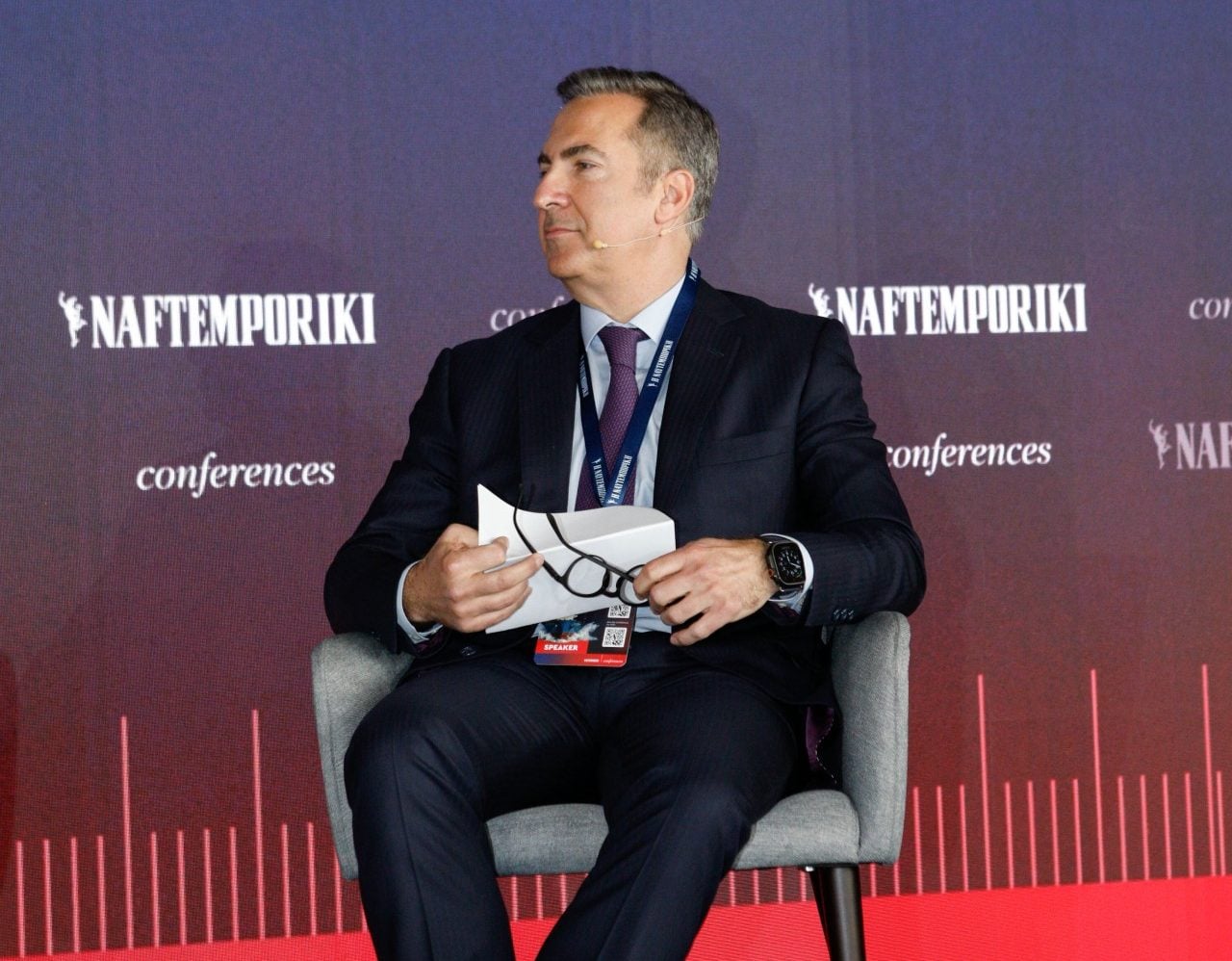
Stamatis Tsantanis, CEO of Seanergy Maritime Holdings, spoke about the short-term and long-term consequences of a closure of the Strait of Hormuz during Naftemporiki’s 10th Shipping Conference.Tsantanis first focused on the negative consequences: rising fuel prices and reduced availability of key raw materials. As he noted, 6 to 7 million barrels of oil are not entering the system on a daily basis. “This keeps accumulating over time and represents a huge problem that we will see unfold in the immediate future,” he said.The long-term lesson At the same time, he estimated that the crisis could serve as a second major “wake-up call” for economies, following Russia’s invasion of Ukraine. According to him, countries will move toward greater energy autonomy, stronger investment in renewable energy sources and reduced dependence on regions heavily affected by geopolitical crises.The strength of Greek shippingTsantanis stressed that Greek shipping has managed to remain in a relatively neutral zone despite the conflicts among major powers. As he underlined, the fact that Greece controls such a large share of the global merchant fleet constitutes a major geopolitical asset.
Προτιμώμενη πηγή στην Google