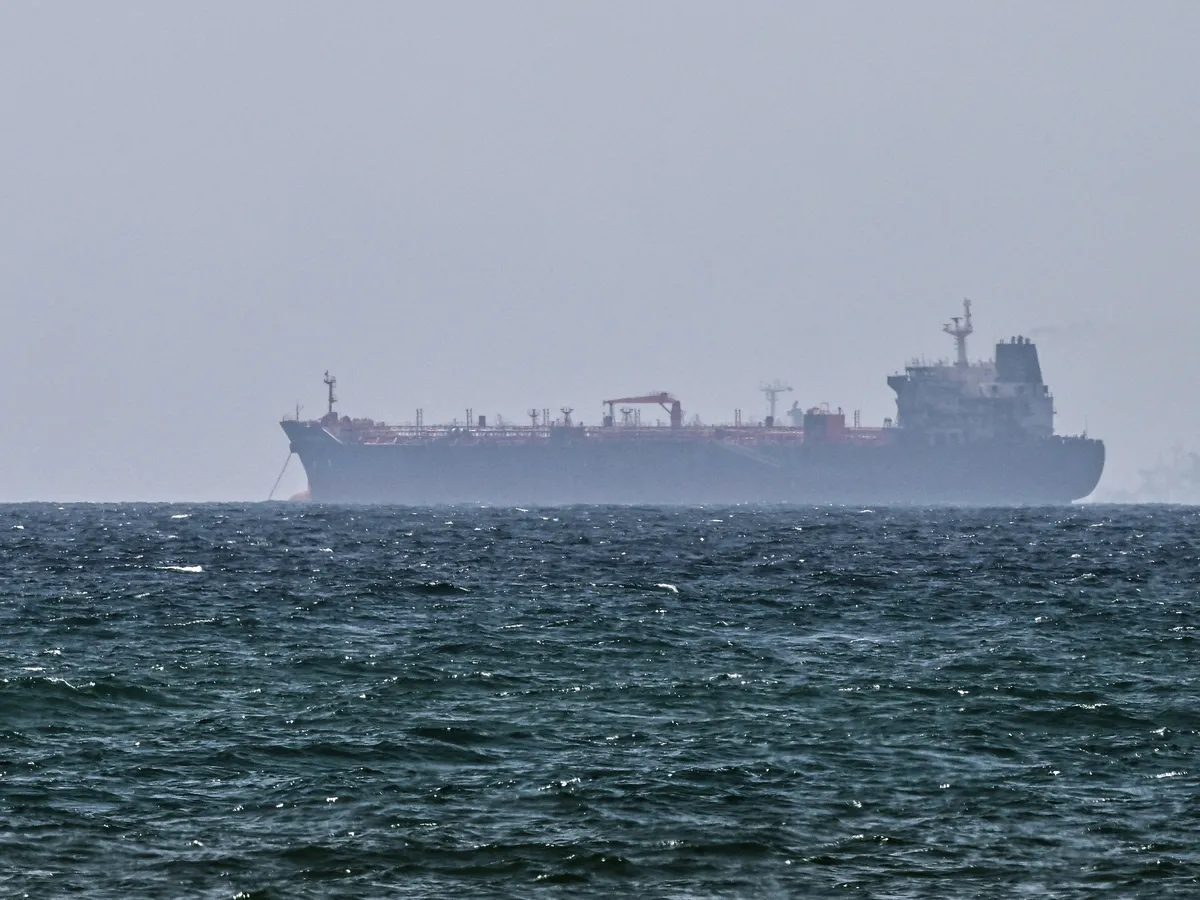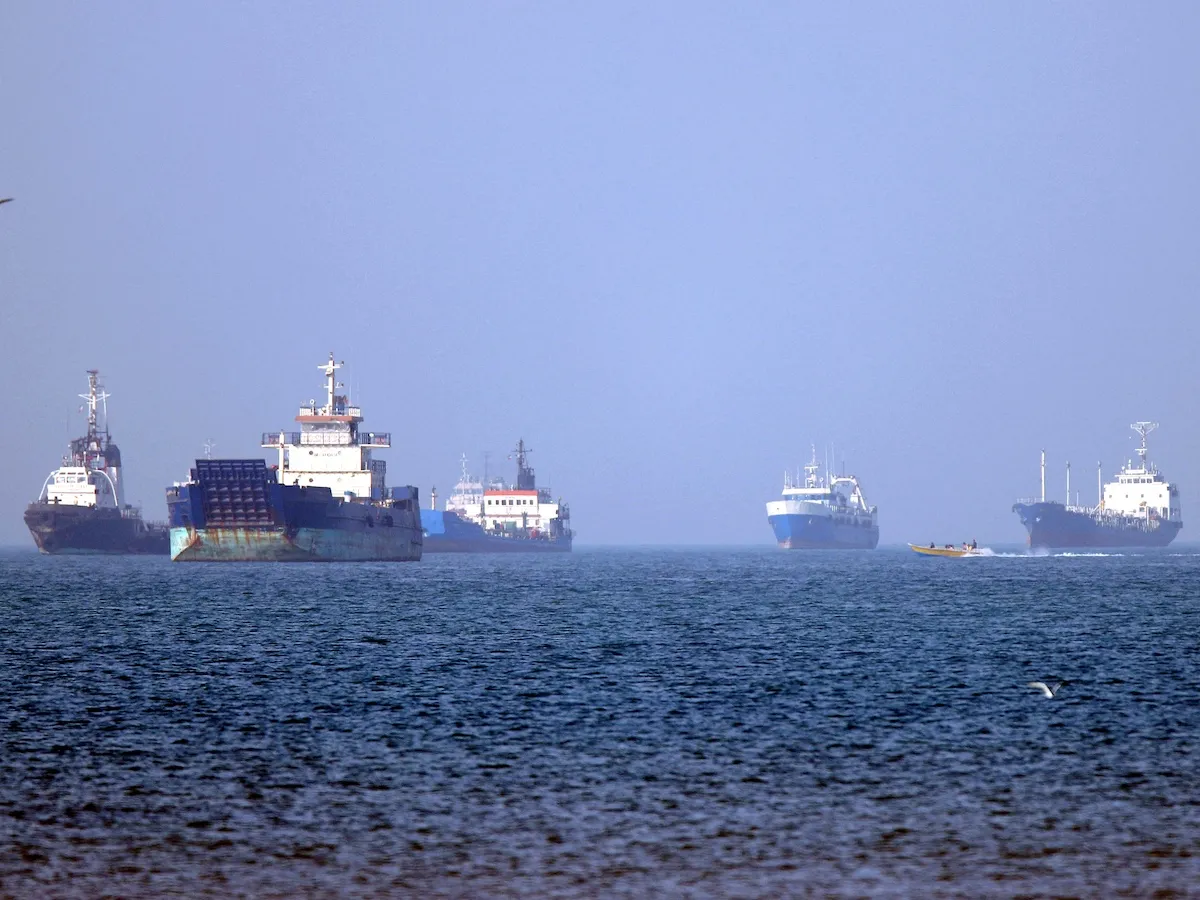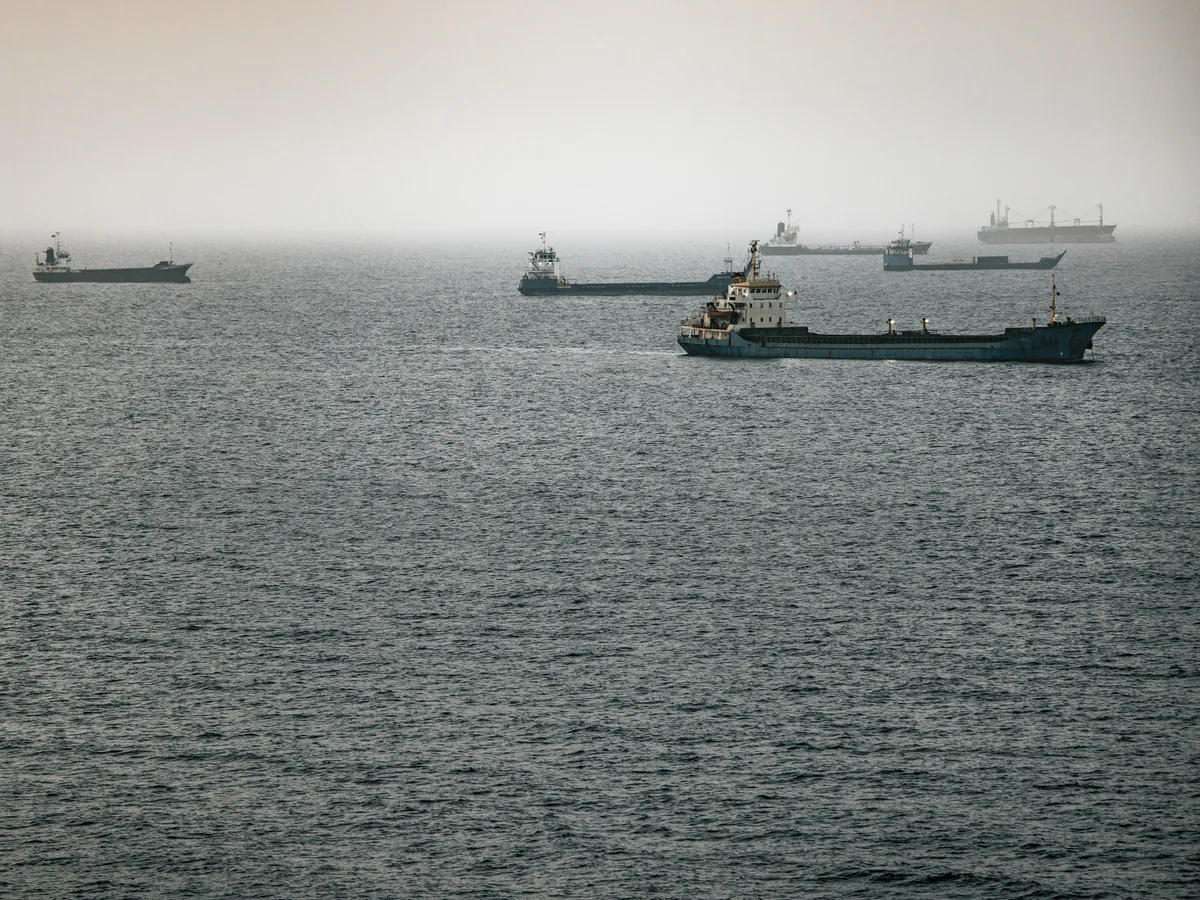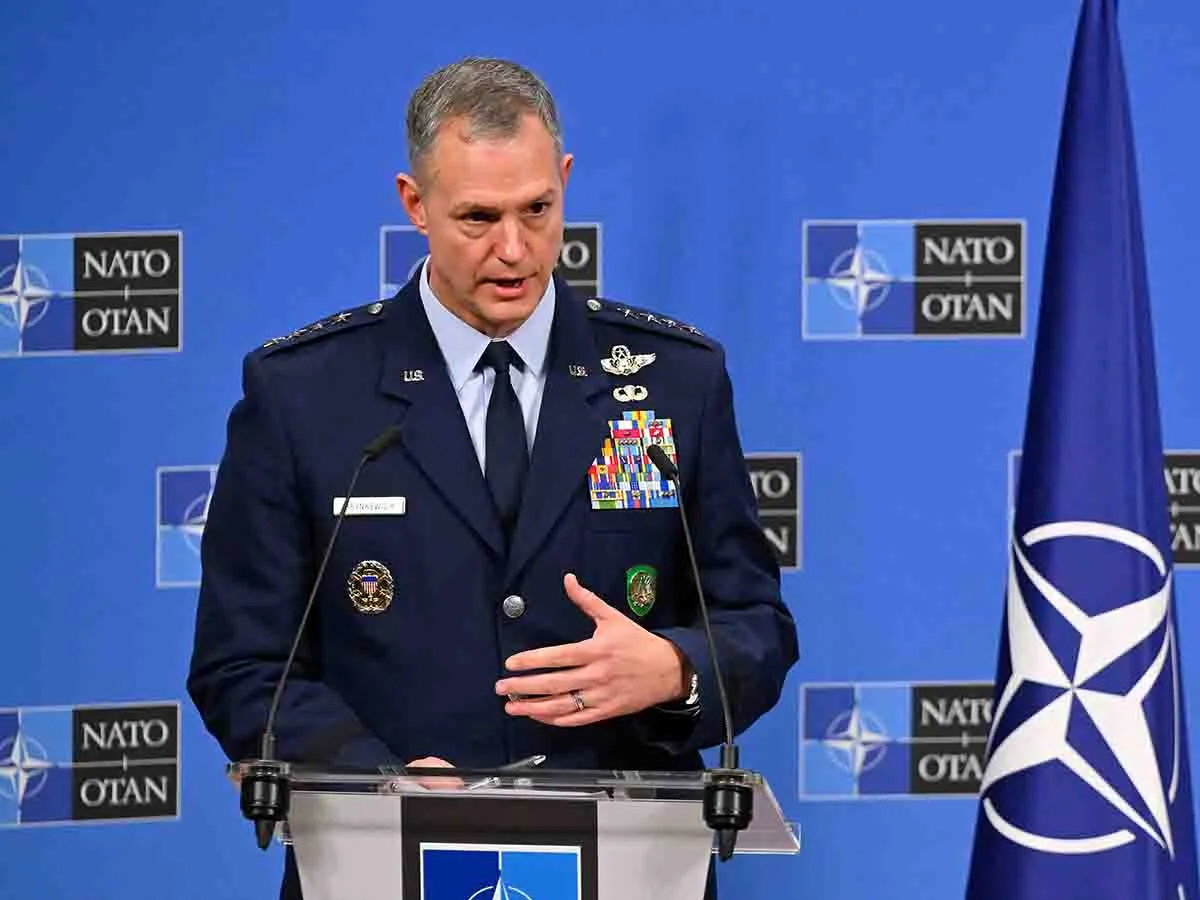
Skip to Content News Archives Economy Energy Oil & Gas Renewables Electric Vehicles Mining Commodities Agriculture Real Estate Mortgages Mortgage Rates Finance Banking Insurance Fintech Cryptocurrency Work Wealth Smart Money Wealth Management Investor Personal Finance Family Finance Retirement Taxes High Net Worth FP Comment Executive Women Puzzmo Newsletters Financial Times Business Essentials More Innovation Information Technology FP500 Podcasts Small Business Lives Told Tails Told Shopping Financial Post Store Obituaries Place a Notice Advertising Advertising With Us Advertising Solutions Postmedia Ad Manager Sponsorship Requests Classifieds Place a Classifieds ad Working Profile Settings My Subscriptions Saved Articles My Offers Newsletters Customer Service FAQ News Economy Energy Mining Real Estate Finance Work Wealth Investor FP Comment Executive Women Puzzmo Newsletters Financial Times Business Essentials HomeNewsPMN BusinessNATO is starting to consider Hormuz mission to protect shipsMilitary alliance is discussing the possibility of assisting vessels to pass through the blocked waterway if it isn’t reopened by early July, says a senior officialAuthor of the article:Last updated 58 minutes ago You can save this article by registering for free here. Or sign-in if you have an account.General Alexus G. Grynkewich, NATO’s supreme allied commander Europe, speaks during a press conference after a Military Committee in Chiefs of Defence Session at the NATO headquarters in Brussels on May 19, 2026. Photo by JOHN THYS /AFP via Getty ImagesNATO is discussing the possibility of helping ships pass through the blocked Strait of Hormuz if the waterway isn’t reopened by early July, according to a senior official in the military alliance.Subscribe now to read the latest news in your city and across Canada.Exclusive articles from Barbara Shecter, Joe O'Connor, Gabriel Friedman, and others.Daily content from Financial Times, the world's leading global business publication.Unlimited online access to read articles from Financial Post, National Post and 15 news sites across Canada with one account.National Post ePaper, an electronic replica of the print edition to view on any device, share and comment on.Daily puzzles, including the New York Times Crossword.Subscribe now to read the latest news in your city and across Canada.Exclusive articles from Barbara Shecter, Joe O'Connor, Gabriel Friedman and others.Daily content from Financial Times, the world's leading global business publication.Unlimited online access to read articles from Financial Post, National Post and 15 news sites across Canada with one account.National Post ePaper, an electronic replica of the print edition to view on any device, share and comment on.Daily puzzles, including the New York Times Crossword.Create an account or sign in to continue with your reading experience.Access articles from across Canada with one account.Share your thoughts and join the conversation in the comments.Enjoy additional articles per month.Get email updates from your favourite authors.Create an account or sign in to continue with your reading experience.Access articles from across Canada with one accountShare your thoughts and join the conversation in the commentsEnjoy additional articles per monthGet email updates from your favourite authorsSign In or Create an AccountorThe idea has support from several members of the North Atlantic Treaty Organization, but doesn’t yet have the necessary unanimous support, said a diplomat from a NATO country. Both officials spoke on the condition of anonymity. Leaders from NATO countries will meet in Ankara July 7-8.“The political direction comes first, and then the formal planning happens after that,” said Alexus Grynkewich, NATO’s supreme allied commander Europe, when asked about the possibility at a Tuesday press conference. “Am I thinking about it? Absolutely.”Breaking business news, incisive views, must-reads and market signals. Weekdays by 9 a.m.By signing up you consent to receive the above newsletter from Postmedia Network Inc.A welcome email is on its way. If you don't see it, please check your junk folder.The next issue of Posthaste will soon be in your inbox.We encountered an issue signing you up. Please try againSuch a move would represent a shift in the military alliance’s strategy toward the U.S.-Israeli war in Iran. Thus far, allies have insisted they would only be involved in the strait once fighting has stopped and they can form a broad coalition that includes many non-NATO countries.But economic woes are deepening, with the strait’s closure sending energy prices soaring and growth forecasts tumbling.It’s unclear exactly how NATO countries could guarantee safe passage for commercial vessels through the strait. A recent U.S. attempt to do that was halted within days of being launched, despite Washington’s considerable military capabilities.A spokesperson for NATO didn’t immediately reply to a request for comment.Iran initially blocked the Strait of Hormuz — which transits roughly a fifth of global oil and liquefied natural gas supplies — after the United States and Israel began bombing the country in late February.The passageway has since become a source of tension between the U.S. and its European allies in NATO, who refused to heed President Donald Trump’s demands that they help reopen the strait.Trump has repeatedly fumed about the reaction and Washington recently announced it would withdraw 5,000 troops from Germany.The senior NATO official said that while some allies still oppose authorizing an alliance mission for the strait, they would rally around the idea if the blockage persists.The NATO diplomat said that several allies do support intervening to help reopen the strait, but cautioned that others are still reluctant to be dragged into the conflict.Some NATO members like Spain have been unequivocal in their opposition to the war. Madrid even barred the U.S. from using its airspace and bases to attack Iran.Most allies, however, have quietly granted access to their bases to provide logistical support.A coalition led by France and the United Kingdom is also developing a plan to help secure navigation in the Strait of Hormuz once the fighting abates. Some countries have even positioned assets in the area in preparation.That hasn’t been enough to placate Trump, whose anger has been specifically targeted at Germany. So far, however, the U.S. has made no formal request for NATO involvement in the strait, Bloomberg previously reported.—With assistance from Max Ramsay. Join the Conversation This website uses cookies to personalize your content (including ads), and allows us to analyze our traffic. Read more about cookies here. By continuing to use our site, you agree to our Terms of Use and Privacy Policy.
NATO is starting to consider Hormuz mission to protect ships
NATO is discussing possibly helping ships pass through the blocked Strait of Hormuz if the waterway isn’t reopened by early July. Read on.
1,022 words~5 min read