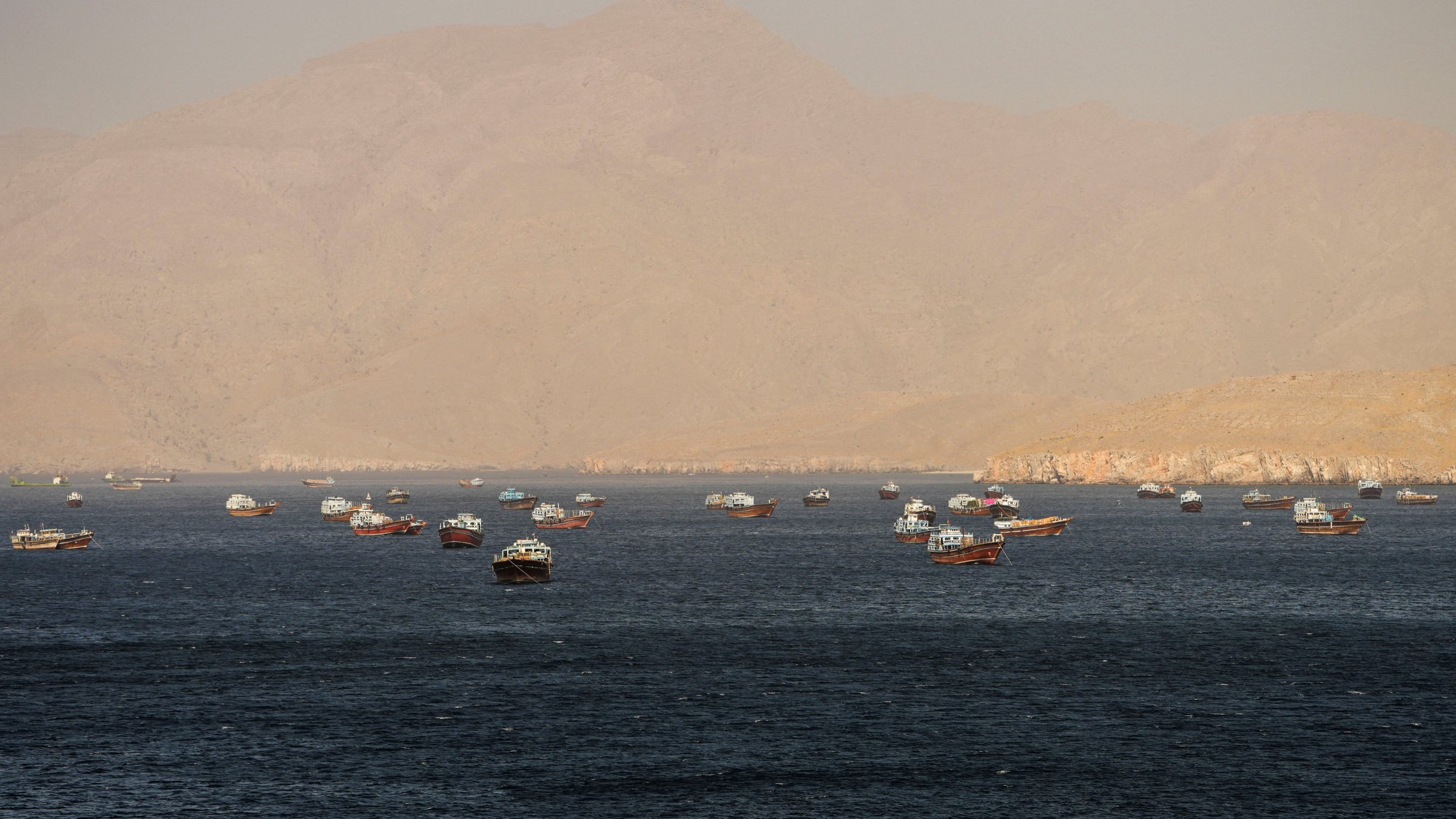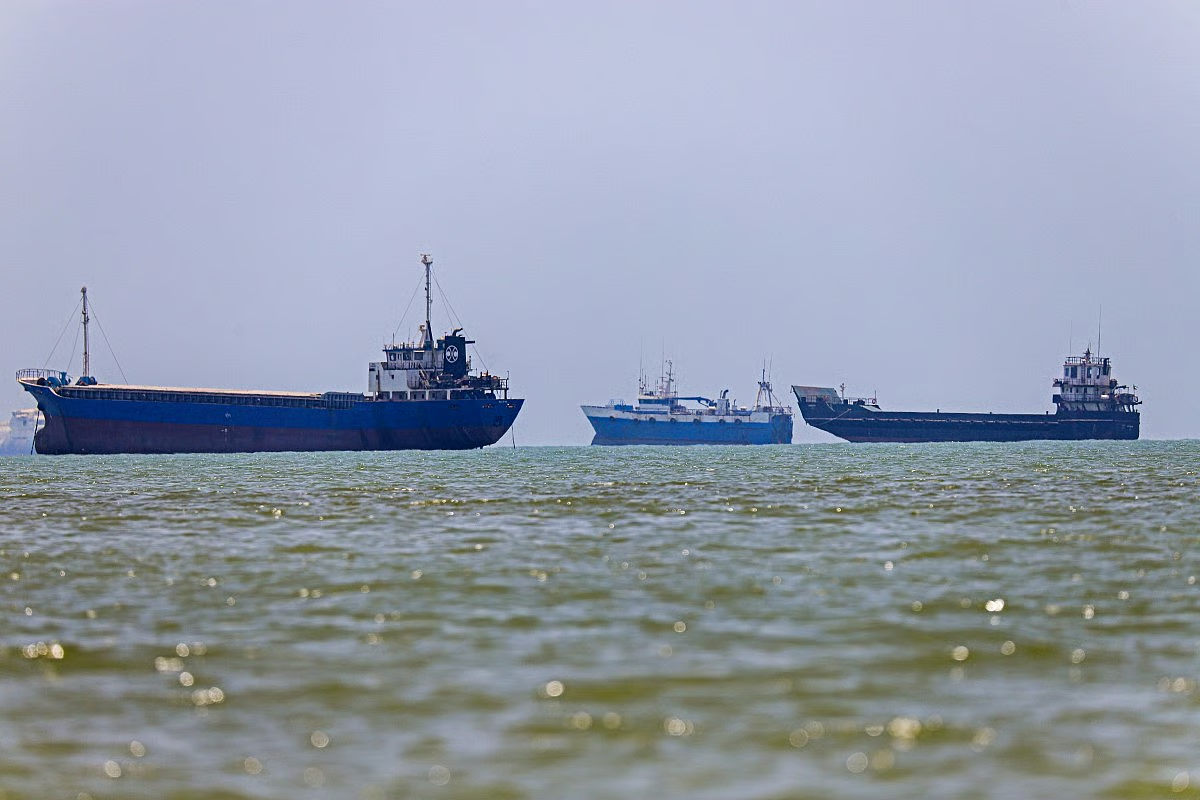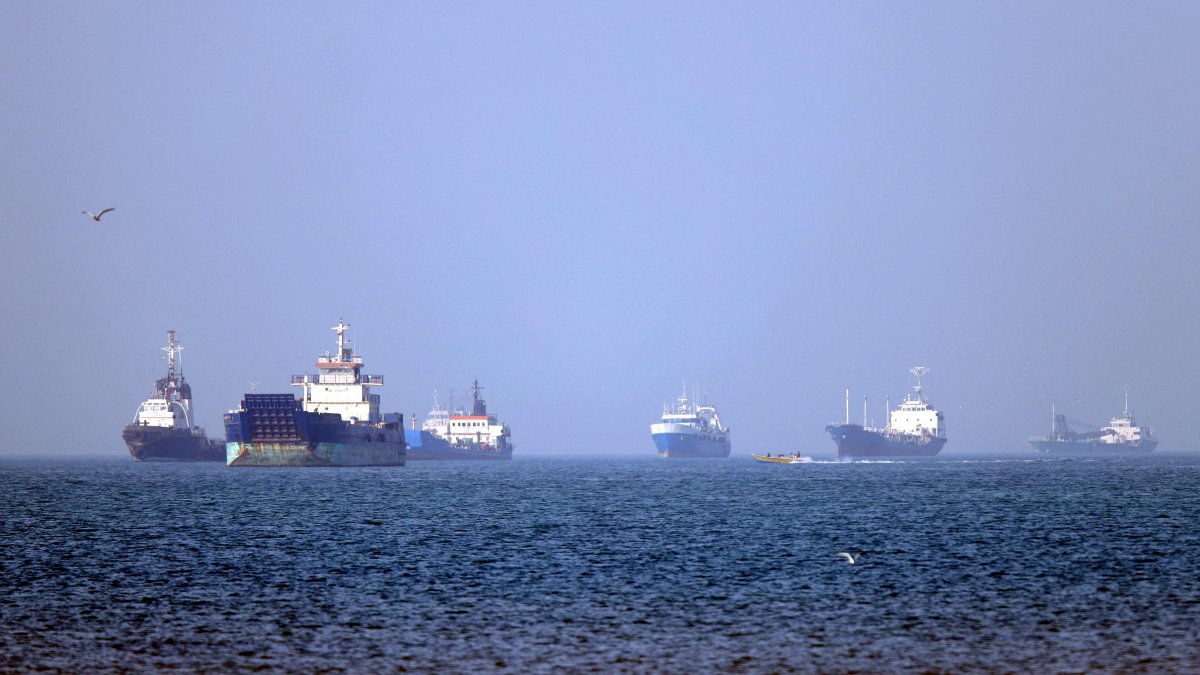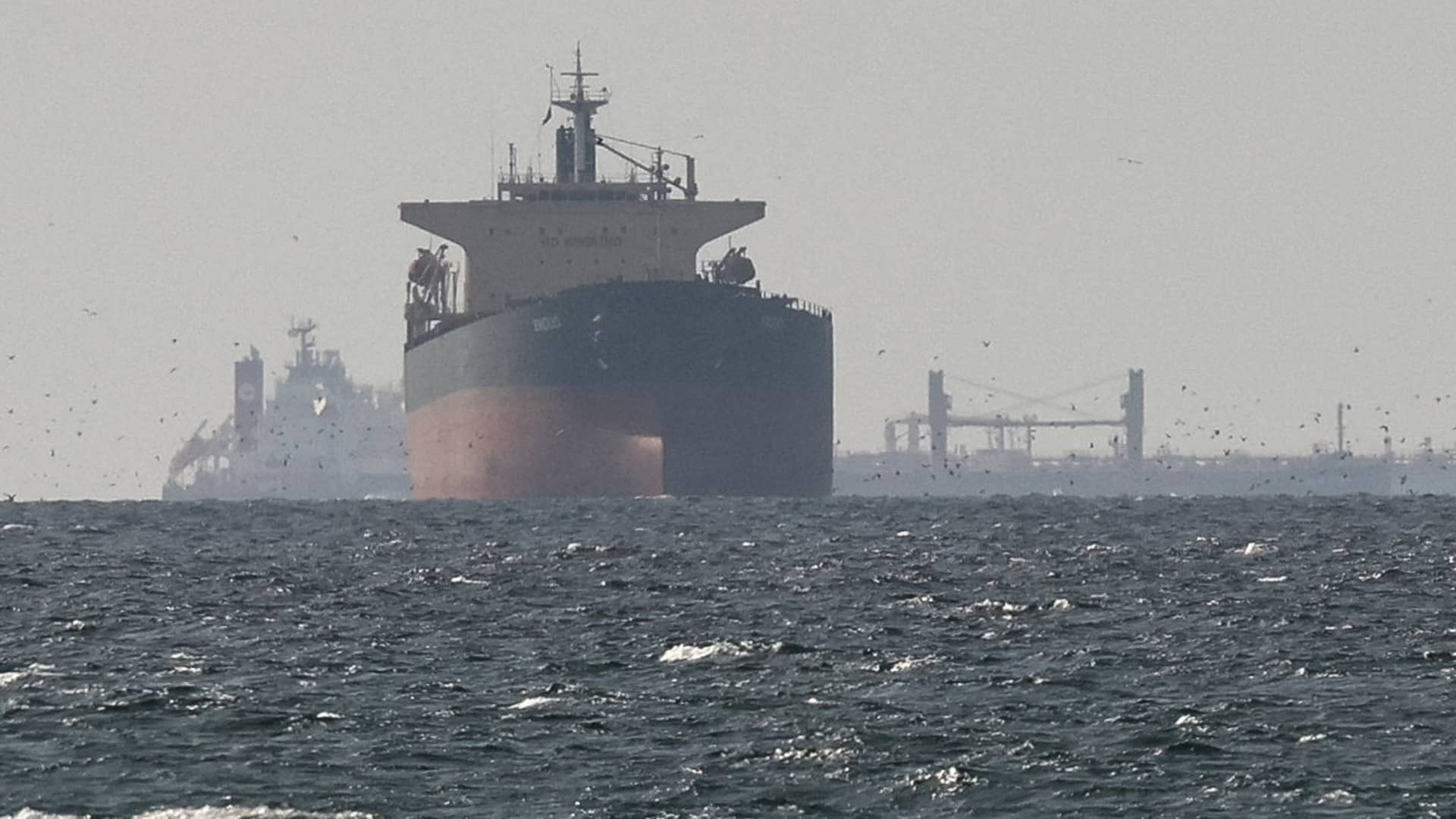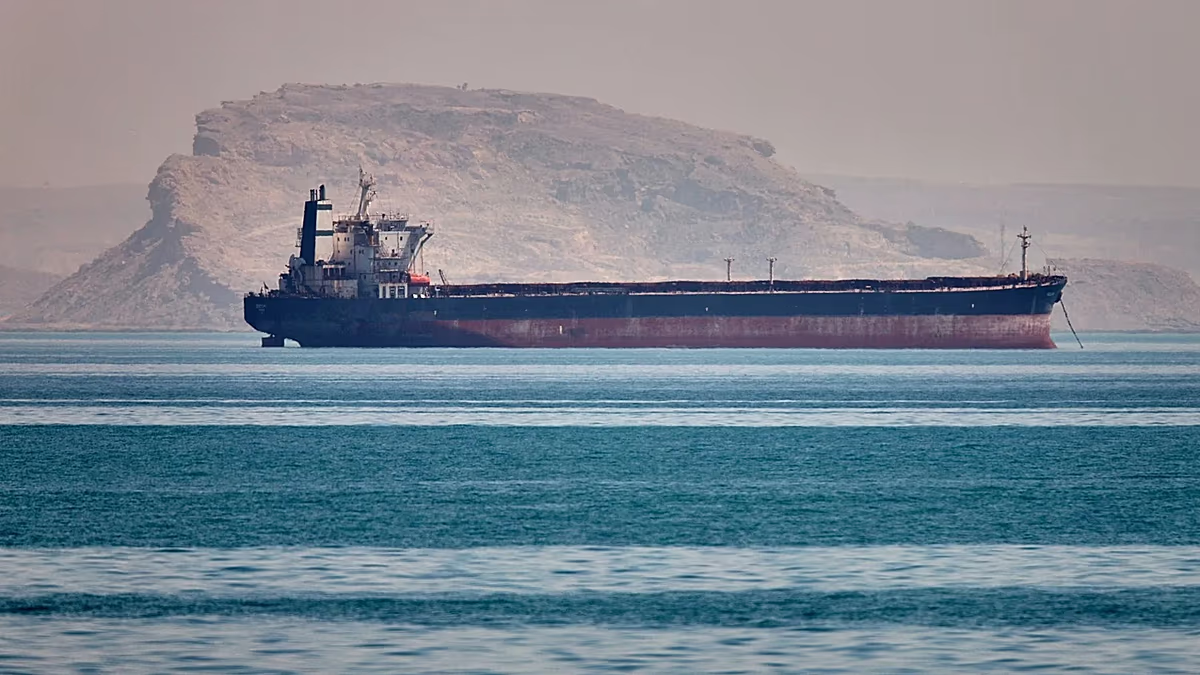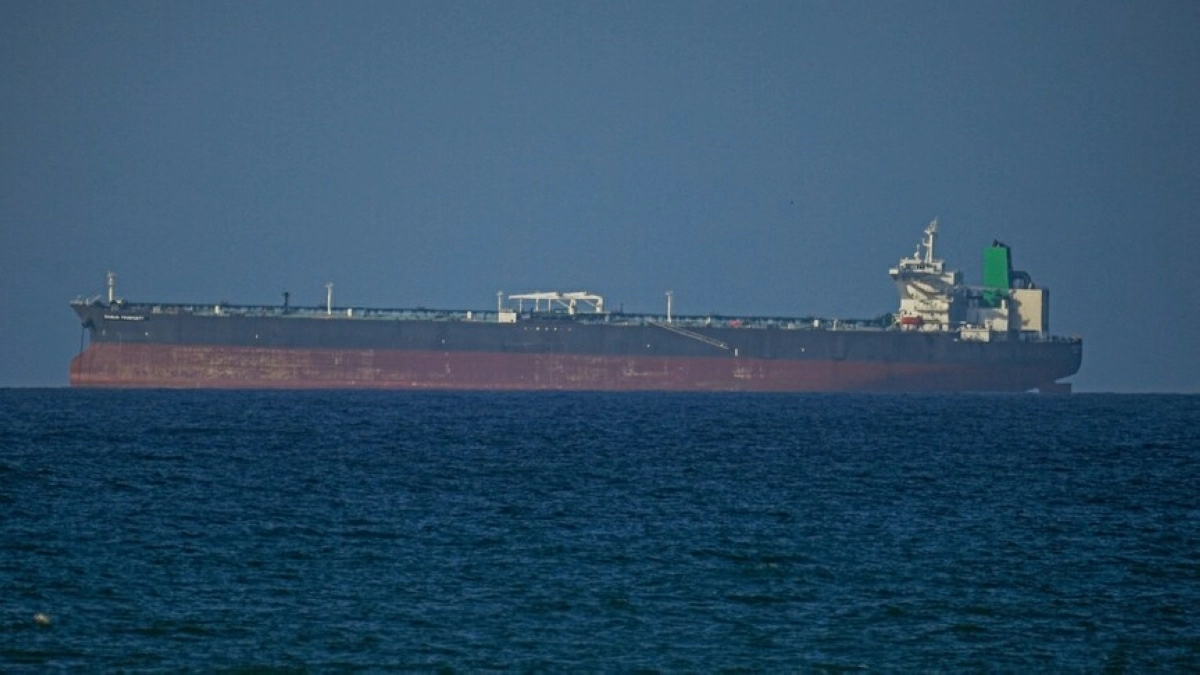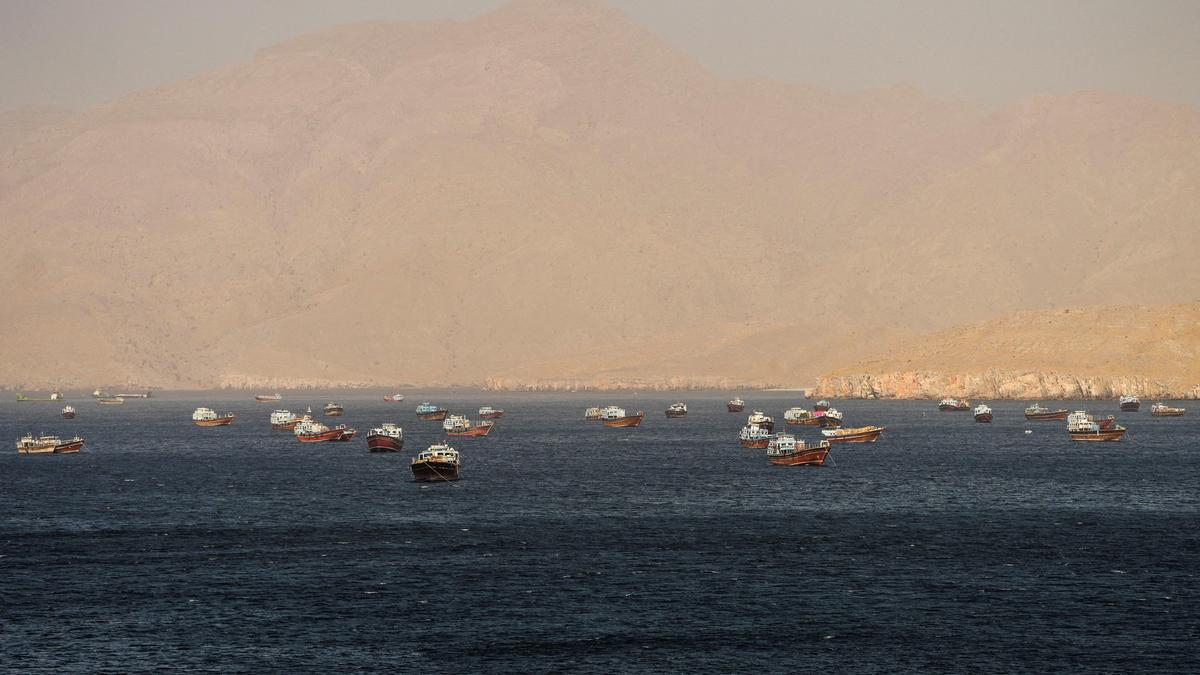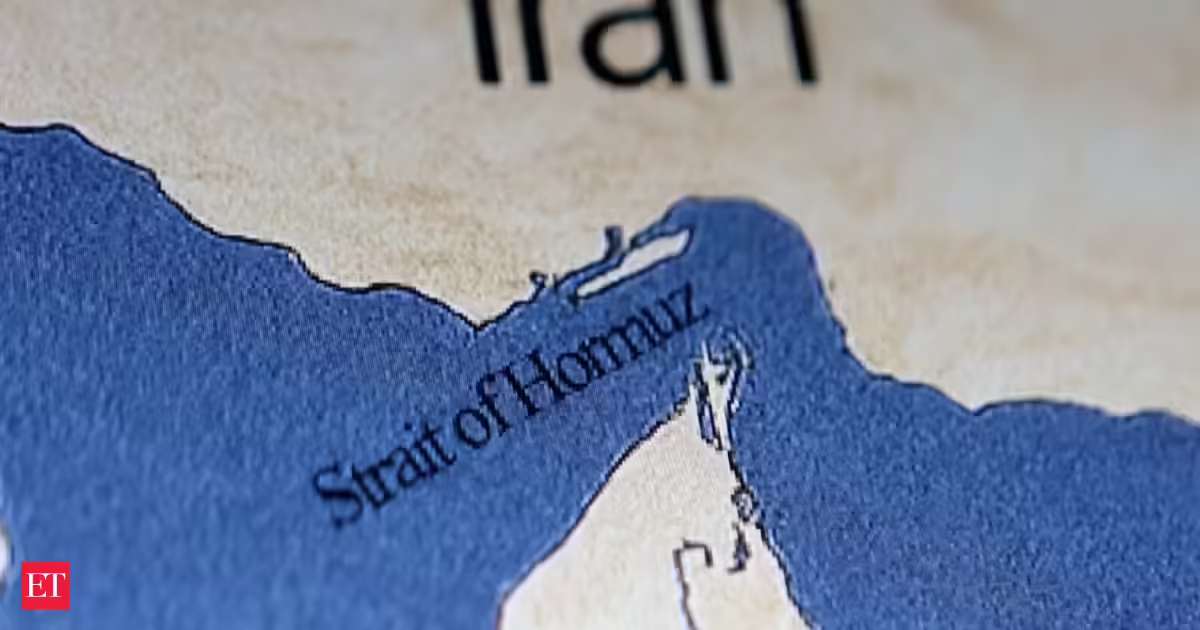
SynopsisIran is introducing a new system for the Strait of Hormuz. Commercial ships and nations cooperating with Tehran will receive priority passage. Specialized services will incur fees. This move comes amid rising Gulf tensions and concerns over global energy supplies. Several oil and gas carriers are already transiting the vital waterway.Listen to this article in summarized formatANIStrait of HormuzIran is preparing a new mechanism to manage maritime traffic through the strategically vital Strait of Hormuz, with preferential access for commercial vessels and countries cooperating with Tehran, according to remarks by Ebrahim Azizi, the head of the Iranian parliament’s national security committee reported by Reuters.The Iranian official said Tehran had prepared a designated route management system for traffic in the Strait of Hormuz and that details of the mechanism would be unveiled soon.“In this process, only commercial vessels and parties cooperating with Iran will benefit from it,” the official said, according to Reuters.Also Read: Why Trump’s pressure tactics fail to bring Iran to negotiating tableIran also said “necessary fees” would be charged for specialised services provided under the proposed mechanism.The official added that the route would remain closed to operators linked to what he described as the “Freedom Project”.The comments come amid heightened tensions in the Gulf region and growing concerns over global energy supplies, with the Strait of Hormuz remaining one of the world’s most critical oil shipping routes.The remarks come as a growing number of oil, fuel and gas carriers cautiously resume transit through the Strait of Hormuz despite continued tensions between Iran, the US and Israel, underscoring the waterway’s critical role in global energy markets.Ship-tracking data showed at least 10 large vessels carrying oil, liquefied petroleum gas (LPG) and liquefied natural gas (LNG) had crossed Hormuz since Sunday, including India-bound LPG carriers Symi and NV Sunshine, as per Bloomberg.The vessels had temporarily switched off their transponders while navigating the sensitive route before reappearing in the Gulf of Oman, according to shipping data. NV Sunshine, carrying LPG from Abu Dhabi National Oil Co’s Ruwais refinery, was initially headed to Mangalore before changing its destination to Kandla in western India.Also Read: Trump says he and China's Xi agree Iran cannot have nuclear weaponsSeveral exporters in the Persian Gulf region, including Abu Dhabi National Oil Company, are continuing shipments through the strait, with some vessels moving without publicly broadcasting their locations.Iranian Foreign Minister Abbas Araghchi said in New Delhi on Friday that all vessels could pass through the Strait of Hormuz except those “at war” with Tehran, provided they coordinated with Iran’s navy.However, he described the situation around the waterway as “very complicated” amid stalled negotiations over a broader peace arrangement between Washington and Tehran.Iran had effectively restricted the strait — which normally handles about one-fifth of the world’s seaborne oil and gas supplies — after the US and Israel launched military operations against Iran earlier this year.Ceasefire talks mediated by Pakistan have since stalled, with both Tehran and Washington rejecting each other’s latest proposals last week.Araghchi said Iran had “no trust” in the US and pointed to “contradictory messages” from Washington that had deepened doubts over American intentions. He added that Tehran remained open to diplomatic efforts, including potential mediation support from China.“We hope that, with the advancement of negotiations, we will reach a good conclusion so that the Strait of Hormuz can be completely secured and we can expedite the normalisation of traffic through the strait,” Araghchi said.Read More News on
Iran plans new Hormuz transit mechanism, says only cooperating nations will benefit
Iran is introducing a new system for the Strait of Hormuz. Commercial ships and nations cooperating with Tehran will receive priority passage. Specialized services will incur fees. This move comes amid rising Gulf tensions and concerns over global energy supplies. Several oil and gas carriers are already transiting the vital waterway.
572 words~3 min read