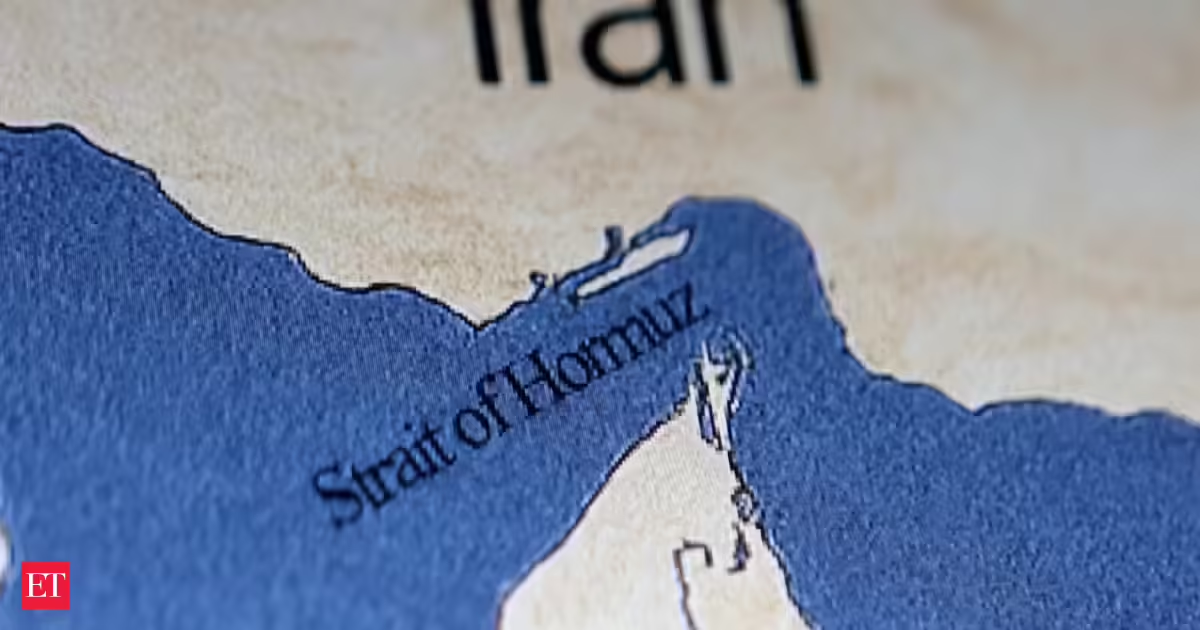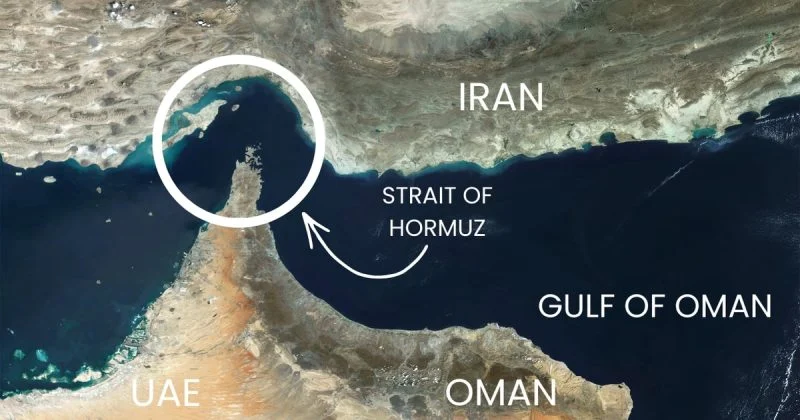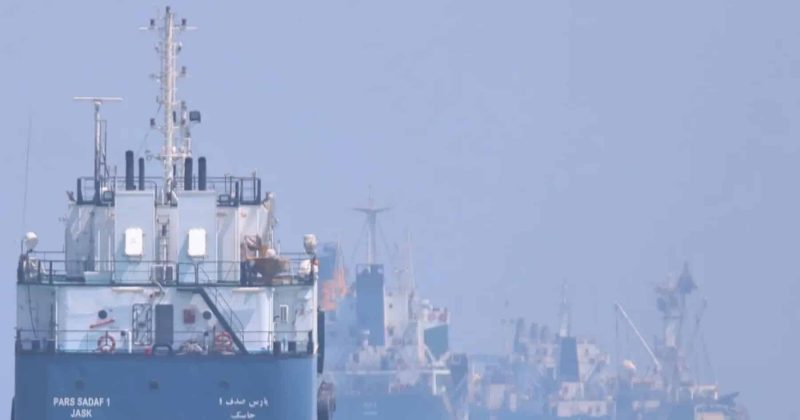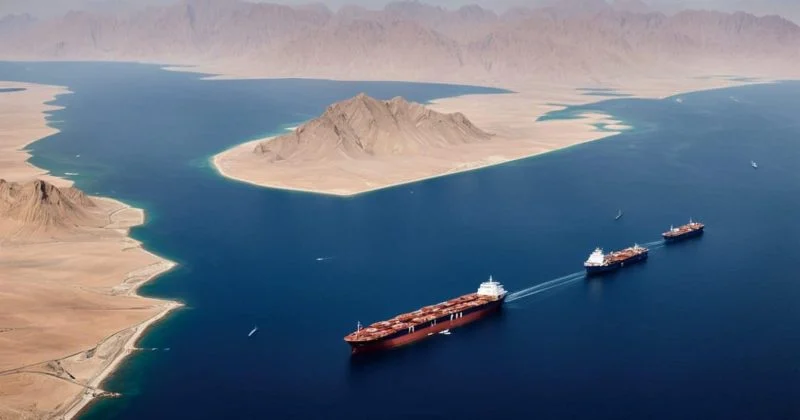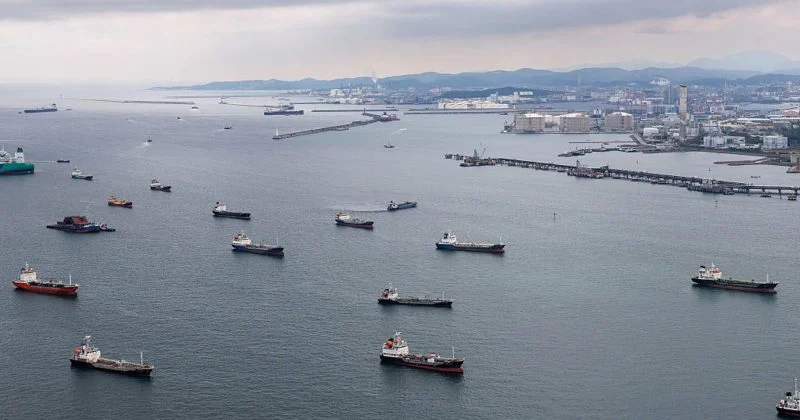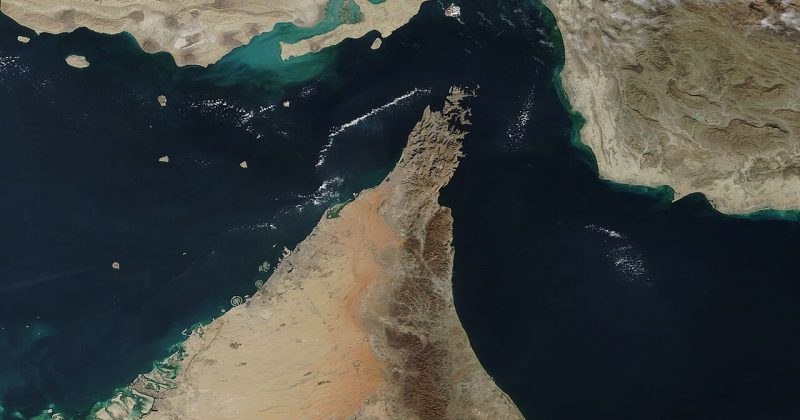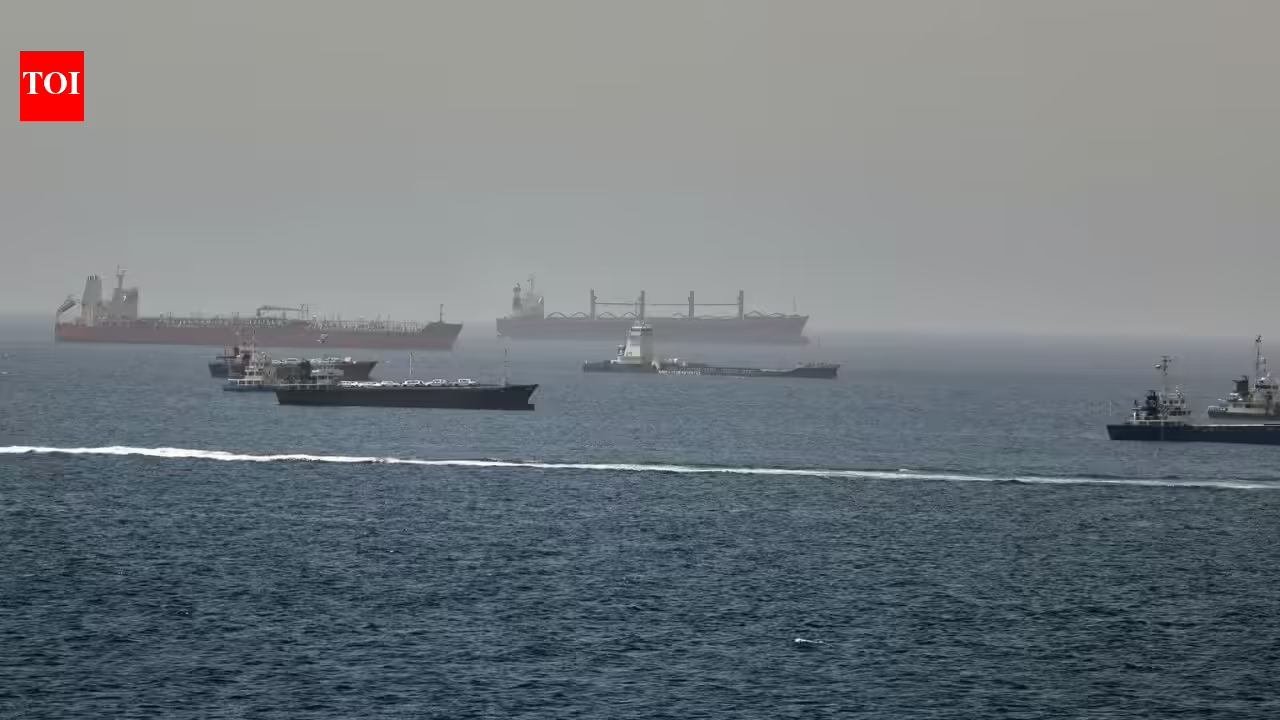
Iran says shipping through the Strait of Hormuz will return to normal once security conditions are met. The word “normal,” though, is doing a lot of heavy lifting in that sentence.
What Iran appears to mean by normalization isn’t a return to the pre-crisis status quo. It’s the rollout of a structured governance system that turns one of the world’s most critical maritime corridors into something closer to a toll road, complete with permits, inspections, and defined routing corridors managed by the Islamic Revolutionary Guard Corps.
The new rules of the strait
The Strait of Hormuz handles roughly a fifth of global oil supply on any given day. Iran has established what it calls the Persian Gulf Strait Authority, or PGSA. The body now requires vessels to secure electronic transit permits before passing through the strait, stick to designated shipping corridors, and submit to inspections. Non-compliance carries strict penalties.
Iran has floated a proposed outbound oil toll of approximately $1 per barrel. For context, that’s a fee applied to every barrel of crude moving through a chokepoint that handles millions of barrels daily.