May 21, 2026 | 11:44 am
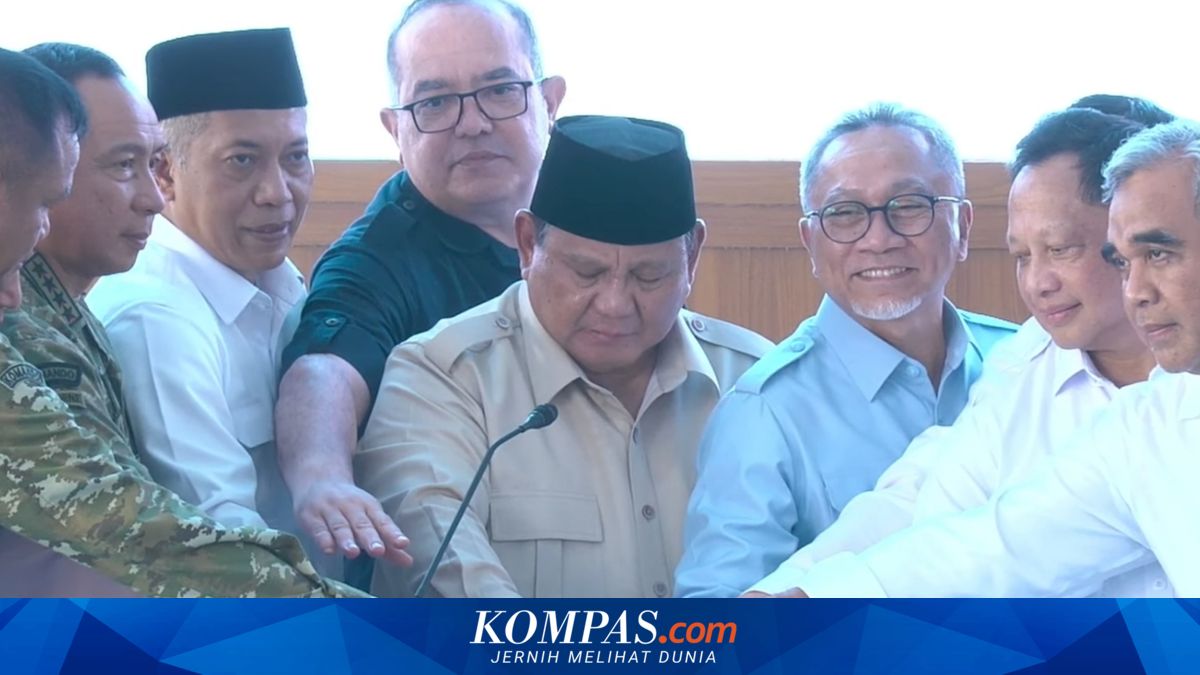
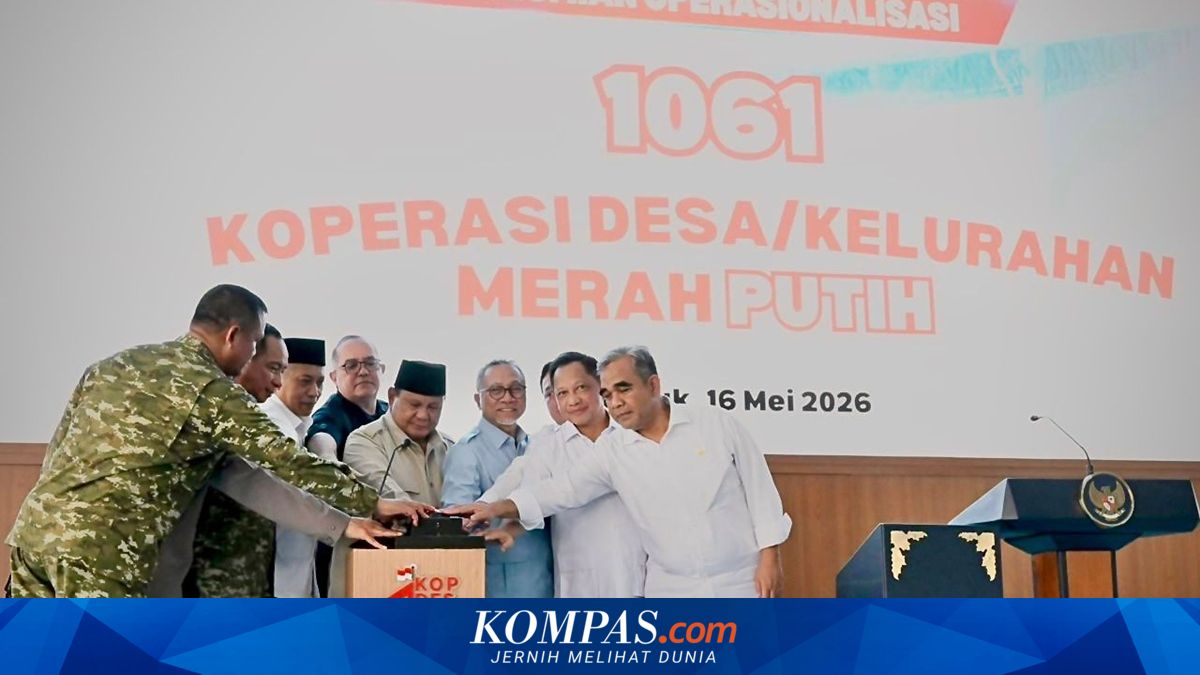
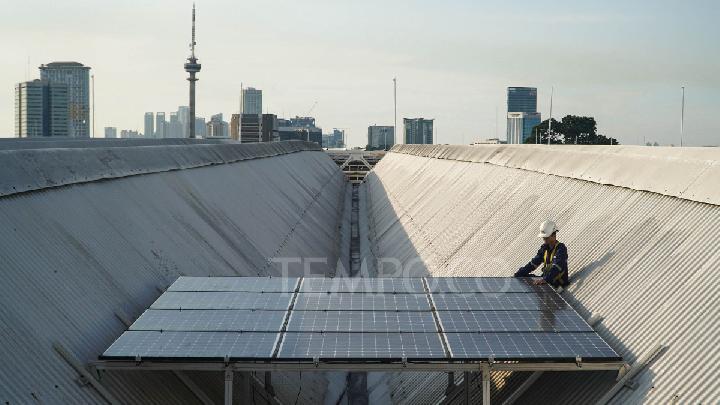
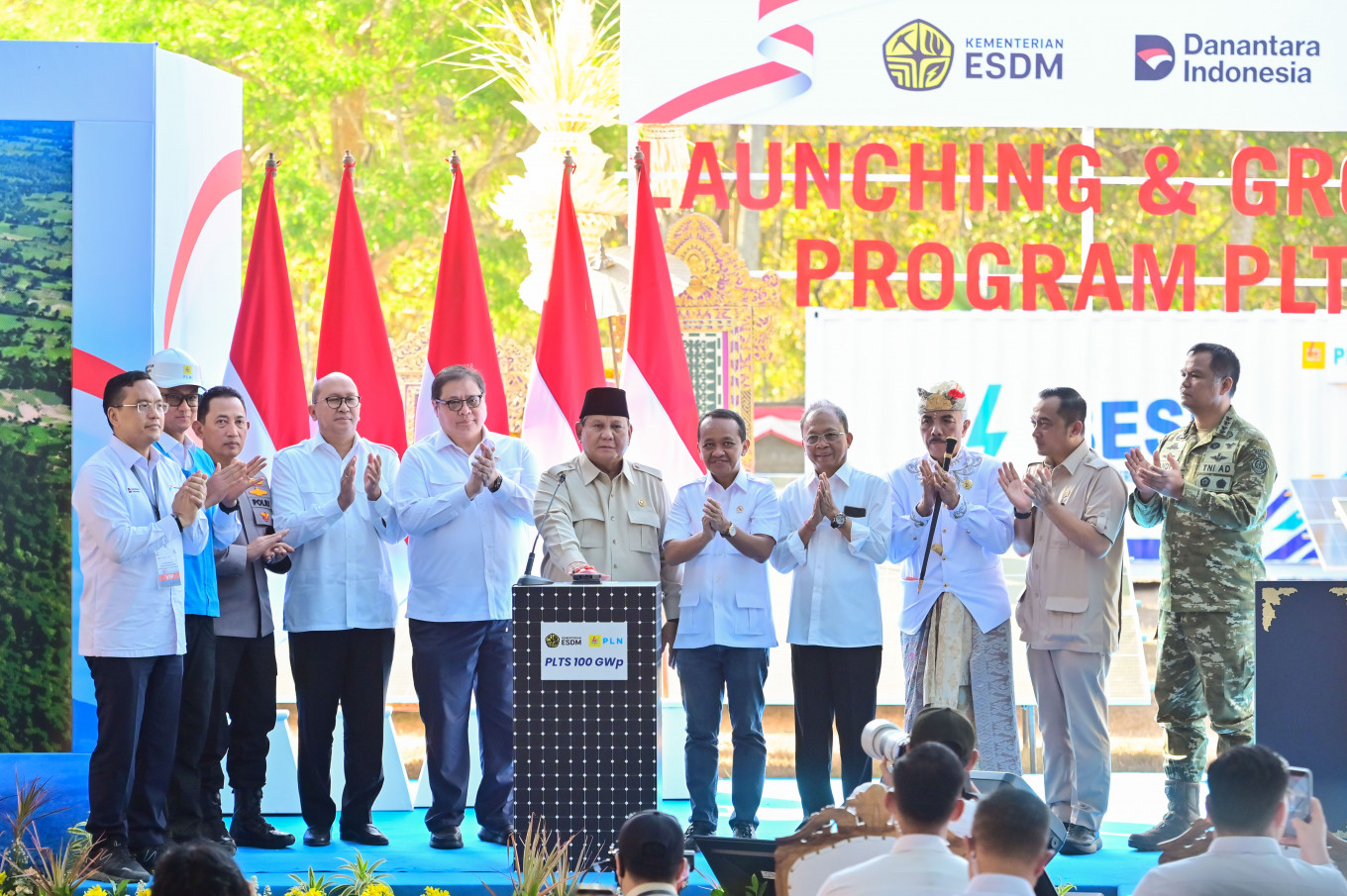
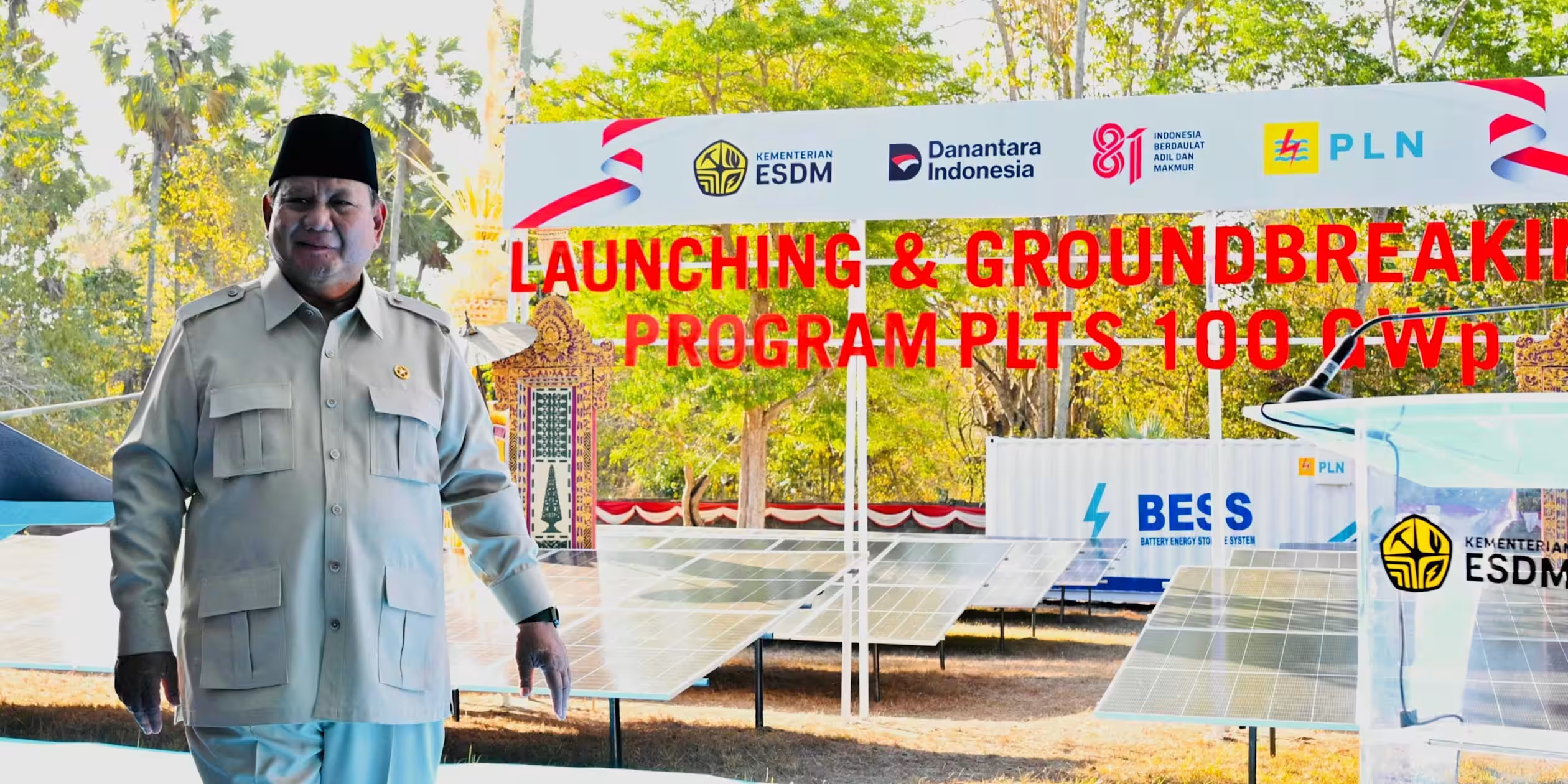
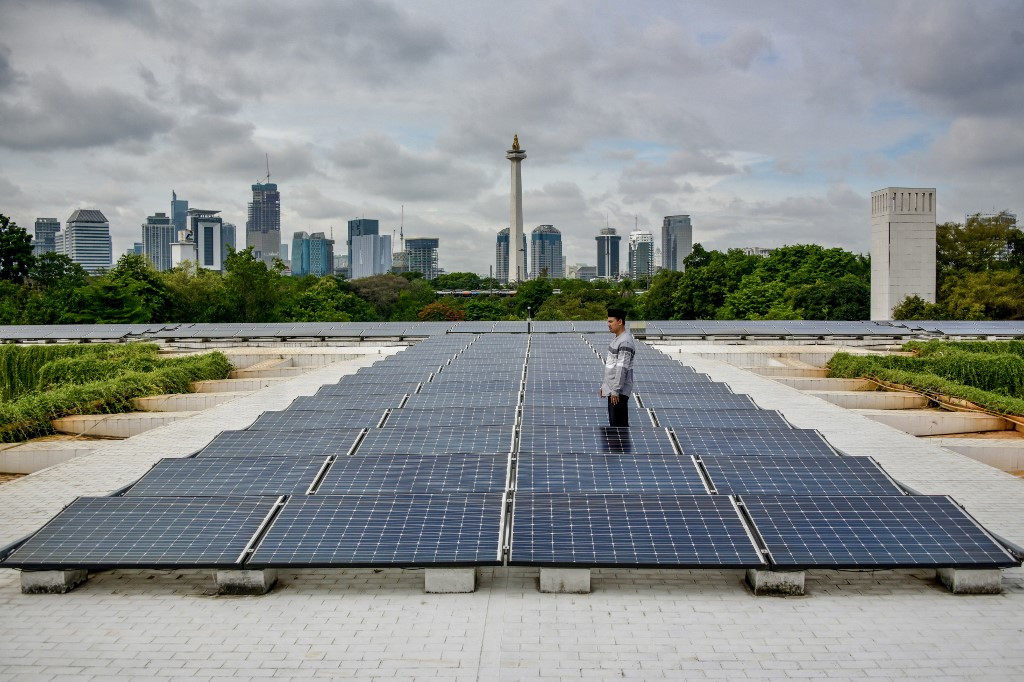
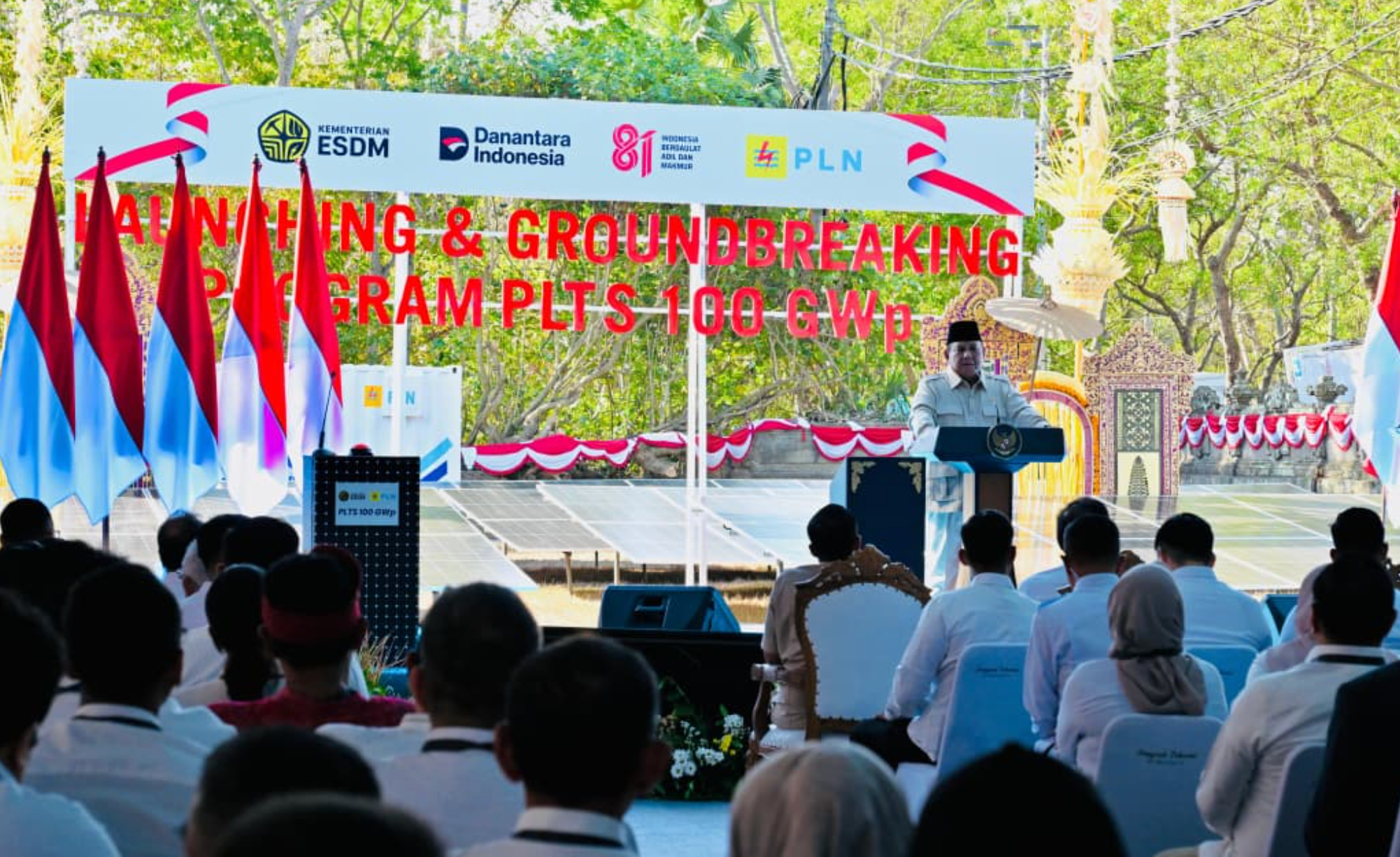
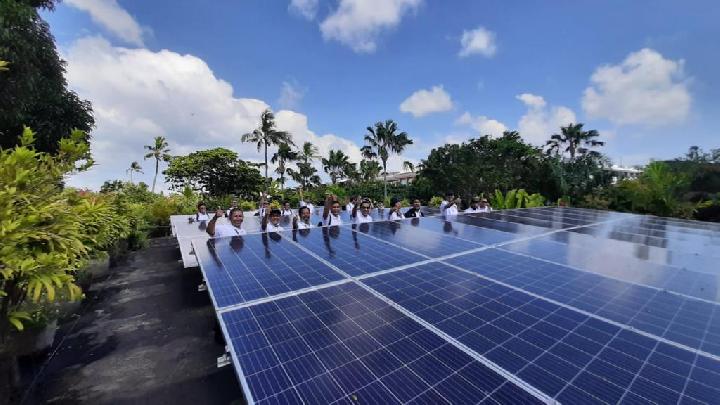
The Red-and-White Village Cooperatives will be involved in the massive solar power plant development project. A risky decision.PRESIDENT Prabowo Subianto’s intent to include the Red-and-White Village Cooperatives in the development of a large-scale solar power plants (PLTS) project could lead to future problems. Aside from the massive capital required, developing solar power projects necessitates sound governance in technical, standardization, and occupational safety aspects.Prabowo plans to speed up work on PLTS with a capacity of 100 gigawatts (GW). His decision is praiseworthy, because it could boost electricity production from renewable energy sources, something that has languished under previous administrations.But there is a concerning issue. Prabowo wants the Red-and-White Village Cooperatives to manage 80 GW of solar power plants. This is unwise. Assigning this task to a cooperative, which is less than one year old and has zero experience in the electricity sector, is an odd decision.A total capacity of 80 GW means that each of the 80,000 village cooperatives that have been officially established will construct a 1-megawatt power plant. Villages with industrial centers or fishing villages, which require electricity for cold storage facilities, will benefit from having access to this relatively large amount of electricity. But what about villages with lower needs for power? Who will absorb the excess supply? It seems that this demand-supply issue was not taken into account early on.There are also matters of supply, including the sale and distribution of electricity to the public, which cannot be done without careful consideration. Law No. 30/2009 on Electricity strictly regulates the sale and distribution of electricity. Any entity selling or distributing electricity to the public must have an electricity supply business license specifying its business area.Engaging the Red-and-White Village Cooperatives to manage solar power plants is more than just a matter of electricity sales and purchase to stimulate the economy. Additionally, there are multiple technical aspects that call for specialized expertise, spanning from routine maintenance, upkeep, and repairs. There are also environmental concerns related to the presence of hazardous components, such as lead and semiconductor materials, that can damage local ecosystems if not properly managed at the end of their lifecycle. The damage to community-based solar power plants in various parts of the country is clear evidence of inadequate planning and management.The government’s big dream of building solar power plants on a massive scale could be a promising way to boost renewable energy capacity. But only if properly assessed and managed. Currently, Indonesia’s solar energy potential, which the Ministry of Energy and Mineral Resources estimates at 3,294 gigawatt-peak (GWp), is very much underutilized, with an installed capacity of only around 1.5 GW.Any large-scale solar power project requires thorough assessments, good governance, and professional management. The government must proportionally select the right agencies or institutions to undertake projects that utilize state funds. Granting preferential treatment to new institutions that use “people economy” as a marketing tool will bring more harm than good.Read the Complete Story in Tempo English Magazine